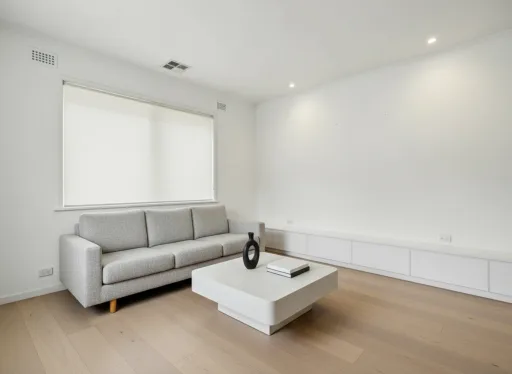
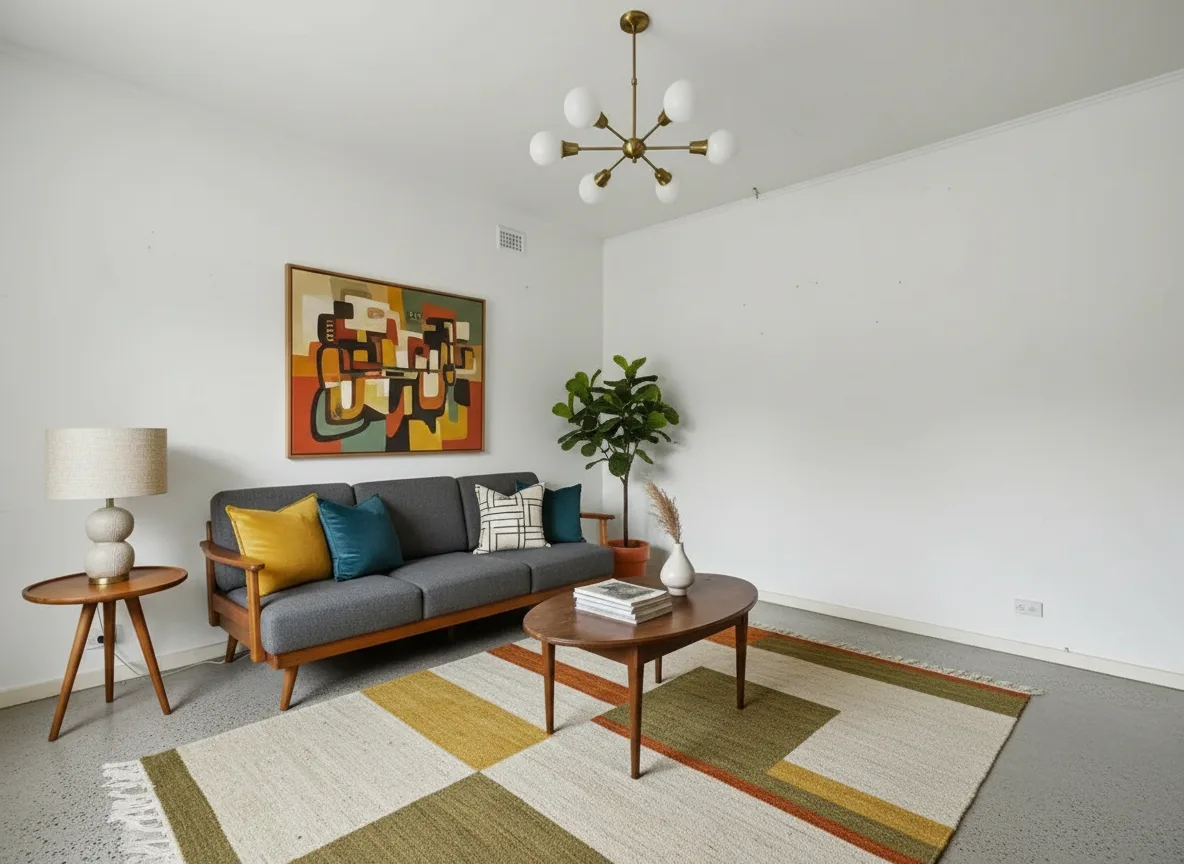
Traditional · Living Room
Traditional Living Room Ideas
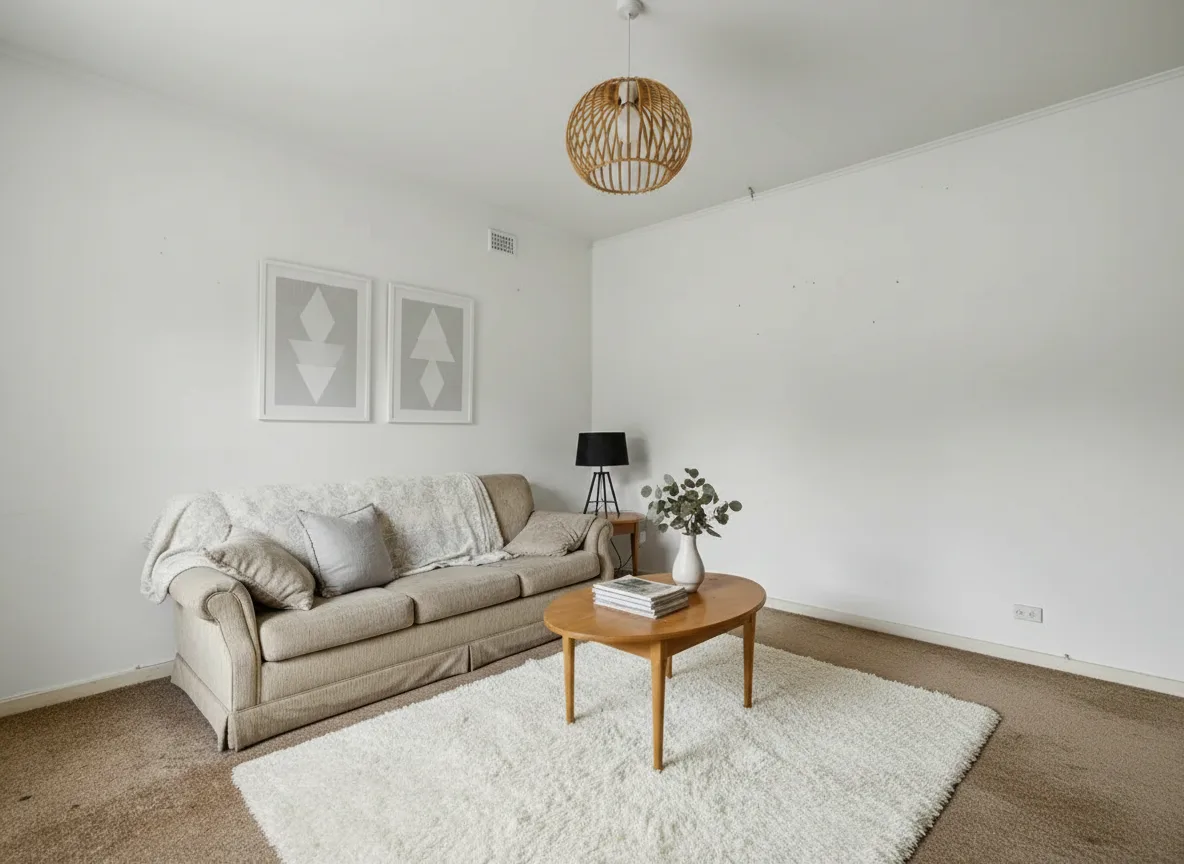
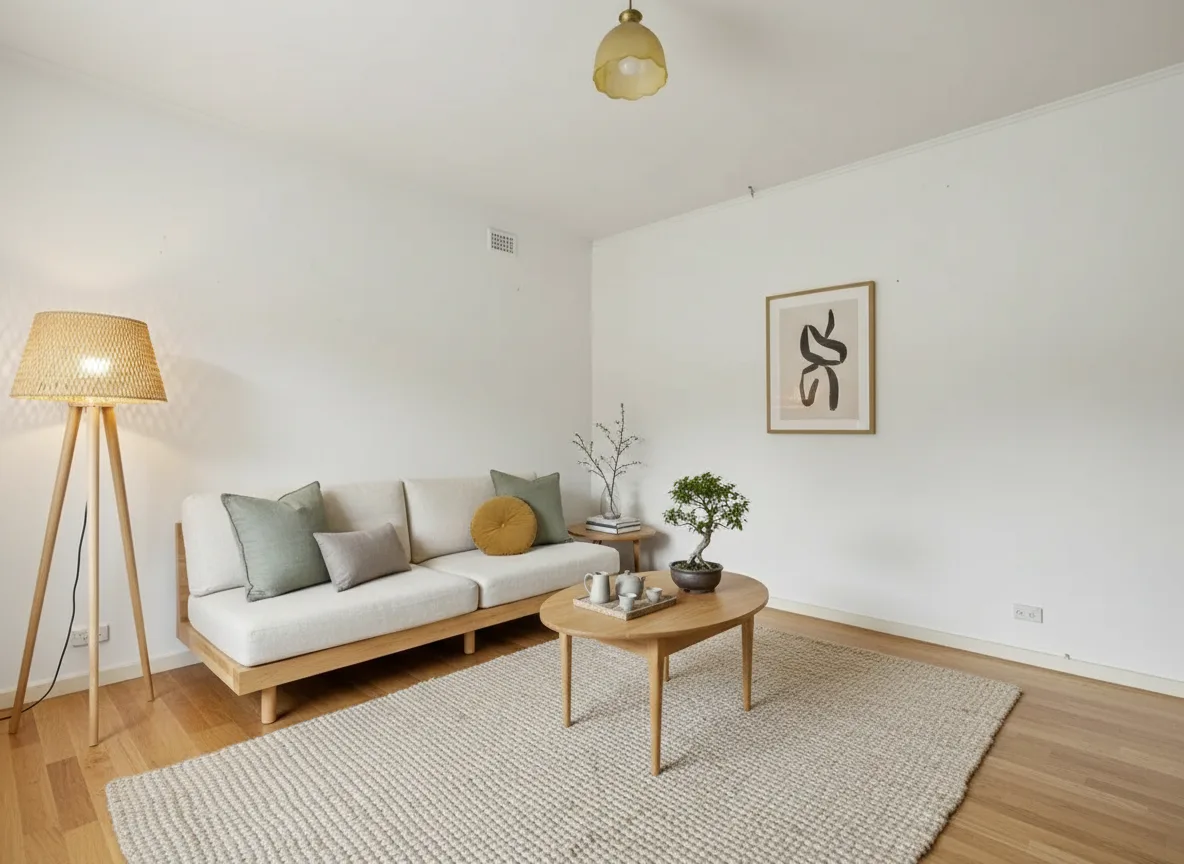
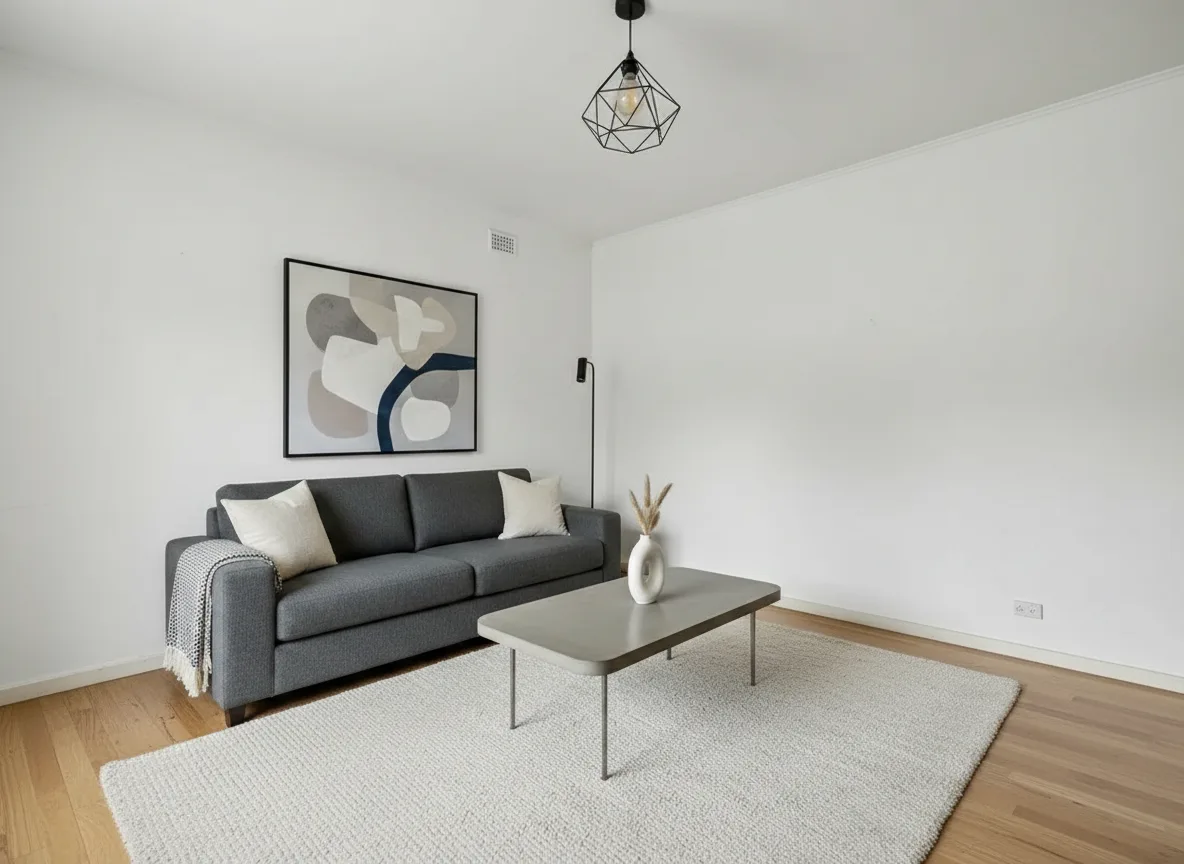
Traditional living rooms feel warm, symmetrical and collected over time. The look leans on rich woods, deep comfortable colors, classic furniture shapes like rolled-arm sofas and wingback chairs, and layered patterns in damask, florals and plaid. Here is what actually defines the style in a living room, and how to see it on your own space before you change a thing.
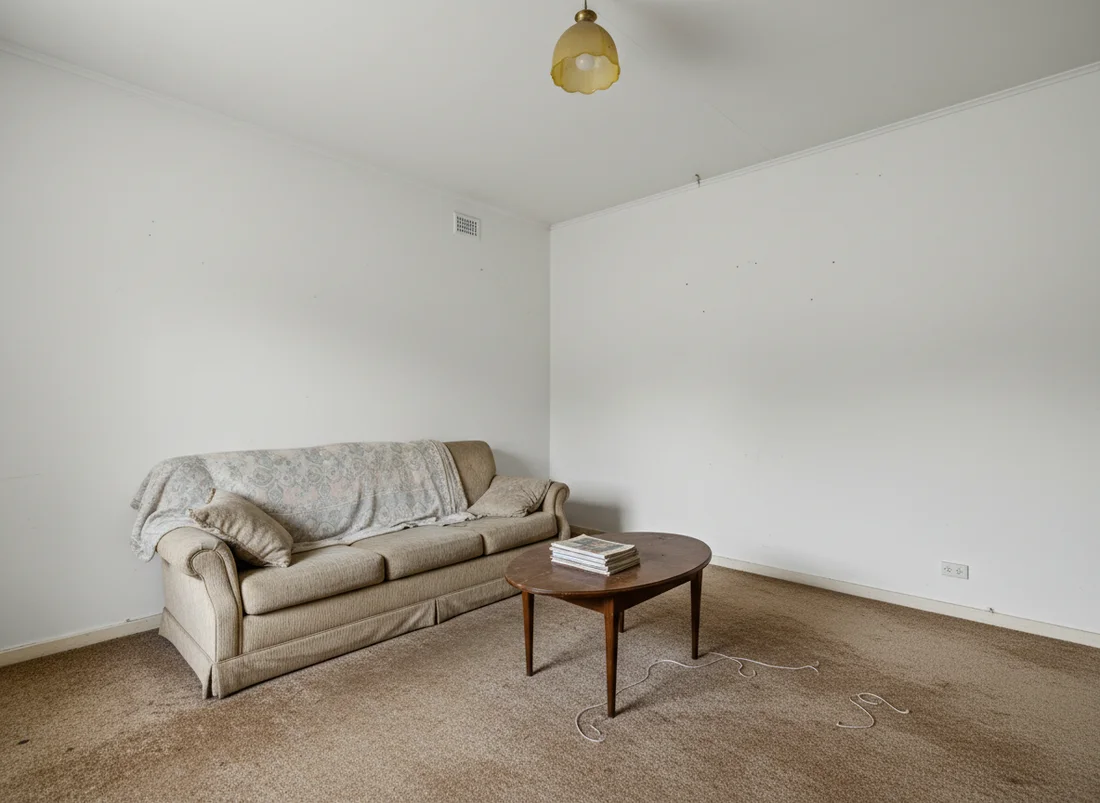 Before
Traditional
Before
Traditional
What makes a living room Traditional
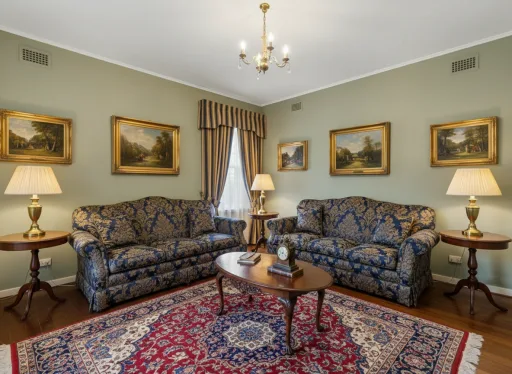
Traditional living rooms are built on symmetry and warmth. The palette runs deep and comfortable, cream and taupe walls, warm woods like cherry and walnut, with accents in burgundy, hunter green or navy. Furniture is the anchor: a rolled-arm or camelback sofa, a wingback chair, turned wood legs, and clawfoot or cabriole shapes rather than straight modern lines. Fabrics carry weight too, so expect damask, chintz florals, plaid and rich solids in velvet or heavier weaves.
The signature move is a balanced, layered room. Pieces are arranged in pairs around a fireplace or a coffee table, so a matching set of table lamps, two flanking armchairs, or symmetrical bookcases read as intentional rather than accidental. Crown molding, wainscoting and a patterned area rug ground the space, and lighting stays warm and soft: table lamps, a chandelier, picture lights over framed art. Nothing feels sparse. Traditional wants the room to look settled, collected over time, and quietly formal.
Traditional versus transitional, and where people go wrong
The closest neighbour is Transitional, and the two get mixed up constantly. Transitional keeps the comfort and the warm wood but strips out most of the ornament: fewer florals, cleaner sofa lines, a calmer neutral palette, and less matched symmetry. If you love the coziness of Traditional but the carved wood and heavy patterns feel like too much, look at a transitional living room as the lighter, more pared-back version of the same idea.
The most common mistake is going matchy to the point of stiffness. A full suite of identical wood furniture, curtains that match the sofa that match the rug, and the room stops feeling collected and starts feeling like a showroom. The fix is to vary wood tones, mix one bold pattern with quieter solids, and let a single antique or a stack of books break the perfection. In a small or awkward living room, keep the symmetry but scale it down: one pair of lamps, a single patterned rug, molding painted the wall color so it adds depth without shrinking the space.
How to get the Traditional look in your living room
- Warm up the walls and woodwork. Cream, taupe or soft sage walls with white or wood trim set the settled, formal base Traditional depends on.
- Anchor with a classic sofa shape. A rolled-arm, camelback or wingback piece with turned or cabriole legs does more for the look than any accessory.
- Arrange in pairs. Two matching lamps, flanking armchairs or symmetrical shelves around the fireplace give the room its balanced, intentional feel.
- Layer pattern and warm light. Mix one damask or floral with solid velvets and plaids, then light it with table lamps and a soft chandelier, never harsh overheads.
- See it on your real room first. Upload a photo to restylai and apply Traditional to your actual living room, so you can judge the palette and furniture against your own walls and windows before you buy a thing.
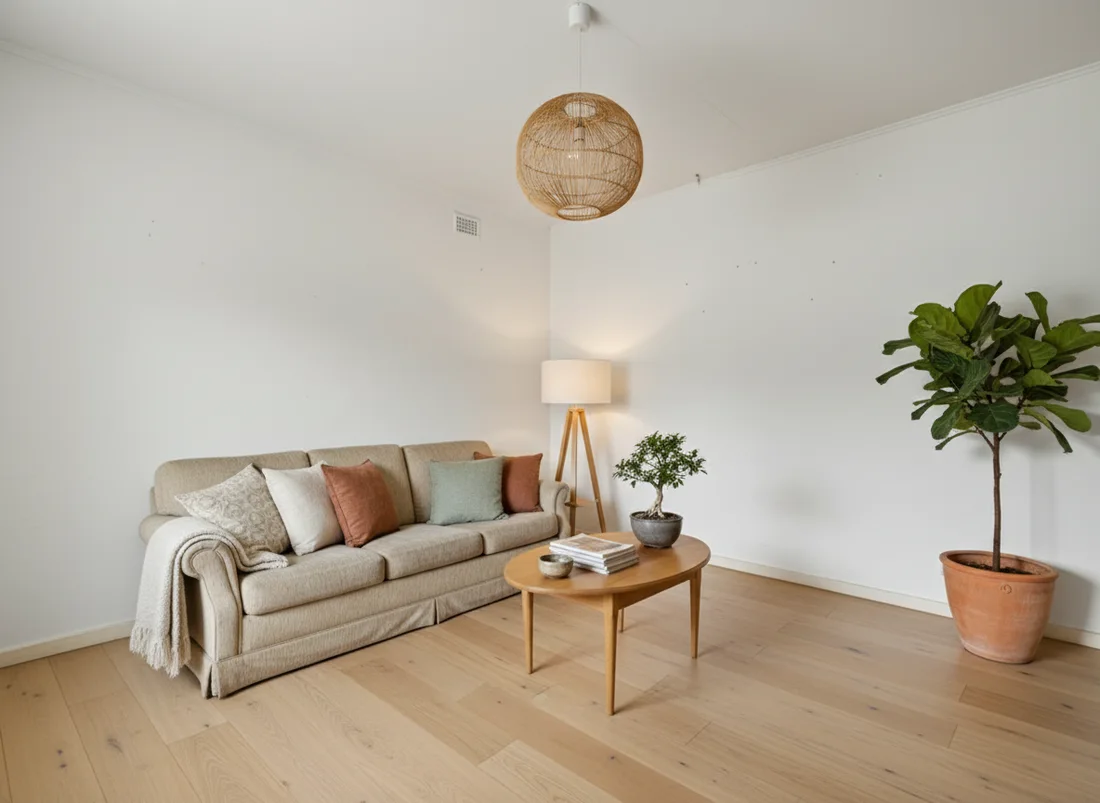 After
Before
After
Before
See it on your own room
See your living room in Traditional, free
Upload one photo and watch your real living room in Traditional. Your walls, windows and layout stay exactly as they are.
Try it free, no signupOne photo. In seconds. No signup.