restylai blog
Interior Designer Cost in 2026: Room, Country and AI Guide
Updated July 19, 2026 · by the restylai team
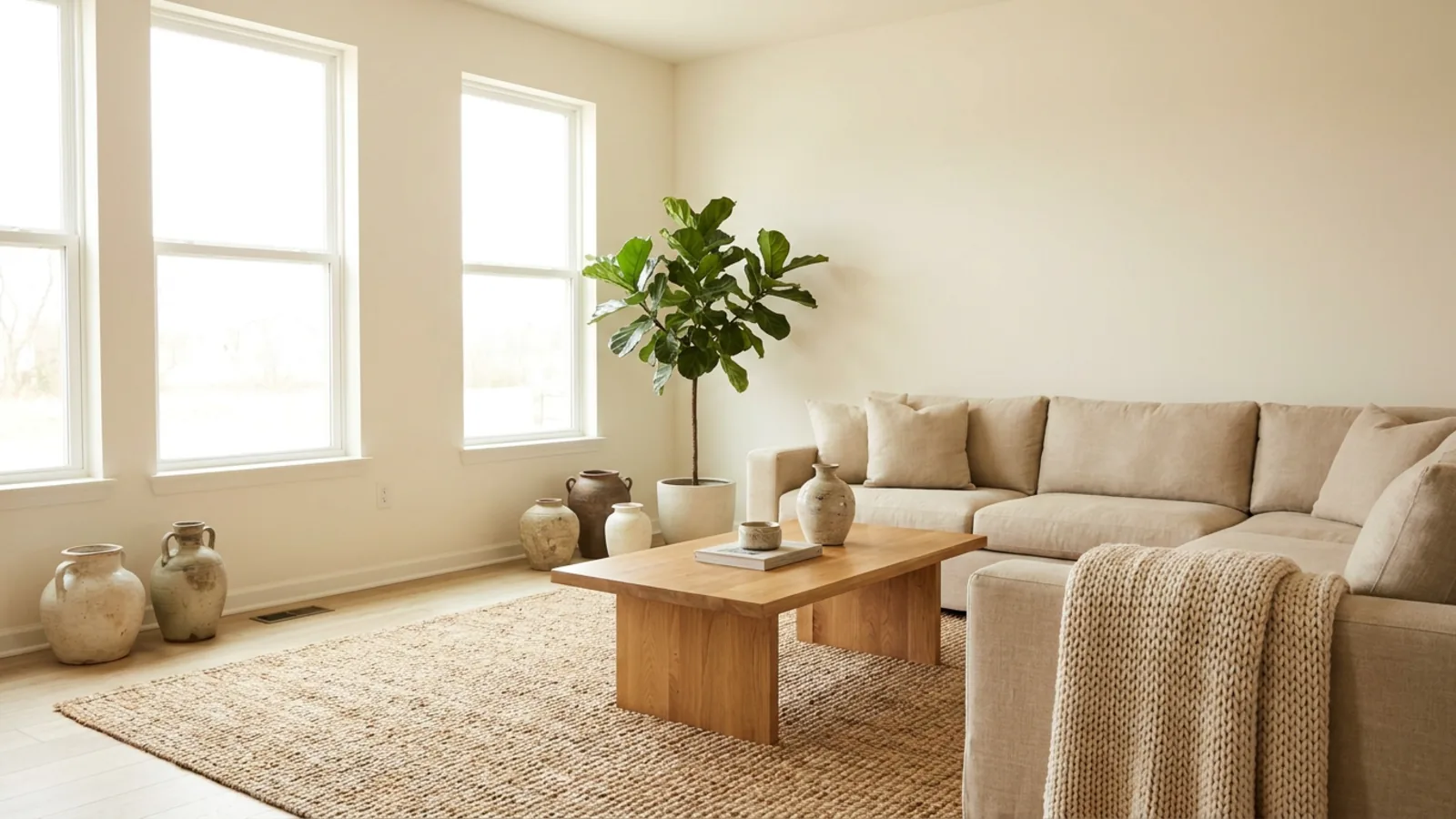
How much does an interior designer cost in 2026?
In 2026, an interior designer typically charges one of four ways: hourly at roughly $100 to $500 an hour, a flat fee per room of about $1,000 to $7,800 with furnishings ($450 to $1,500 for design only), around $5 to $17 per square foot on larger projects, or a percentage of the total budget, commonly 10% to 30%. One thing surprises almost everyone: the fee rarely includes the furniture, which usually costs several times the design fee on top.
Those are US figures, and pricing shifts by country and city. The rest of this guide breaks down what designers cost per room, how the numbers change across the US, UK, Canada and Australia, what the fee actually buys you, and a cheaper route where you design the room yourself and see it before spending a cent.
The four ways interior designers charge
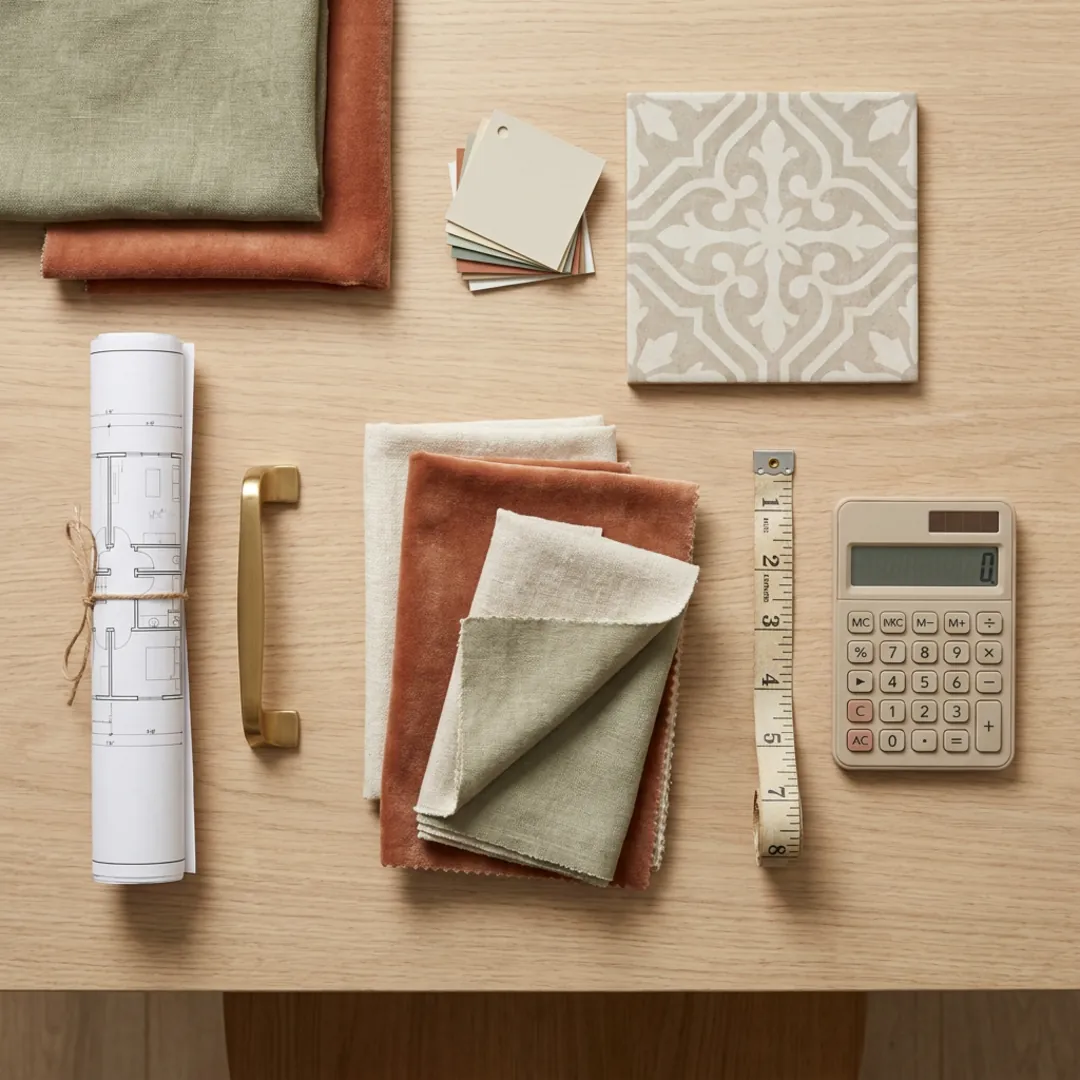
If you have a quote in hand, it will follow one of these models. Knowing which one it is makes it far easier to judge whether it is fair.
- Hourly. Best for small or advisory jobs, a single consultation, or a second opinion. Predictable per hour, but the meter can run on a larger scope.
- Flat or fixed fee. A set price per room or per project. The most common approach for residential rooms because it is predictable, and the one most people mean when they ask what a designer costs.
- Per square foot. Used on larger homes and new builds, where floor area is a fair proxy for the work involved.
- Percentage of budget or cost-plus. Common on full-service and renovation work, usually 10% to 30% of the total, or a markup on furnishings the designer sources. Worth knowing this model can create an incentive to specify pricier items, since the fee scales with spend.
There is also a middle tier worth knowing about: online or flat-rate design services, roughly $159 to $2,099 per room, that trade the in-person site visit for a questionnaire and mood boards delivered remotely. If you like that idea but want to move even faster and cheaper, dedicated interior design software and AI tools cover the visualisation step directly.
| Model | Typical basis | Best suited to | Watch-outs |
|---|---|---|---|
| Hourly | $100 to $500/hr (US) | Small jobs, advice, consultations | Open-ended on scope |
| Flat fee | $450 to $7,800 per room | Single residential rooms | Confirm revisions included |
| Per square foot | $5 to $17/sq ft (US) | Large homes, new builds | Furnishings usually separate |
| Percentage / cost-plus | 10% to 30% of budget | Full-service, renovations | Fee scales with spend |
Interior designer cost per room
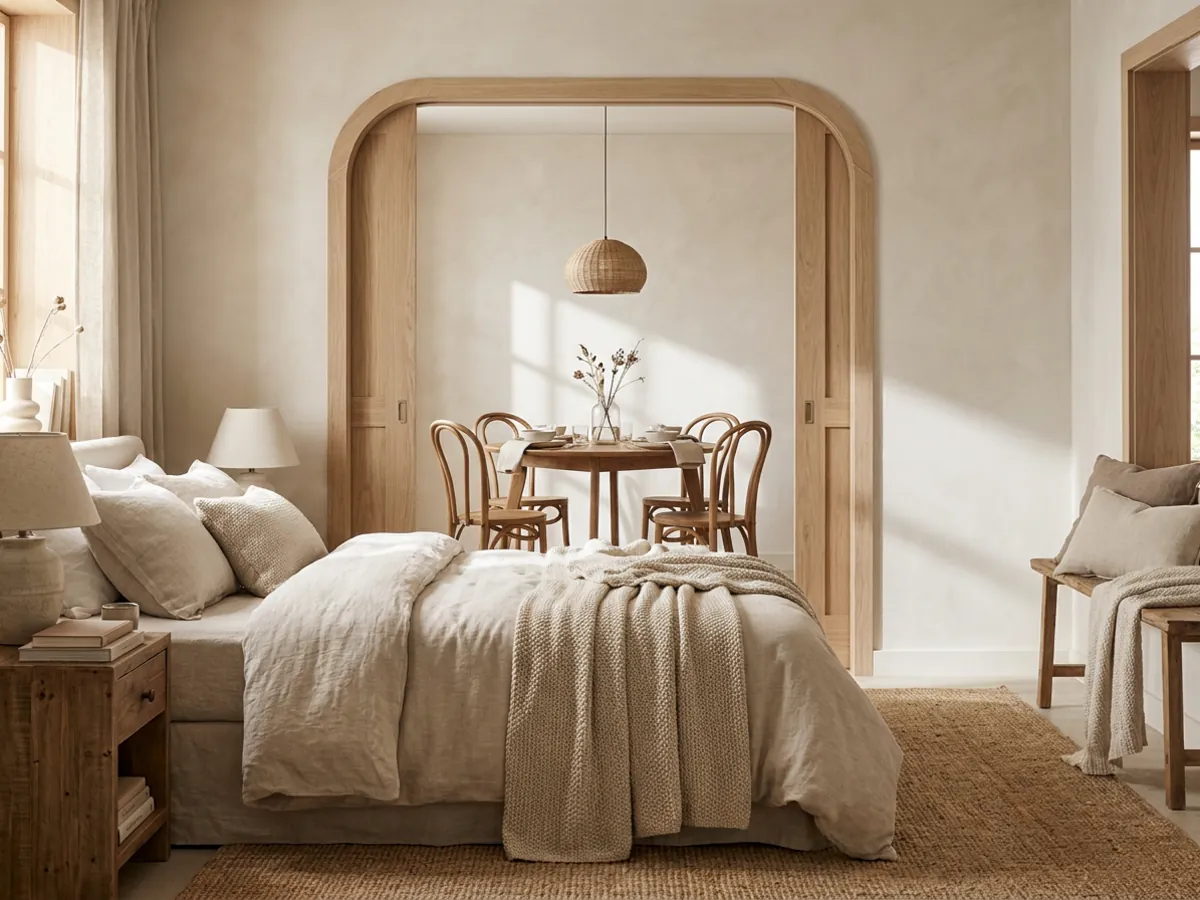
Per-room pricing is what most people actually want, so here is the US market room by room, split into the design fee and the typical fee once furnishings are included. Treat every figure as a range, not a quote.
| Room | Design only (USD) | With furnishings (USD) |
|---|---|---|
| Living room | $1,500 to $3,000 | $2,500 to $5,000+ |
| Primary bedroom | $600 to $1,200 | $1,000 to $2,000+ |
| Kitchen | Highest, often $2,000 to $5,000+ | Highest, driven by cabinetry and appliances |
| Bathroom | Mid, plumbing and waterproofing add cost | Mid to high |
| Dining room | $500 to $1,500 | $1,000 to $3,000 |
| Home office | $500 to $1,200 | $1,000 to $2,500 |
Kitchens and bathrooms cost the most for a simple reason: they involve fixed services and technical coordination that a bedroom does not. Cabinetry, appliances, plumbing, and waterproofing all have to be specified and sequenced, so the design work is heavier and the stakes of a mistake are higher. That is also why an AI kitchen design preview is so useful before you commit, and why a bedroom redesign is usually the cheapest room to change your mind about.
The number that catches people out is the furnishings multiplier. The furniture, lighting, textiles, and art are billed separately and commonly run several times the design fee, roughly two to four times for decorative rooms and higher for kitchens and baths. When you compare quotes, always separate the design fee from the furnishings budget, or you will compare two different things.
Interior designer cost by country: US, UK, Canada and Australia
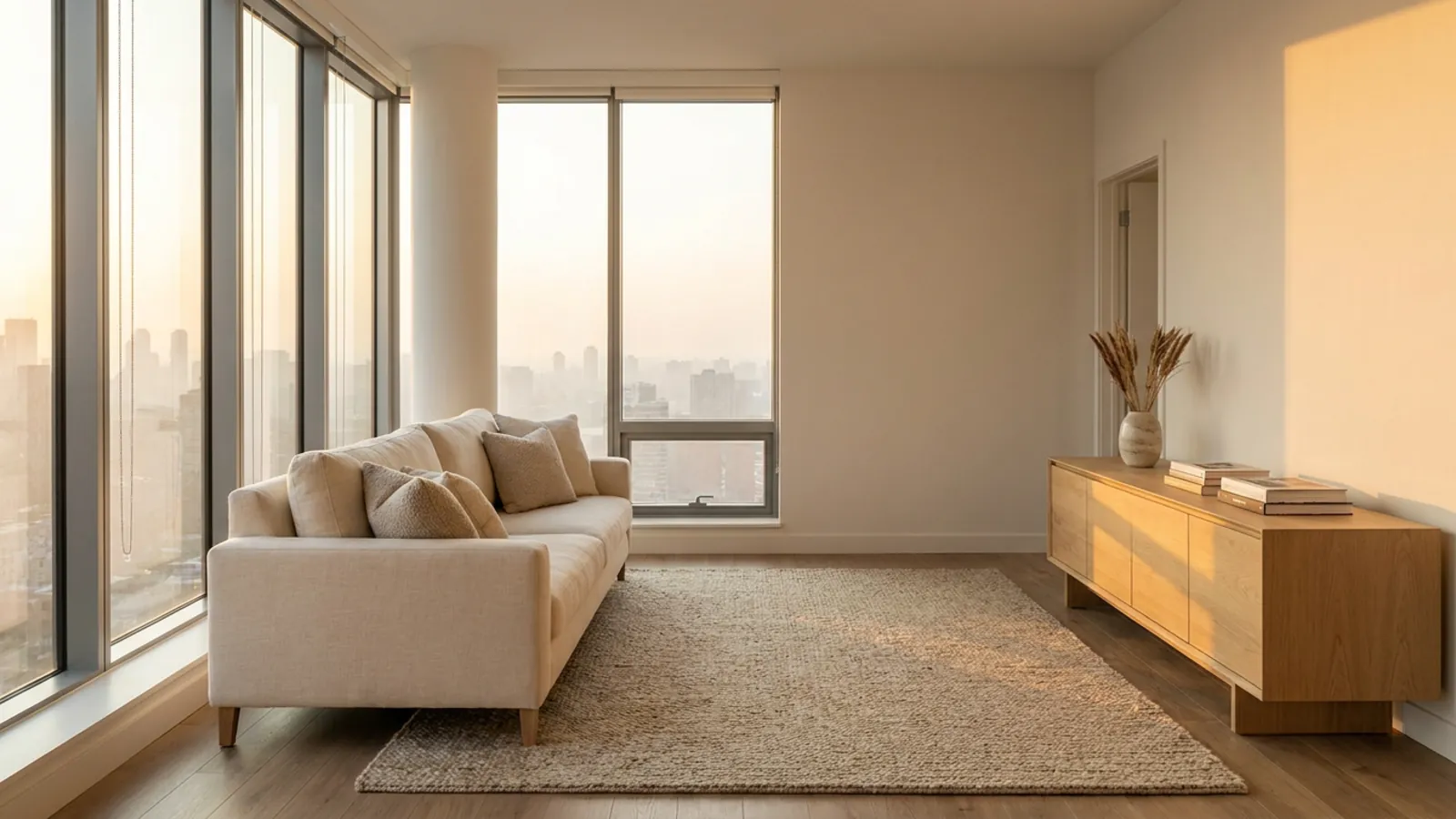
Most guides only cover one market. Here are all four, each in its own currency so there is no guessing. Regional labour, property values, and how much furnishing is bundled into the fee drive most of the spread, and capital cities sit at the top of every range.
United States (USD)
- Hourly: $100 to $500
- Per room, design only: $450 to $1,500
- Per room, with furnishings: $1,000 to $7,800
- Per square foot: $5 to $17
United Kingdom (GBP)
- Per room, design: £500 to £3,000, higher with furnishings
- Hourly: £150 to £250+ outside London
- Whole home: £15,000 to £40,000
- London typically runs 30% to 50% above the national average
Canada (CAD)
- Hourly: $50 to $200
- Per room, design only: $450 to $1,500
- Per room, with furnishings: $1,000 to $12,000
- Percentage of project: 10% to 20%, major metros such as Vancouver sit well above the national range
Australia (AUD)
- Hourly: around $200, Sydney nearer $275 and Melbourne nearer $210
- Single-room design fee: $3,000 to $8,000
- Single room, all-in with furniture: $8,000 to $25,000
- Whole home: around $120,000
Compared across the four, the US and Canada sit closest on hourly and per-room design fees, with Canada a little lower at the entry end. The UK reads higher once furnishings are bundled, and London distorts the national picture more than any other single city. Australia carries the highest all-in single-room figures of the four, largely because quotes there more often fold the furniture into the headline number. The practical takeaway is not the exact figure but the pattern: wherever you are, the design fee is the smaller part and the furnishings are the larger, and a capital city adds a premium on top. That is the same reason the cheapest way to de-risk any of these projects is to see the finished room before the furnishing spend begins.
What interior designer fees actually include, and what they do not
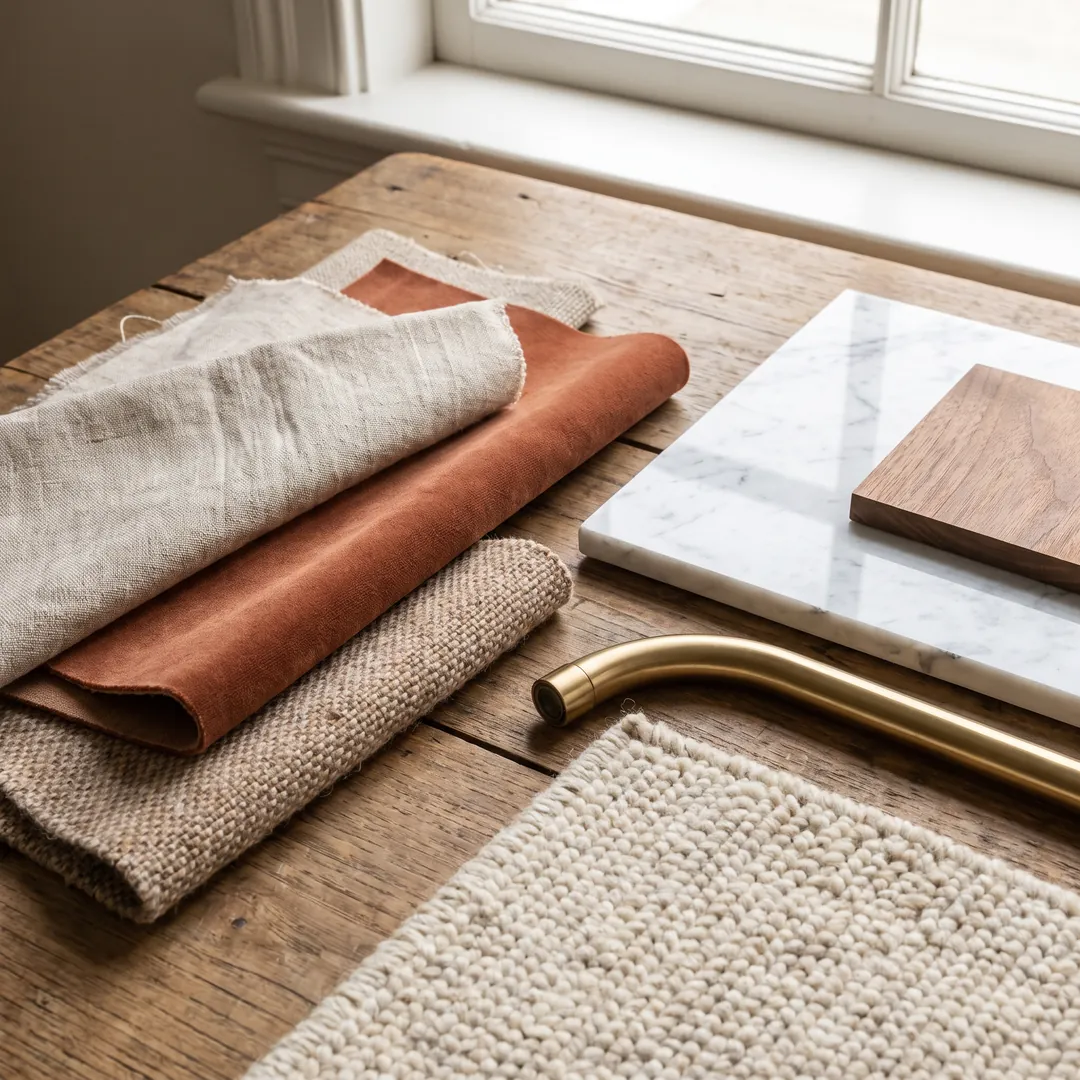
The price makes far more sense once you know what is inside the fee and what sits on top of it. What the fee usually covers: an initial consultation, concept and mood boards, space planning, sourcing and specification, drawings, and often coordination with the trades who do the work.
What sits on top and surprises people: the furniture and finishes themselves, any trade or contractor markups, delivery and installation, revisions beyond the agreed number, and travel or site visits. One thing genuinely works in the fee's favour, though. Designers can reach to-the-trade pricing on furniture and finishes that the public cannot, and on a furniture-heavy project that discount offsets part of what they charge, which is exactly why "is it cheaper to use a designer" does not have a single answer.
How much should you budget for an interior designer by project size
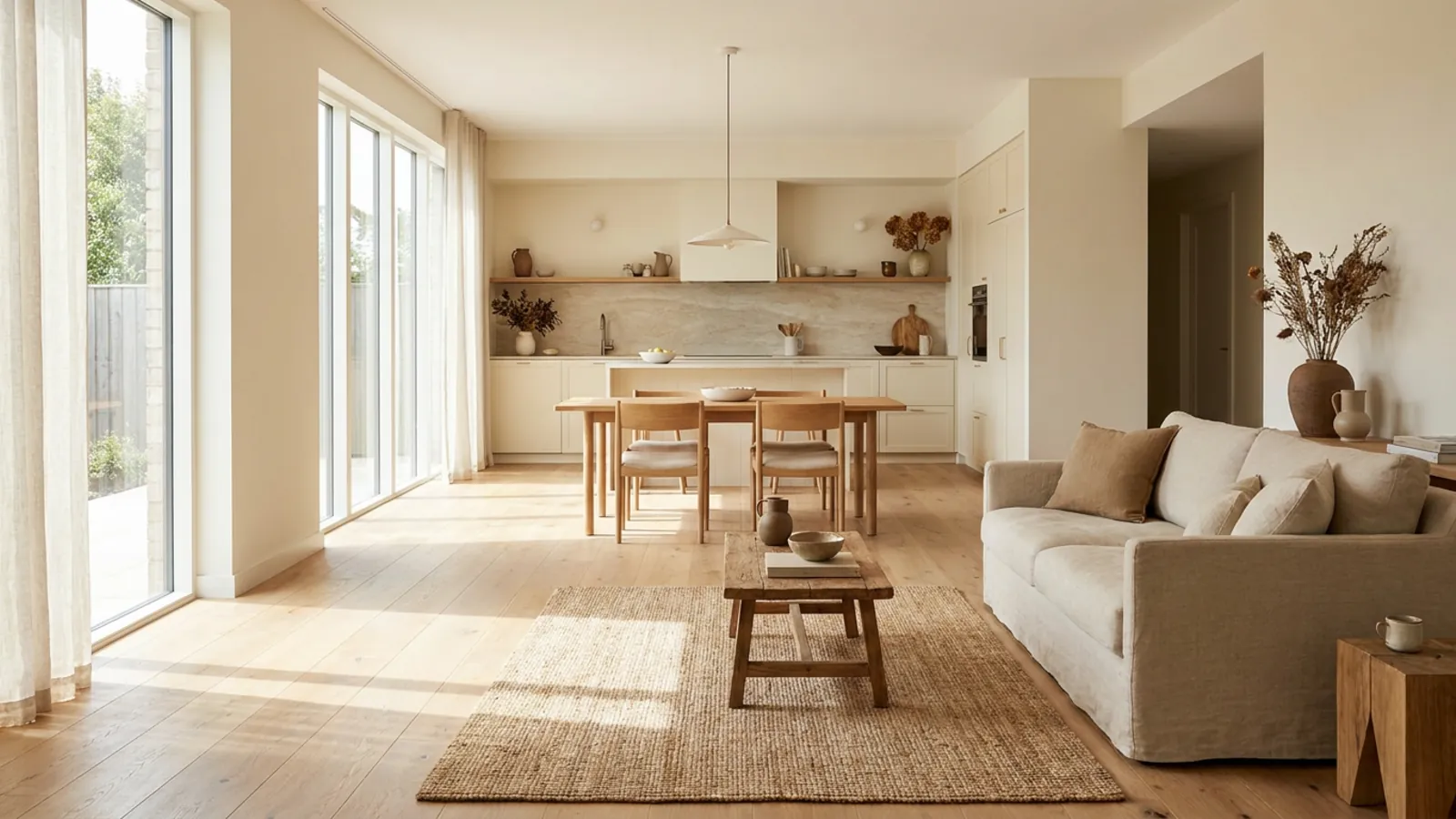
Budget by scope rather than by the hour, and always separate the design fee from the total spend so you never conflate the two.
- Single-room refresh. A light update, new textiles, paint, a few pieces. The design fee is modest and the furnishings are the larger line.
- Single-room full design. A complete room, low four figures for the design fee in the US, with furnishings commonly several times that.
- Multi-room. Several rooms designed together, often at a blended or package rate, with the furnishings budget scaling with the number of rooms.
- Whole home. Frequently quoted as a percentage of the total project, which is why the headline numbers reach into the tens of thousands and beyond.
A simple rule of thumb: the design fee is usually a fraction of the total, and the furnishings are the bigger number. Decide roughly what you are willing to spend on furniture first, and the design fee becomes much easier to judge in proportion.
Is it worth paying for an interior designer?
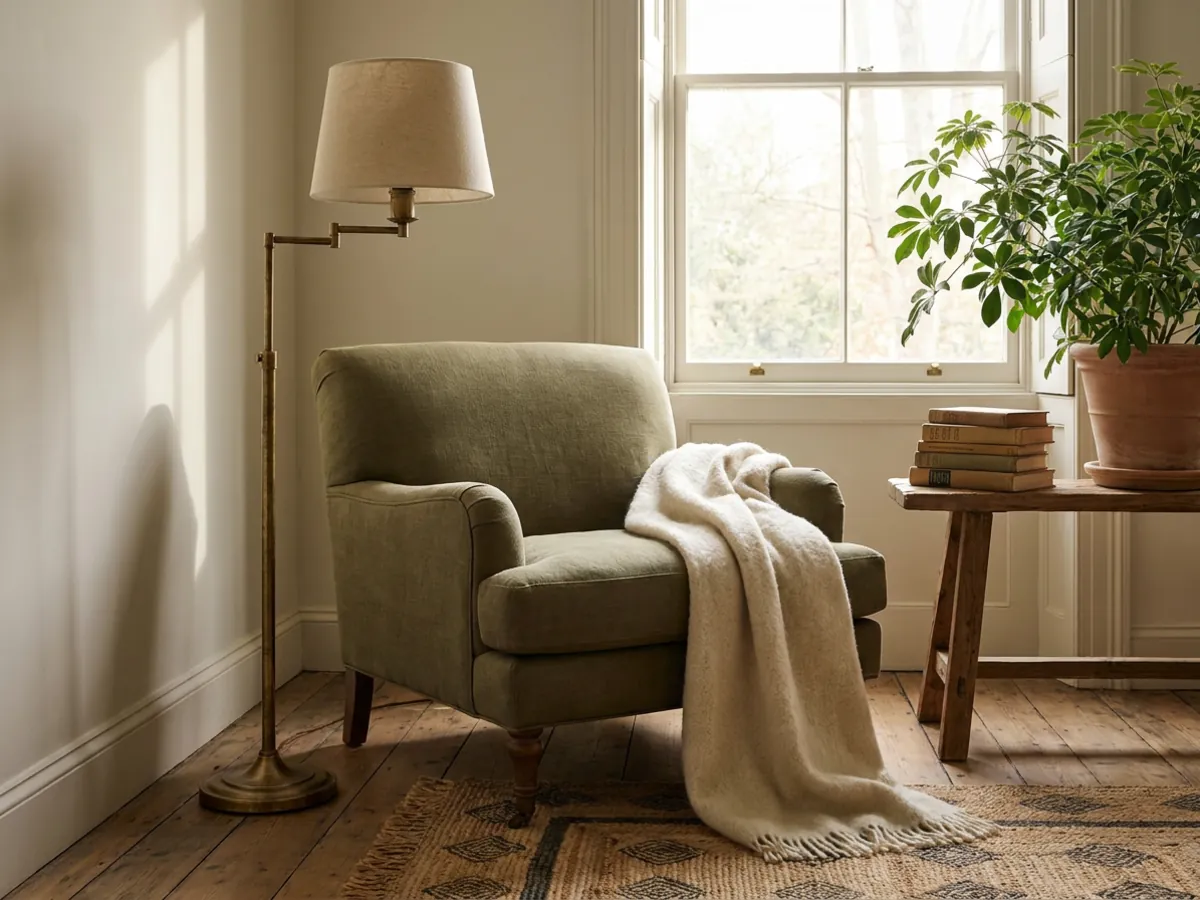
Honestly, both answers are true depending on the job. A designer clearly earns the fee on complex renovations, layout or structural changes, tight timelines, and rooms that have resisted every attempt you have made. In those cases the trade access, technical judgement, and coordination genuinely offset what they charge, and the result is worth more than the sum of the parts.
The fee is harder to justify for a single decorative refresh, when you already have a clear vision, or on a modest budget where the design fee would eat into the furniture you actually want. And there is a common case that sits underneath a lot of these searches: sometimes the real need is not a full project at all, it is simply to see the room a different way before spending money. That is the one job you no longer need to pay a professional for, which brings us to the honest comparison.
DIY vs hiring a designer vs AI interior design, an honest comparison
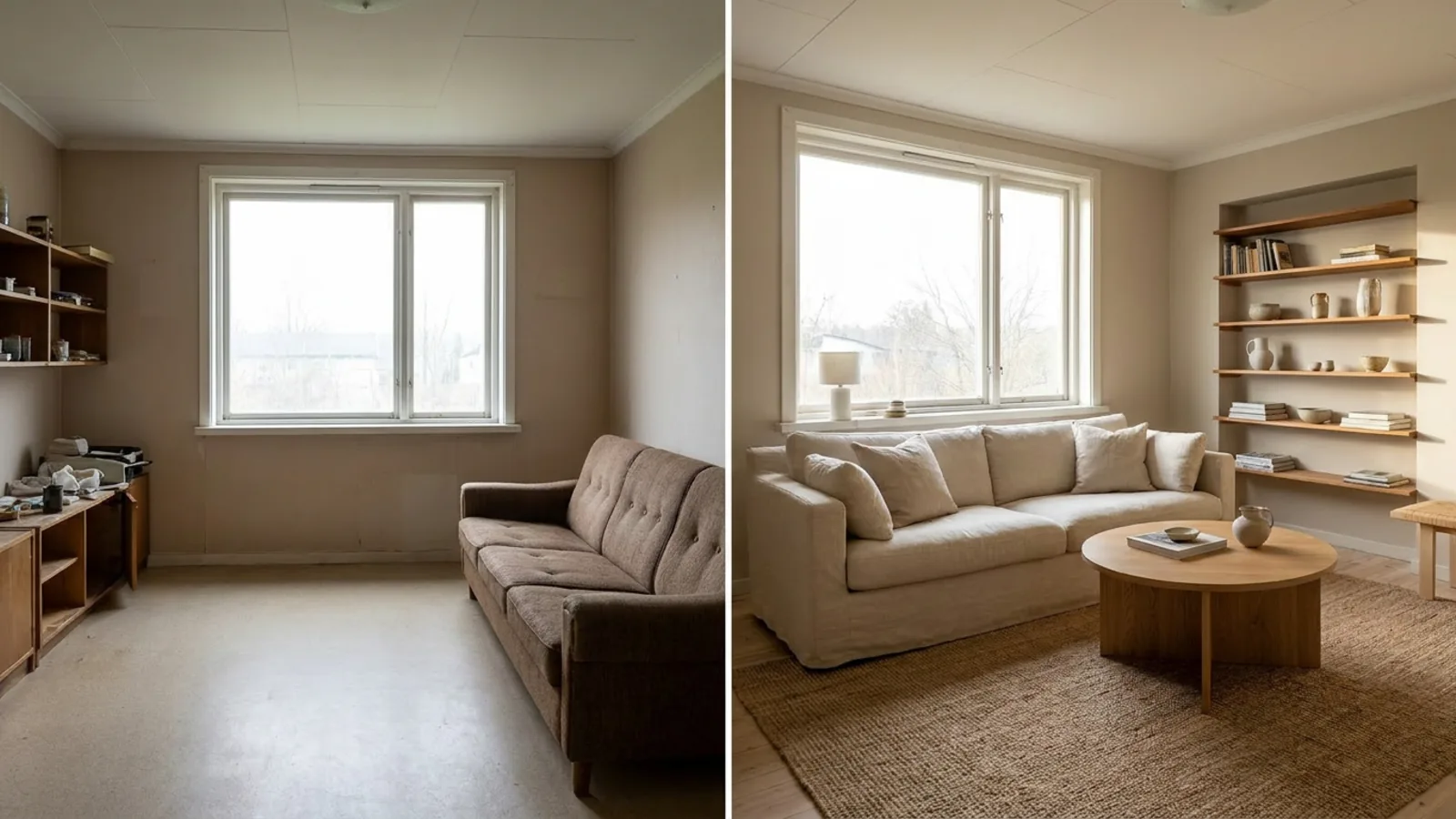
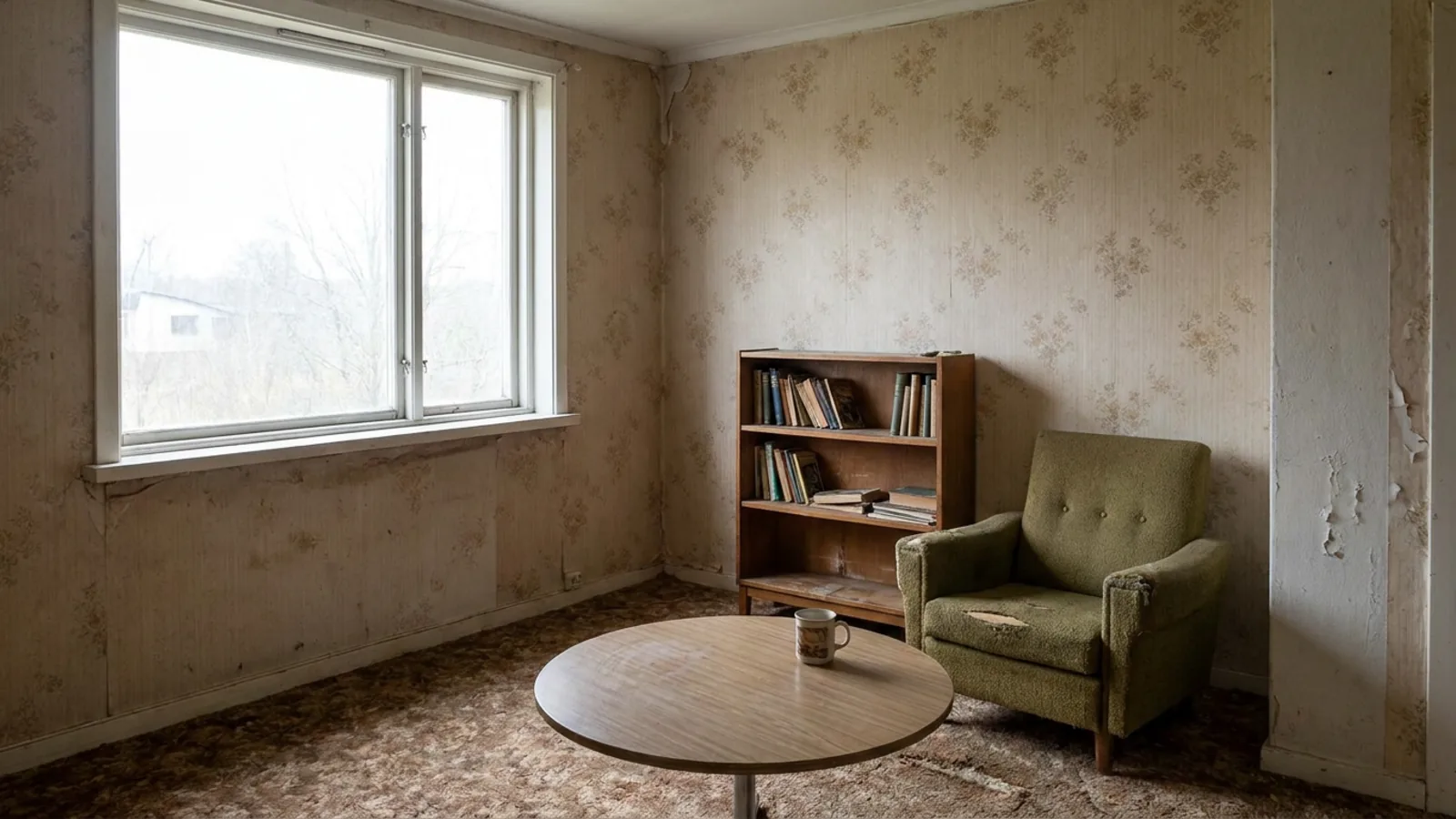 Before
AI redesign
Before
AI redesign
Three routes, compared fairly. The point is not that one wins, it is that they answer different questions and cost very different amounts.
| Hire a designer | DIY unaided | AI-assisted DIY | |
|---|---|---|---|
| Typical cost | Hundreds to thousands in fees, plus furnishings | Just what you buy | Low subscription, plus what you buy |
| Timeline | Weeks to months | As long as it takes you | Minutes to see options |
| Control | Shared with the designer | Total | Total, with guidance |
| Expertise | High, trained and experienced | Yours | Model-driven visualisation |
| Revisions | Limited, often billed | Unlimited, but slow | Fast and unlimited |
| Best for | Renovations, structural work, trade coordination | Confident, patient decorators | Seeing and deciding before you buy |
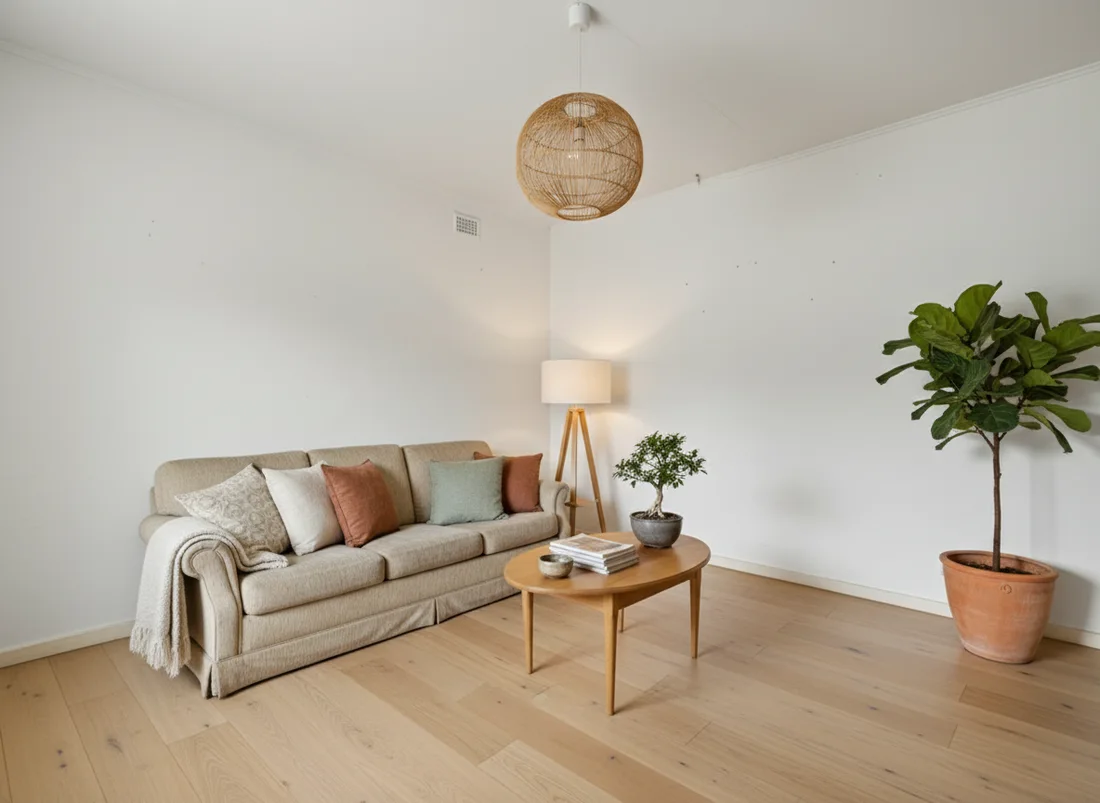
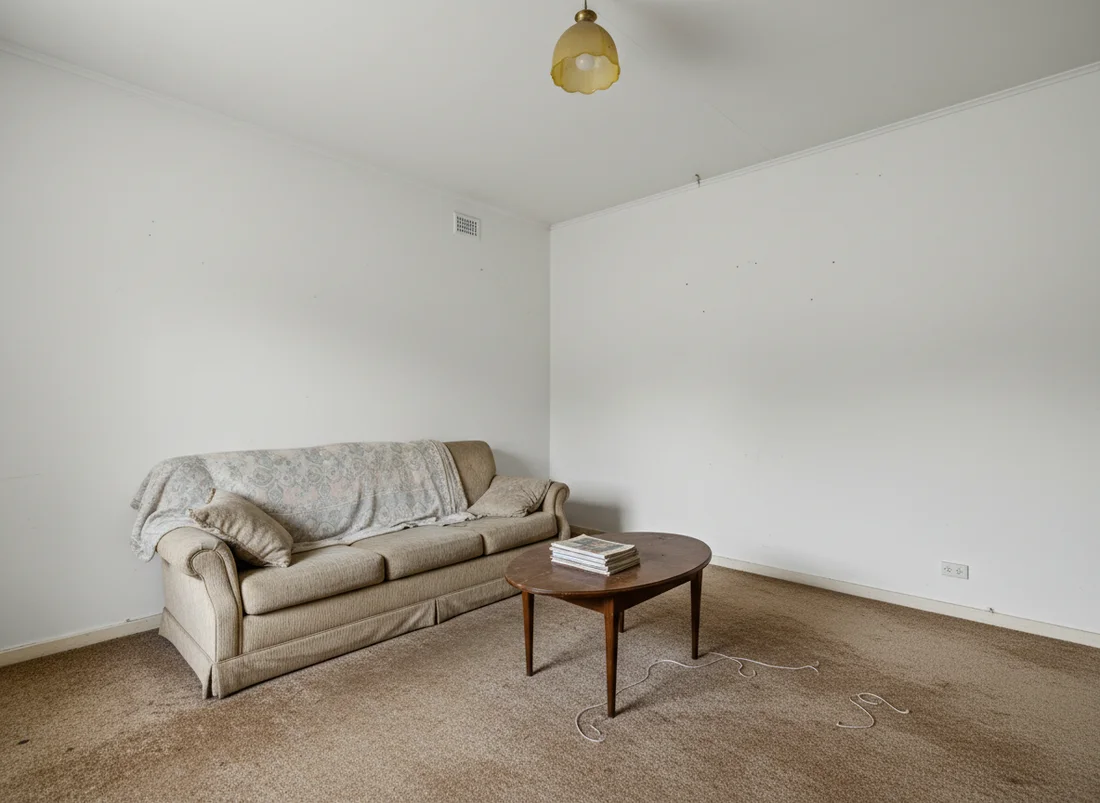
Be fair to the designer column: a human is genuinely better at structural decisions, trade coordination, and taste calls made under real constraints. What AI does is remove the guesswork from the visualisation and iteration part, the bit where you are trying to picture a look before committing to it. You can upload a photo of your real room and restyle it in any look in about a minute, and the first render is free, so you can redesign a room from a photo and rule options out before anyone buys anything. It is not a replacement for a renovation professional; it is the cheap, fast layer that used to be the most expensive part of the process.
How to design a room yourself with AI, step by step
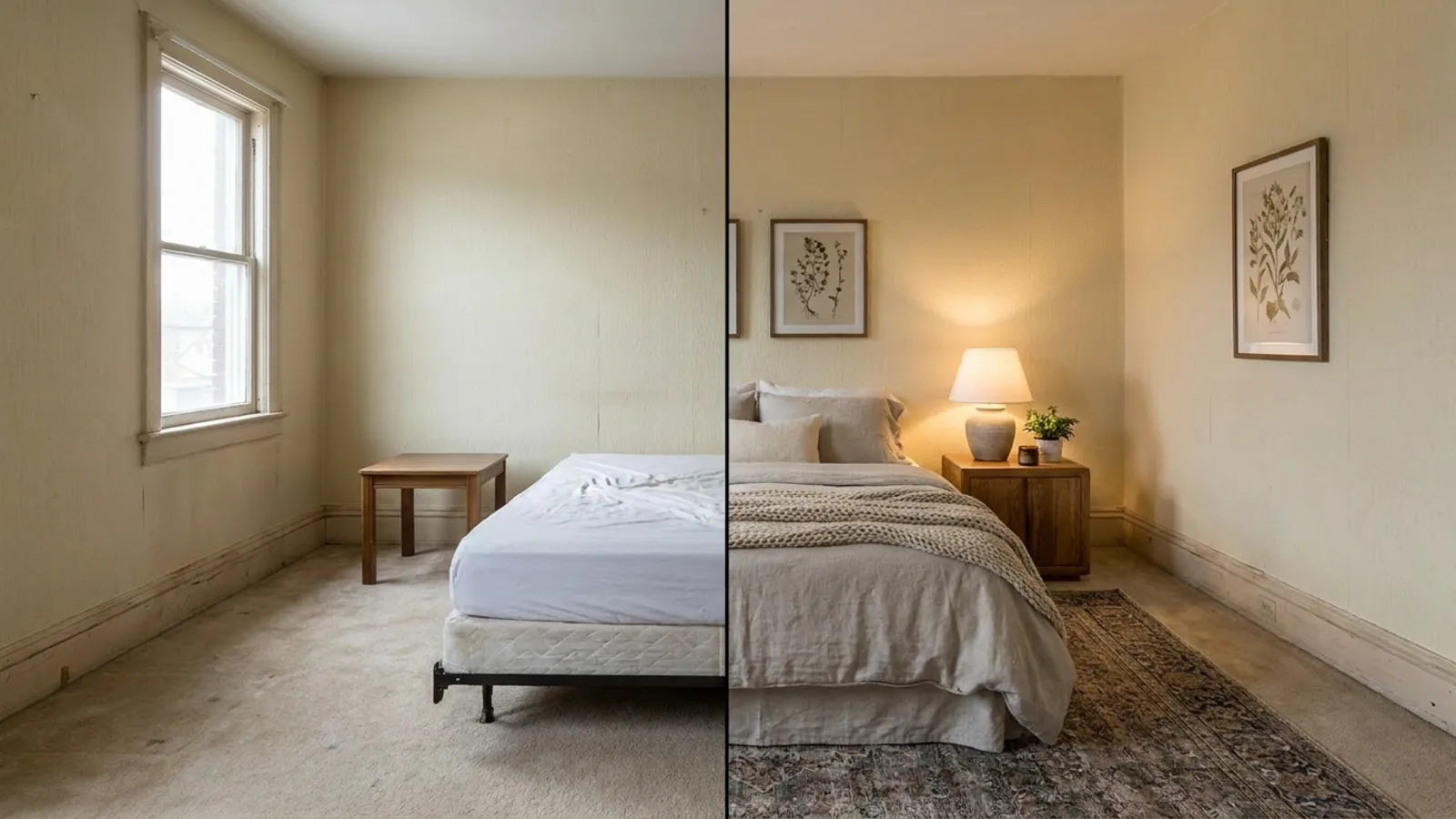
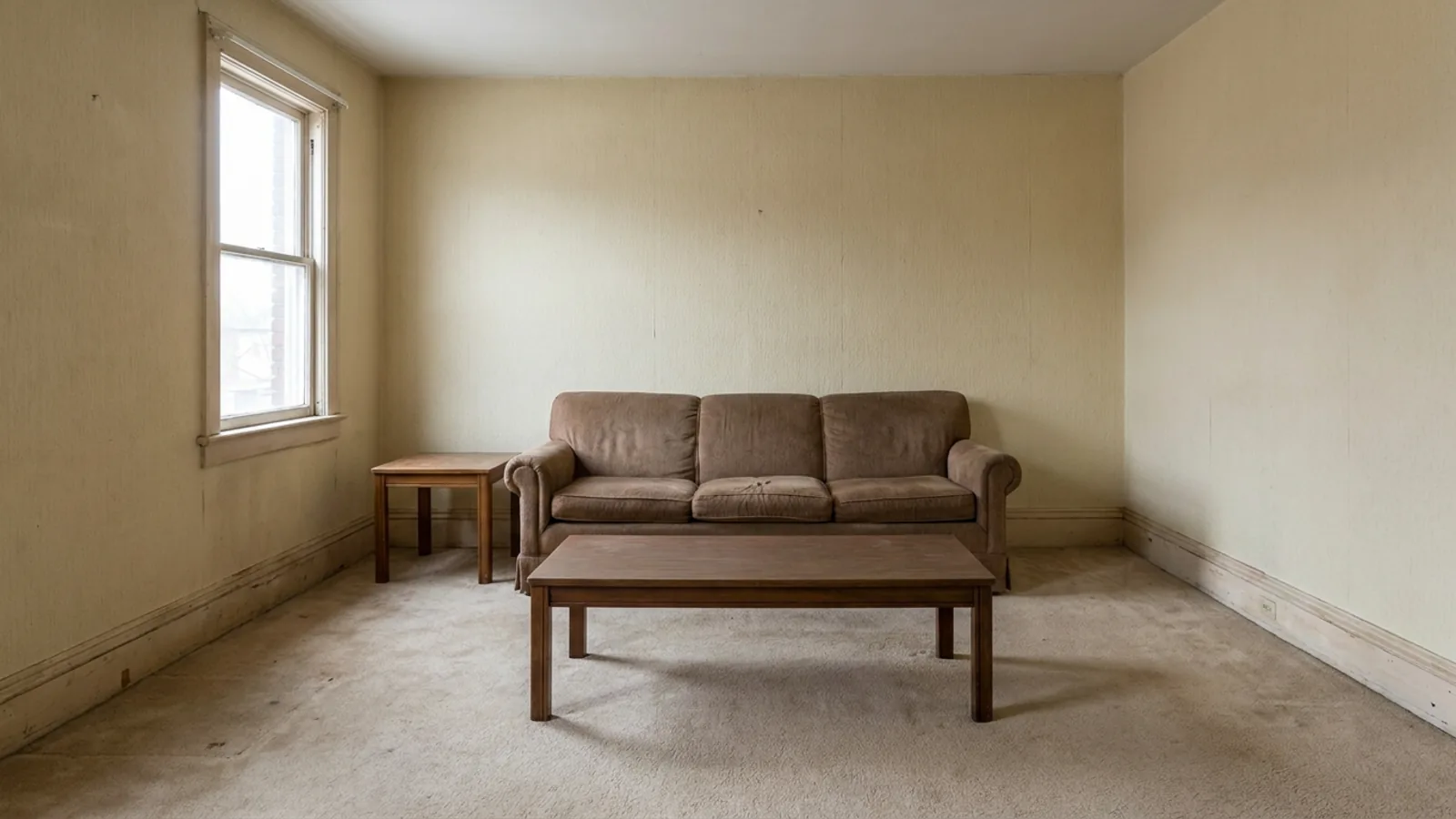 Before
Restyled
Before
Restyled
If the visualisation step is what you actually need, here is the whole flow. It replaces the see-it-before-you-buy part of a designer's job at a fraction of the cost.
- Photograph the room in daylight, wide and roughly level so the whole space is in frame.
- Upload the photo on the homepage, with no signup.
- Pick a style or describe the look you want in your own words.
- Generate the restyle and see your actual room in the new look in about a minute.
- Iterate on furniture and finishes, one instruction at a time, until it is a room you would build.
- Optionally make a video walkthrough of the finished design to share or sit with.
It is a subscription with a free first render, so you can see your own room reimagined before deciding anything, and you can plan the layout of a room or stage an empty one the same way. The current plans are on the plans page; the important part is that the first look costs nothing.
How to lower interior designer costs, whether you hire or do it yourself
Whichever route you take, a few habits keep the cost down without hurting the result. If you are hiring:
- Agree the fee model and the number of revisions in writing before you start.
- Begin with a single room rather than the whole home.
- Book an hourly consultation instead of full service if your vision is mostly there and you just need expert direction.
- Separate the design fee from the furnishings budget up front so nothing creeps.
If you are designing it yourself:
- Lock the look with AI first so nothing is bought twice.
- Reuse existing furniture wherever the restyle allows.
- Shop the finalised concept in one pass rather than piece by piece.
The single biggest way to avoid an expensive mistake is to see the finished room before you spend, and the first render costs nothing. For inspiration to start from, browse a modern kitchen or a coastal bedroom, then try the look on your own space.
Frequently asked questions
How much should you budget for an interior designer? +
Budget in two parts, the design fee and the furnishings, because they are billed separately. For a single room, design fees commonly land in the low four figures in the US, roughly $450 to $1,500 for design only and more with furnishings, while the furniture and finishes usually cost several times that. A whole-home project runs much higher and is often quoted as a percentage of the total. Deciding your furnishings budget first makes the design fee easier to judge.
Is it worth paying for an interior designer? +
It is usually worth it for complex renovations, layout or structural changes, tight timelines, and rooms that resist every attempt, where trade access and coordination genuinely offset the fee. It is harder to justify for a simple decorative refresh, a clear existing vision, or a modest budget where the fee eats into the furnishings. If the real need is just to see the room a different way before spending, an AI restyle covers that for a fraction of the cost.
Is it cheaper to use an interior designer? +
Sometimes, because designers can access to-the-trade pricing on furniture and finishes that the public cannot, which offsets part of their fee. On larger, furniture-heavy projects that discount can meaningfully reduce total spend. On a small decorative job the fee often outweighs any trade saving, so it works out dearer than doing it yourself. The honest answer depends on how much you are buying.
How much does an interior decorator cost per room? +
Design-only fees per room commonly sit in the low four figures in the US, roughly $450 to $1,500, and once furniture is included the figure is far higher, roughly $1,000 to $7,800. Living rooms and bedrooms tend to cost less, while kitchens and bathrooms cost more because of cabinetry, fixtures and waterproofing. Rates also vary widely by country and city.
How much does an interior designer cost in the UK, Canada or Australia? +
Pricing shifts by market. UK per-room fees commonly run £500 to £3,000, with London higher. Canadian designers often charge CAD $50 to $200 an hour or a per-room flat fee. Australian designers commonly charge around AUD $200 an hour, with single-room, furniture-included projects reaching several thousand dollars and up. Local rates vary by city, with capital cities typically at the top of each range.
Can AI replace an interior designer? +
AI replaces the visualisation and iteration part of the job, letting anyone restyle a photo of a real room into any look in about a minute and refine it before spending. It does not replace a professional for structural work, trade coordination or complex renovations. For a decorative refresh or for testing directions cheaply, AI covers most of what people actually want, and the first render is free, so it costs nothing to see your own room reimagined.
Do interior designers charge for an initial consultation? +
Many do, often as an hourly or fixed fee, though some credit it toward the project if you proceed. A paid consultation can be a low-cost way to get expert direction without committing to full service. Always check what the consultation includes and whether it is refundable before booking.
 After
After
 Before
See it on your own room
Your room, redesigned
Upload one photo and watch your room restyled in a wide range of designer looks. Your walls, windows and layout stay exactly as they are.
Try it free, no signupOne photo. In seconds. No signup.