restylai blog
Rules for Staging a House: Room-by-Room Checklist
Updated July 19, 2026 · by the restylai team
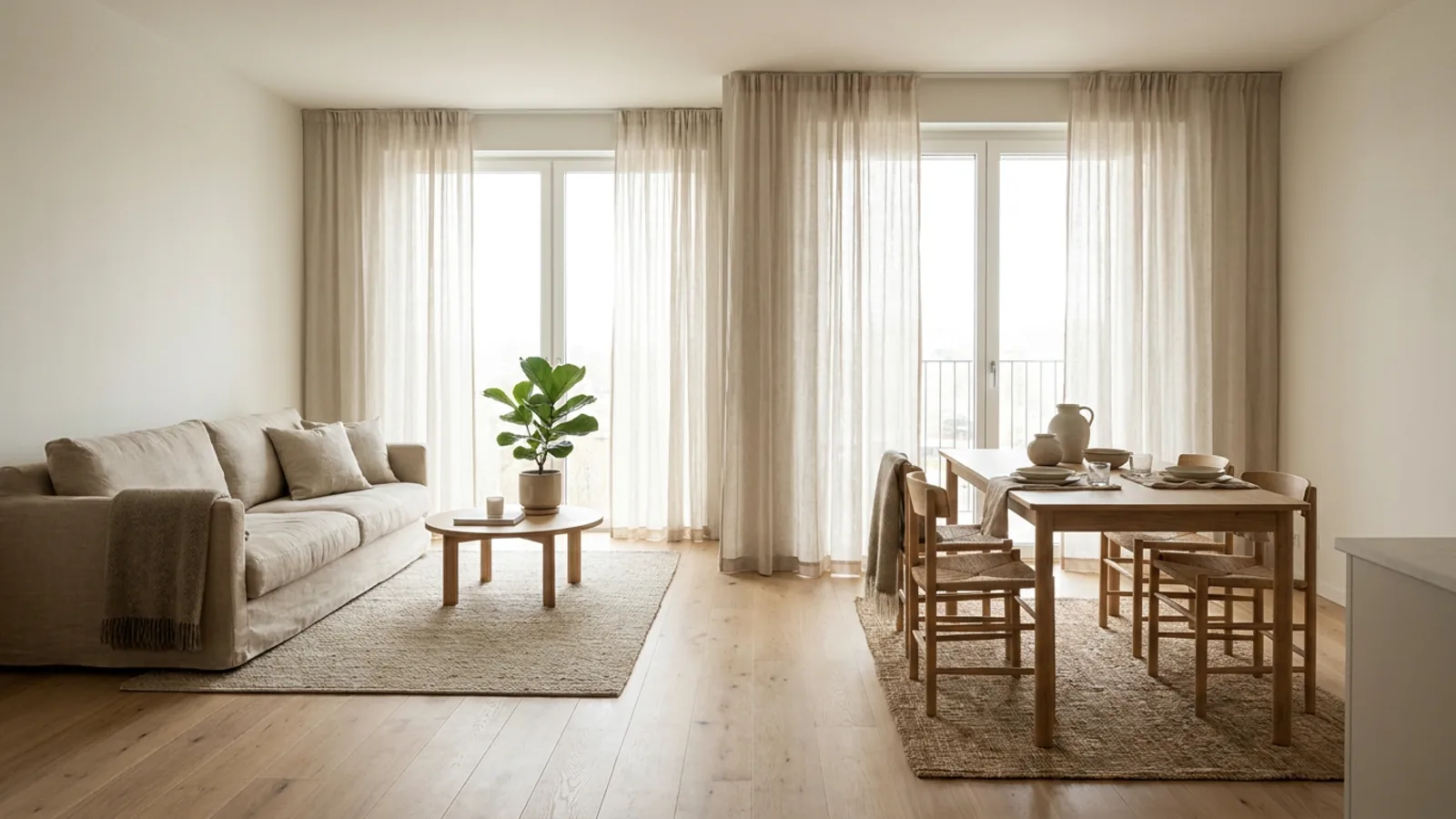
Home staging is not decorating, it is marketing. The goal is not to make a home look like the owner's taste, but to make it easy for the largest number of buyers to imagine themselves living there. That is why staging follows a fairly consistent set of rules: declutter, clean, neutralize, and arrange for space and light. Follow them and a home photographs better, shows better, and helps buyers picture their own life in the space. This is the room-by-room checklist for doing it well.
Below are the core rules of staging, in the order they should be tackled, a room-by-room checklist, the mistakes to avoid, and how to preview the staged result on your own photos before moving a single piece of furniture.
What the rules of home staging are really for
Every staging rule serves one purpose: helping a buyer see themselves in the home rather than the current owner. A space that is cluttered, personal, or awkwardly arranged makes a buyer work to imagine their own life there, and anything that adds friction to that imagination costs interest. Staging removes the friction. It presents a clean, neutral, well-proportioned version of the home that reads as move-in ready and lets the architecture, not the belongings, do the talking.
Keep that purpose in mind and the rules stop feeling arbitrary. Decluttering is not tidying for its own sake, it is clearing the buyer's line of sight. Neutral color is not blandness, it is a blank canvas for someone else's taste. Every rule below is a version of the same idea: get out of the buyer's way. And because staging is ultimately about how the home reads in photos and showings, you can preview the whole effect first when you stage a room from a photo.
Rule 1: declutter and depersonalize before anything else
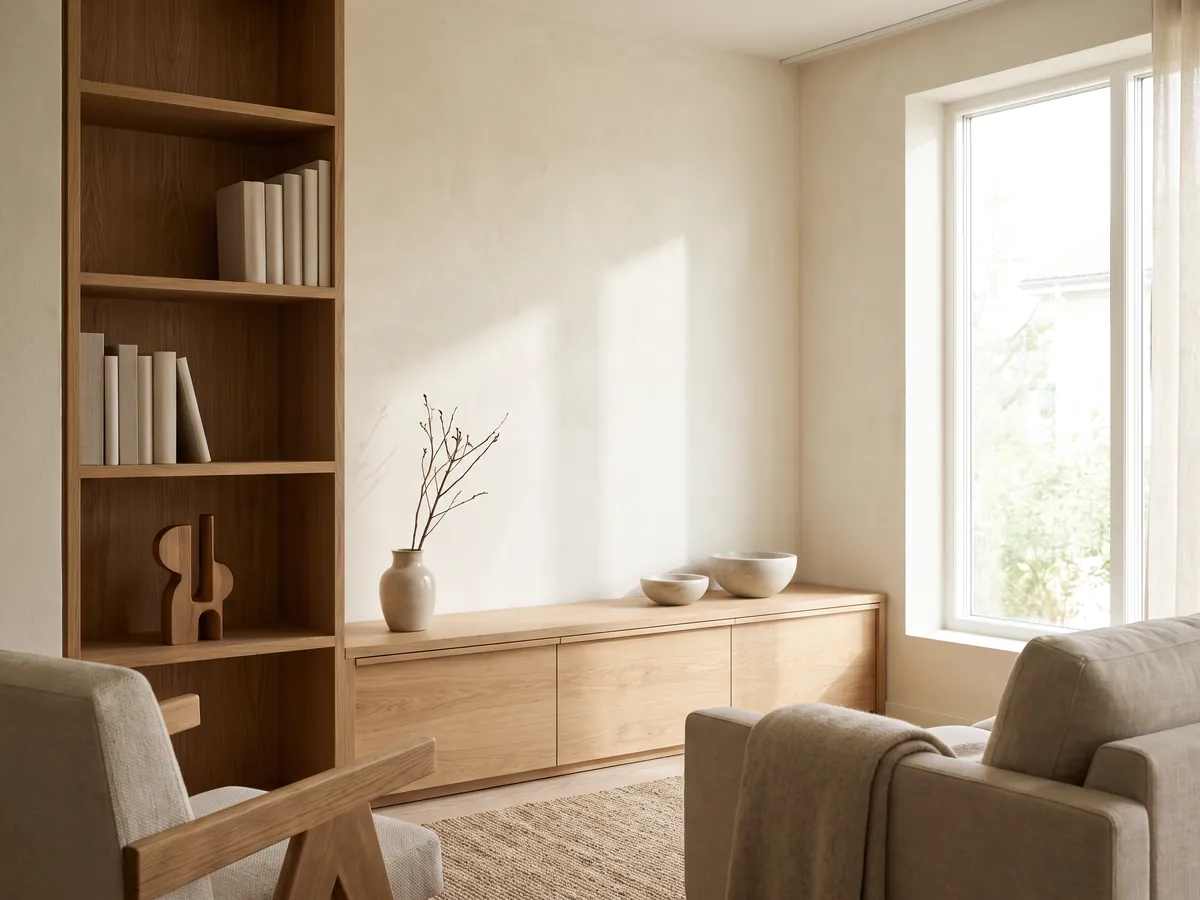
This is the first rule because it does the most and costs the least. Decluttering means clearing surfaces, thinning out furniture, and packing away the excess so rooms feel open and every space reads as generous. Depersonalizing means removing family photos, personal collections, and anything too specific to the current owner, so a buyer sees a home rather than someone else's life.
The two go together, and they are the highest-leverage thing anyone can do to a home before selling. A cluttered room photographs as small and busy; a cleared one photographs as spacious and calm. Aim to remove roughly a third of what is in each room, and put it in storage rather than shuffling it elsewhere in the house. Nothing else on this list matters as much, and none of it works if this step is skipped.
Rule 2: deep clean and fix the small things first
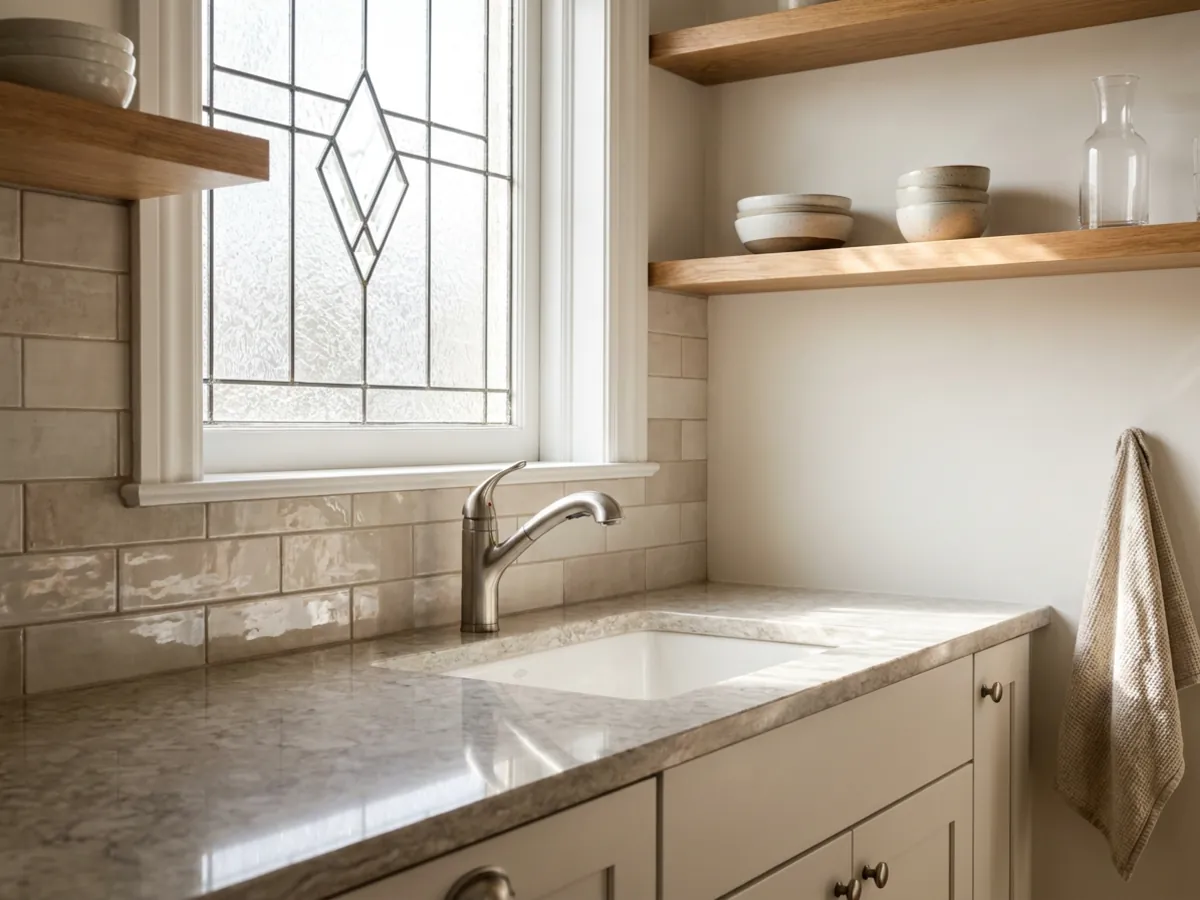
Once the clutter is gone, the home has to be spotless, because a deep clean signals that a property has been cared for, and buyers read cleanliness as a proxy for how well the whole house has been maintained. Clean windows, floors, grout, and fixtures until they gleam. A fresh, neutral space that smells clean and looks cared for builds trust before a buyer consciously notices why.
At the same time, fix the small things: a dripping tap, a squeaky door, chipped paint, a cracked tile, a loose handle. Individually they are minor, but together a collection of small unfixed faults tells a buyer the home has been neglected and makes them wonder what larger problems are hiding. Handling the quick, cheap repairs before showing removes that doubt, and it is far cheaper than the price a buyer will knock off for a home that feels tired.
Rule 3: keep colors neutral and let the light in
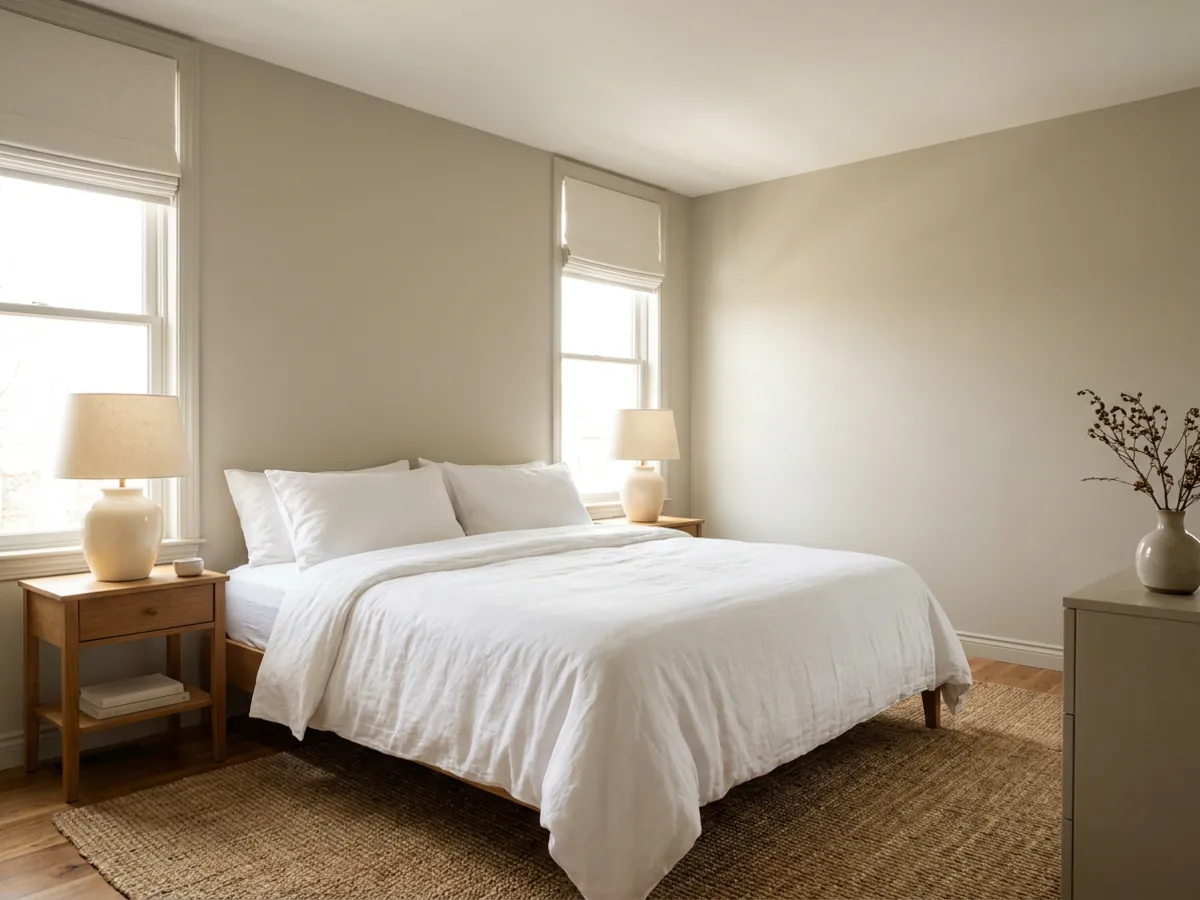
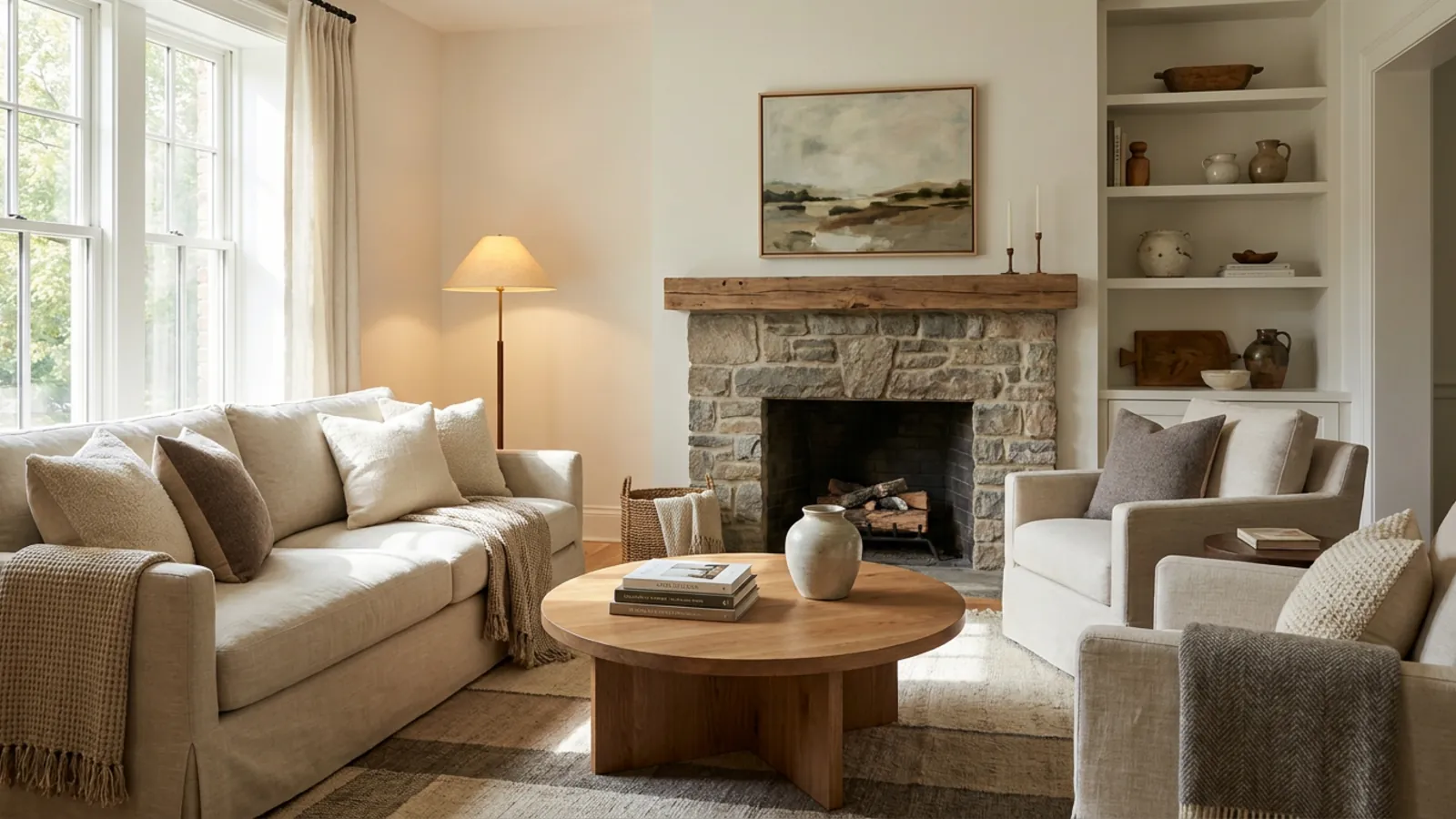
Color in staging is not about personal taste, it is about the widest possible appeal. Keep walls and large surfaces neutral, warm whites, soft greiges, gentle taupes, so a buyer can mentally project their own style onto the space. A bold or divisive wall color forces a buyer to either love it or plan to repaint it, and either way it gets in the way of them imagining the room as theirs.
Then maximize the light, because bright rooms feel bigger, cleaner, and more welcoming. Open every curtain and blind, clean the windows, turn on every lamp for showings and photos, and swap any dim or mismatched bulbs for bright, warm ones. A neutral, light-filled room is the single most reliable staging combination, and if a room feels dark or dated, previewing it repainted and brightened first shows how far a coat of neutral paint will go. A calm, airy look like a Scandinavian scheme is a safe, broadly appealing direction.
Rule 4: arrange furniture so every room can breathe
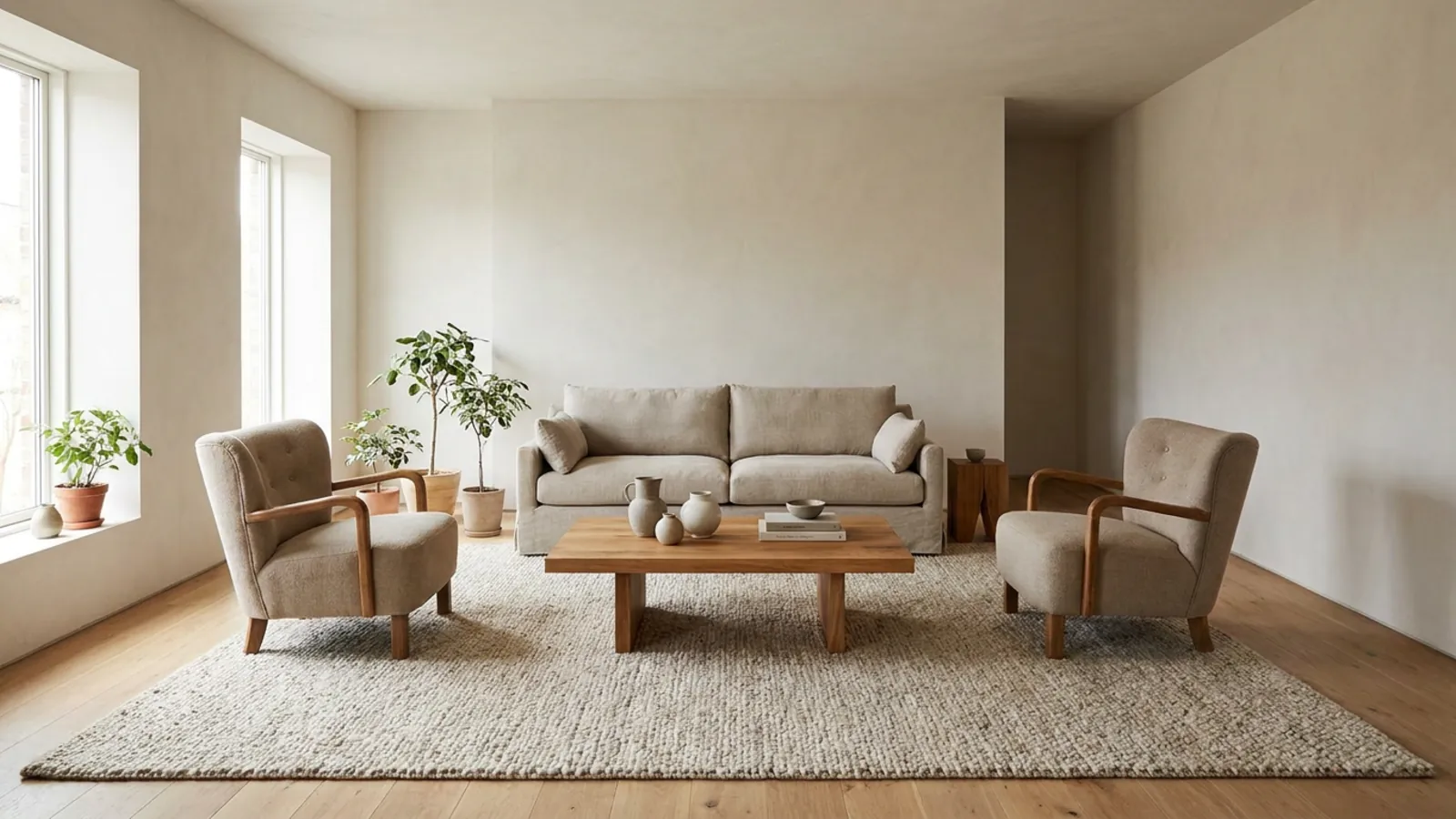
How furniture is arranged decides whether a room reads as spacious and purposeful or cramped and confusing. The rules are simple: use appropriately scaled furniture, not too big for the room, float pieces away from the walls to define zones and show that the space is generous, and keep clear, obvious pathways through every room. Each room should have one clear purpose so buyers immediately understand what it is for.
A useful spacing guideline is the three-foot, five-foot rule: leave roughly three feet of clearance for walkways and about five feet of open space in the main gathering areas, so the layout feels easy to move through. Buyers register that breathing room instantly, even if they never consciously measure it, because a room you can move through freely reads as larger and better planned than one you have to navigate around.
Less furniture, well placed, almost always beats more. A room with a few well-scaled pieces and clear space around them photographs and shows far better than a full one, because the buyer can see the floor, the flow, and the potential. If a room has an awkward or ambiguous function, staging it for one clear use, a bedroom as a bedroom, a nook as a reading corner, resolves the confusion and helps the whole home make sense.
Room-by-room home staging checklist
Each room has its own priorities:
- Living room: the hero space. Clear it, arrange a welcoming conversation layout, and give it one clear focal point.
- Kitchen: clear every counter, deep clean, and add one or two fresh touches. Buyers scrutinize kitchens, so consider a quick kitchen refresh if it looks dated.
- Primary bedroom: neutral bedding, symmetrical and restful, styled for calm rather than personality. You can stage a bedroom to a broadly appealing look.
- Bathrooms: hotel-clean, with crisp towels, clear surfaces, and nothing personal on display.
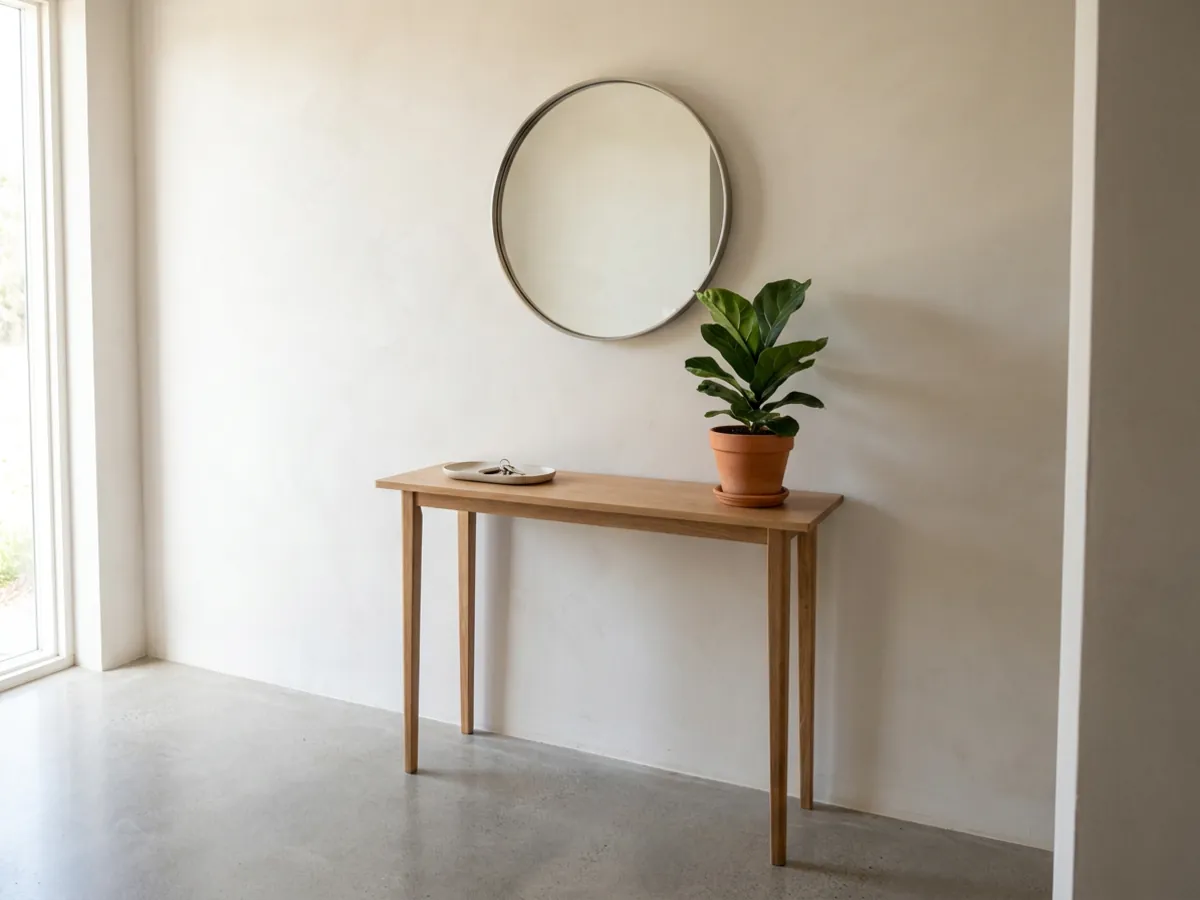
- Entryway: the first impression. Keep it clear, bright, and welcoming.
- Outdoor space: tidy it and add a hint of how it could be used, since it counts as another room.
Work through the home this way and nothing gets missed. Start with the spaces buyers weight most, the living room, kitchen, and primary bedroom, and give them the most attention, since those rooms carry the showing.
What not to do: common home staging mistakes
A few mistakes undo good staging:
- Leaving it too personal or too cluttered. The number one failure. Buyers cannot imagine themselves in someone else's crowded space.
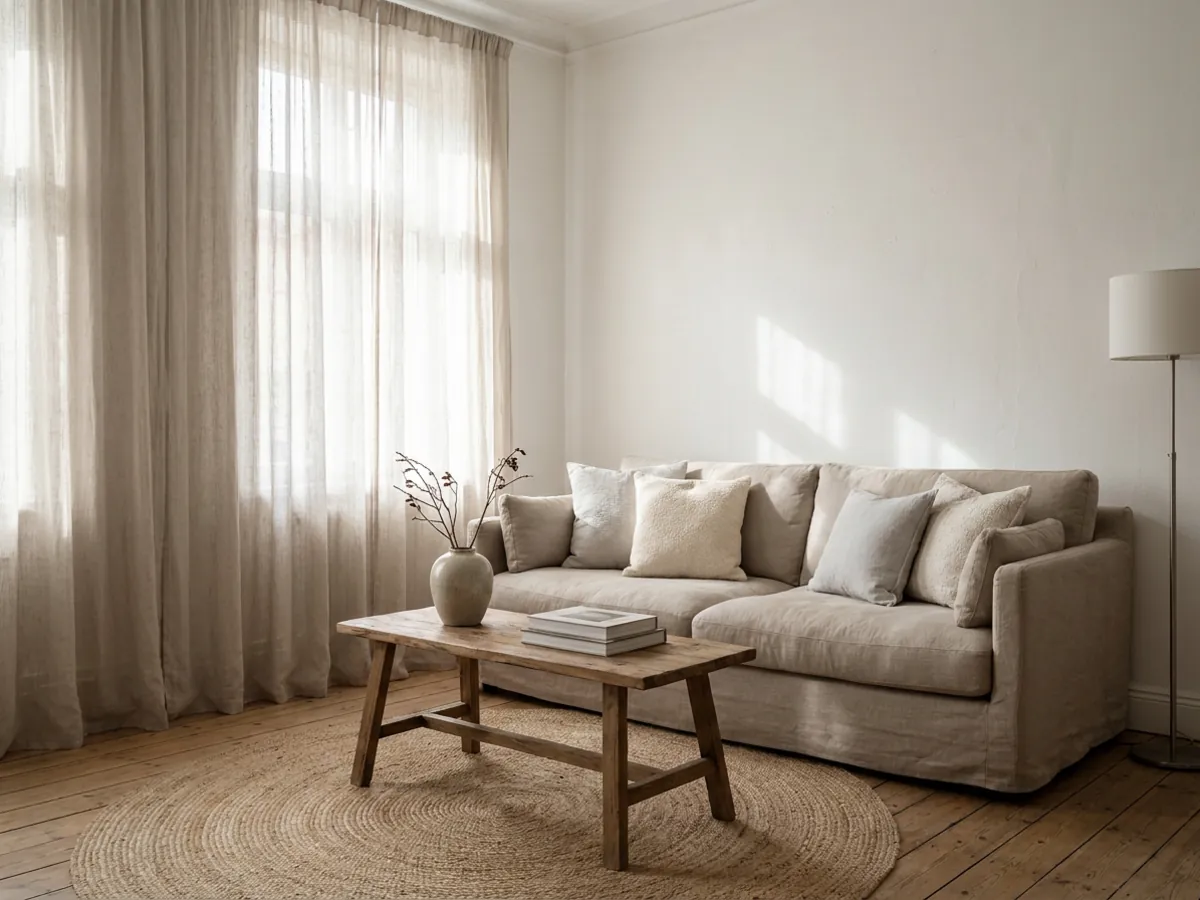
- Over-staging into a showroom. A home that feels like a furniture catalogue can read as cold and fake. Keep it warm and liveable.
- Bold, divisive color choices. They narrow the pool of buyers who can picture themselves there.
- Ignoring smell and light. A dark or musty room loses buyers before they notice anything else.
- Misleading photos. Staged images should show the home at its best honestly, and any digitally staged photos should be disclosed as such, never presenting a redesigned room as the real current condition.
The theme is balance: do enough to present the home well, but not so much that it feels staged in the bad sense. Clean, neutral, and liveable is the target, not a stage set.
See the staged result before you move anything
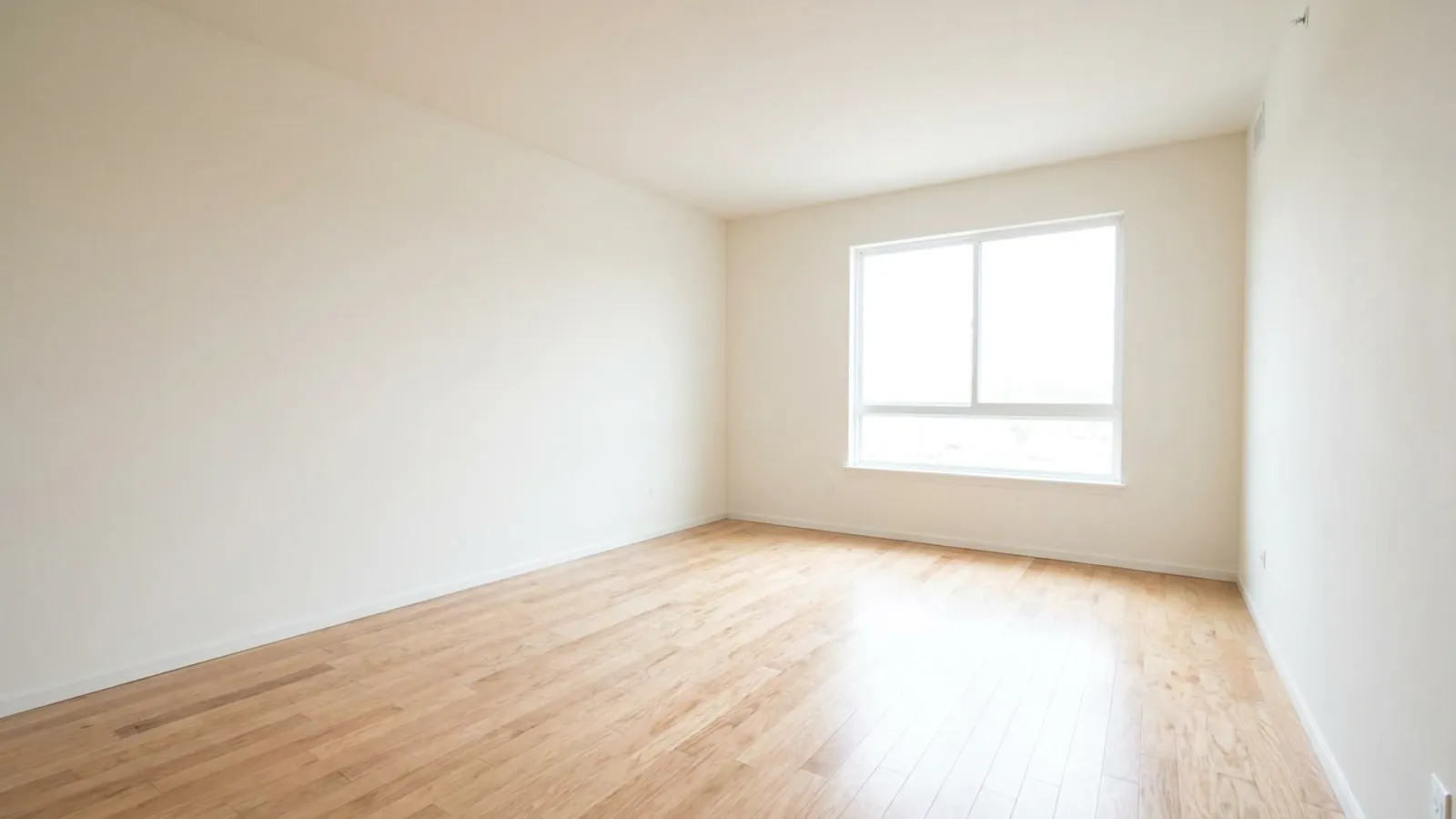 Before
Staged
Before
Staged
The most efficient way to stage is to see the result first. Upload a photo of a room and preview it decluttered, repainted neutral, and staged with well-scaled furniture, keeping the real windows and proportions, so you can decide what is worth doing before hauling furniture or buying anything. It is especially useful for an empty property, where a bare room is hard for buyers to read and virtual staging shows its potential.
The first render is free with no signup, so you can test a staged look on every room and plan the real work around it. Just keep it honest: use the renders to plan and to show a styled vision, disclose any staged images, and keep the published listing photos true to the actual space. You can restyle a room to a neutral, buyer-ready look, or take an empty one and furnish it from a photo, and a calm scheme like a coastal bedroom suits a broad range of buyers.
Your simple staging plan, in order
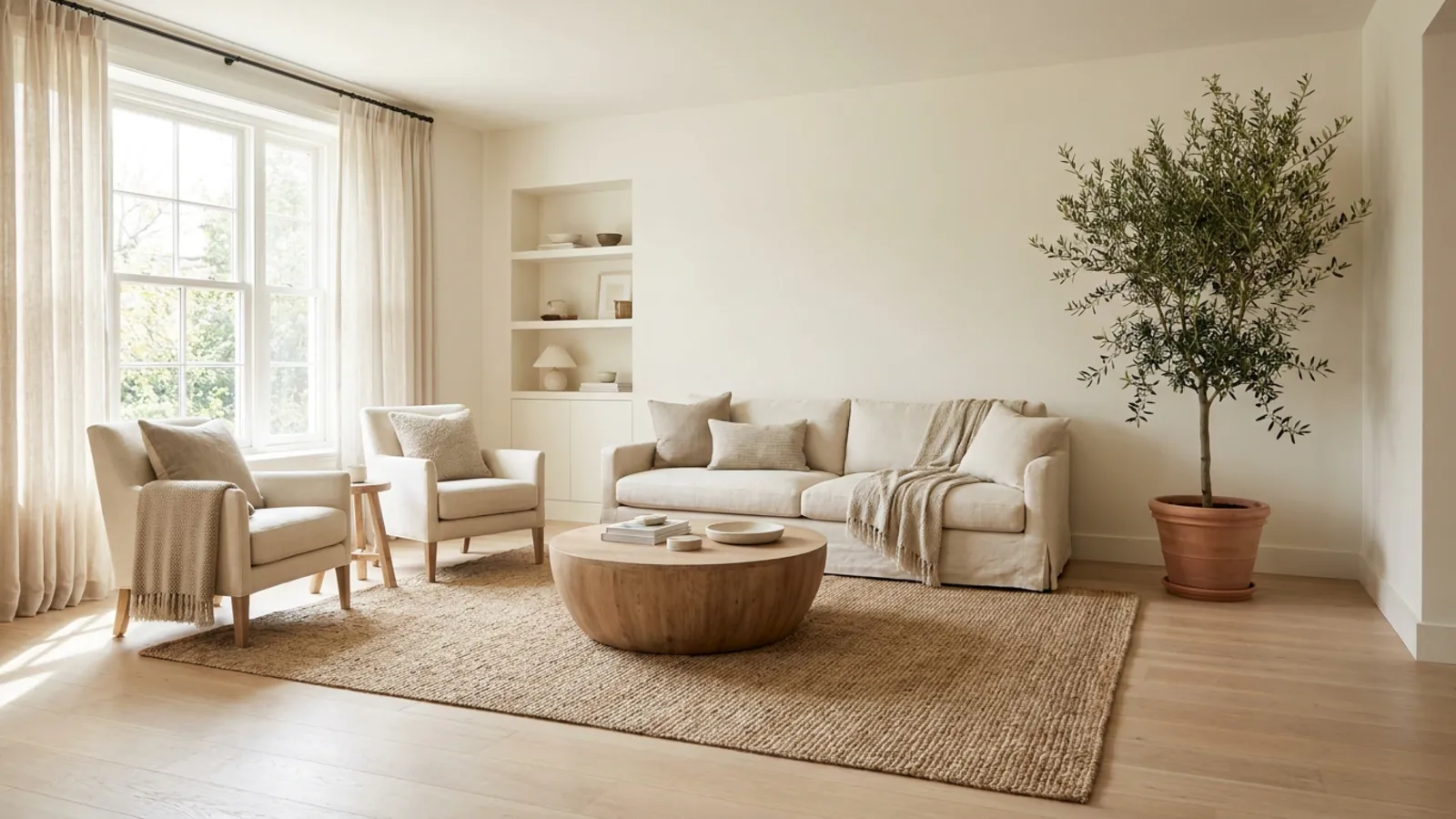
Put the rules in order and staging becomes a simple sequence rather than a vague project. Work through it top to bottom:
- Declutter and depersonalize every room, packing the excess into storage.
- Deep clean the whole home and fix the small faults.
- Neutralize the color and maximize the light.
- Rearrange the furniture for space, flow, and a clear purpose per room.
- Work room by room, prioritizing the living room, kitchen, and primary bedroom.
- Preview and refine the staged look on photos before doing the physical work.
Follow that order and a home presents clean, neutral, and buyer-ready, which is exactly what helps it show at its best. Preview the finished look first, and you spend your effort only on the changes that genuinely make the home easier for a buyer to fall for.
Frequently asked questions
What are the rules for staging a house? +
Declutter and depersonalize so buyers can picture themselves in the space, deep clean and fix small repairs, keep paint and decor neutral, maximize natural and artificial light, and arrange furniture with clear paths so each room feels larger. The aim is a clean, neutral backdrop rather than a decorated or renovated look.
What should you not do when staging a house? +
Avoid over-cluttering, leaving furniture pushed against the walls, keeping bold paint or heavy dark drapes that block light, and skipping the deep clean. Do not over-personalize with family photos and collections, do not ignore smells or pet signs, and do not stage only the main living room while forgetting bedrooms and bathrooms. Each of these narrows the pool of buyers who can imagine living there.
What is the 3-foot, 5-foot rule in home staging? +
It is a guideline for spacing. Leave roughly three feet of clearance for walkways and about five feet of open space in the main gathering areas of a room, so the layout feels easy to move through. The point is that breathing room reads as more space than a room packed with furniture.
Which rooms should you stage first? +
Start with the spaces buyers weigh most heavily, usually the entryway, living room, kitchen, and primary bedroom, then move to bathrooms and any secondary rooms. First impressions carry a lot of weight, so the entry and the main living area are worth the most attention. A room-by-room checklist keeps you from finishing one room perfectly and neglecting the rest.
Can you stage a house virtually? +
Yes. Virtual staging lets you upload a photo of a room and preview a furnished, neutral version, which is especially useful for empty rooms where buyers struggle to judge scale. It helps you test a palette and furniture layout before spending on paint or furniture. The first render is free, so you can see the result before committing to any physical changes.
How much does home staging cost? +
Costs vary widely by market, the size of the house, and whether you stage it yourself, hire a stager, or use virtual staging. Doing the decluttering, cleaning, and rearranging yourself keeps costs down, and previewing the look virtually first can reduce spending on furniture you do not end up needing.
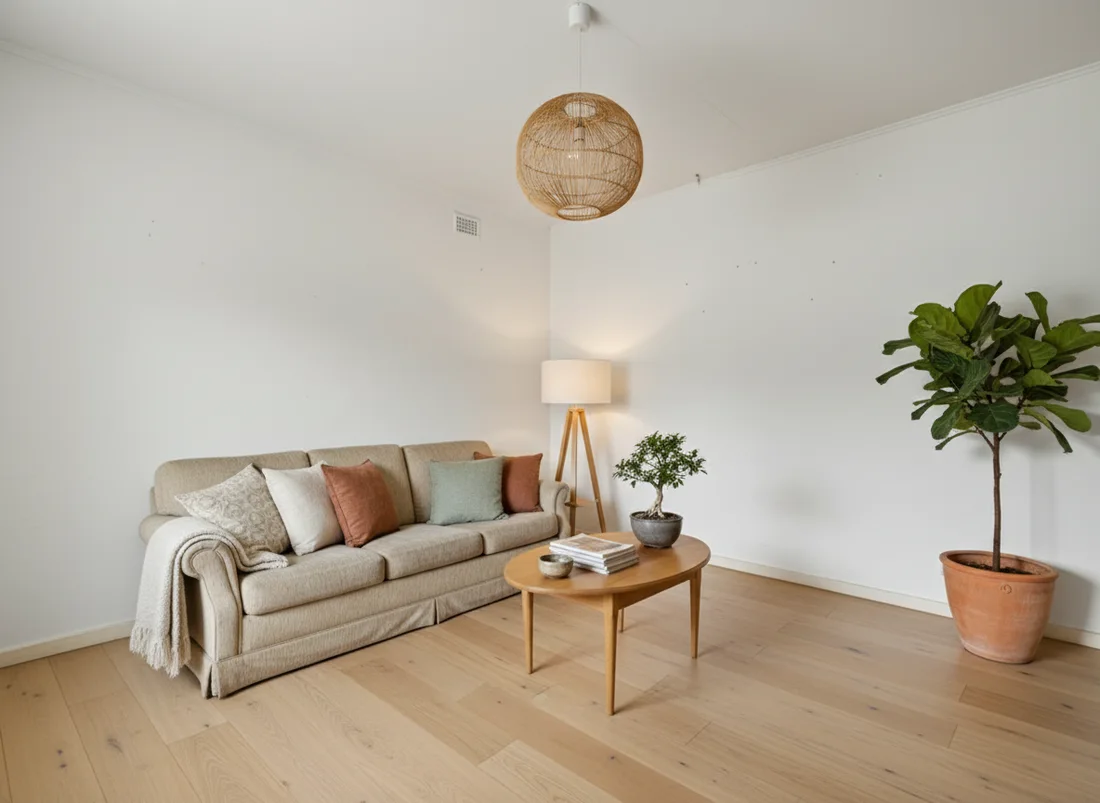 After
After
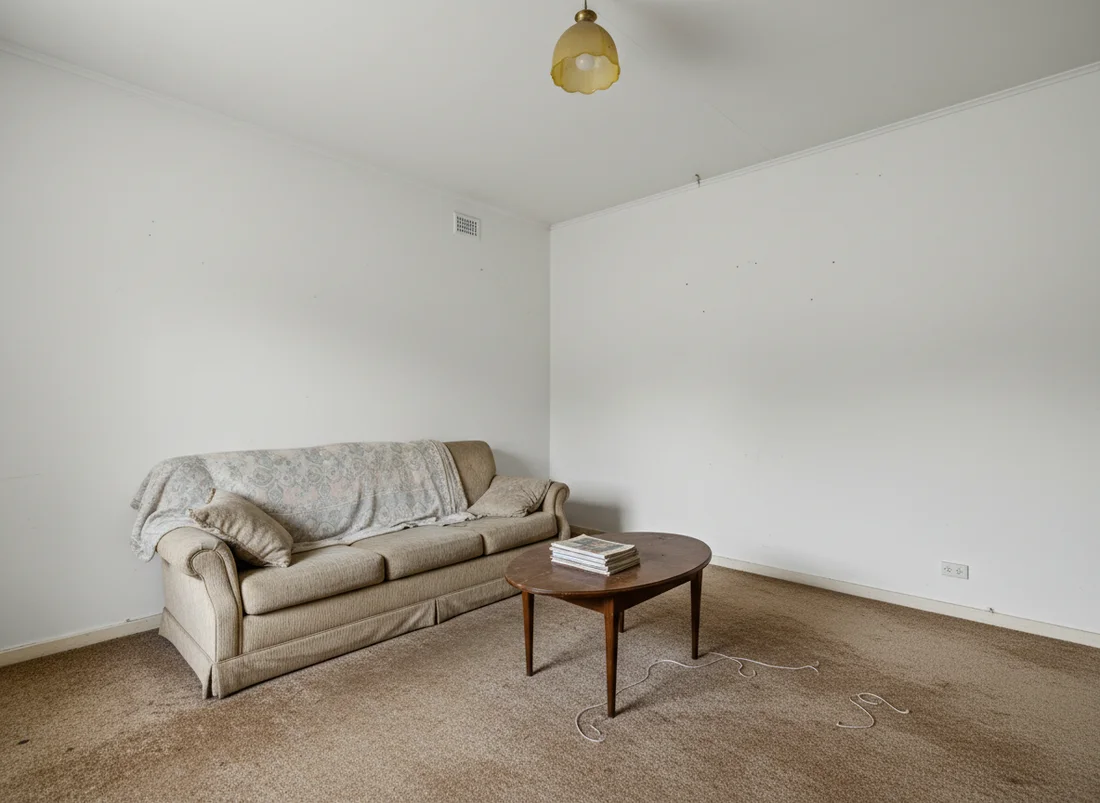 Before
See it on your own room
Your room, redesigned
Upload one photo and watch your room restyled in a wide range of designer looks. Your walls, windows and layout stay exactly as they are.
Try it free, no signupOne photo. In seconds. No signup.