restylai blog
Home Decor Trends 2026: 10 Looks to Watch
Updated July 18, 2026 · by the restylai team
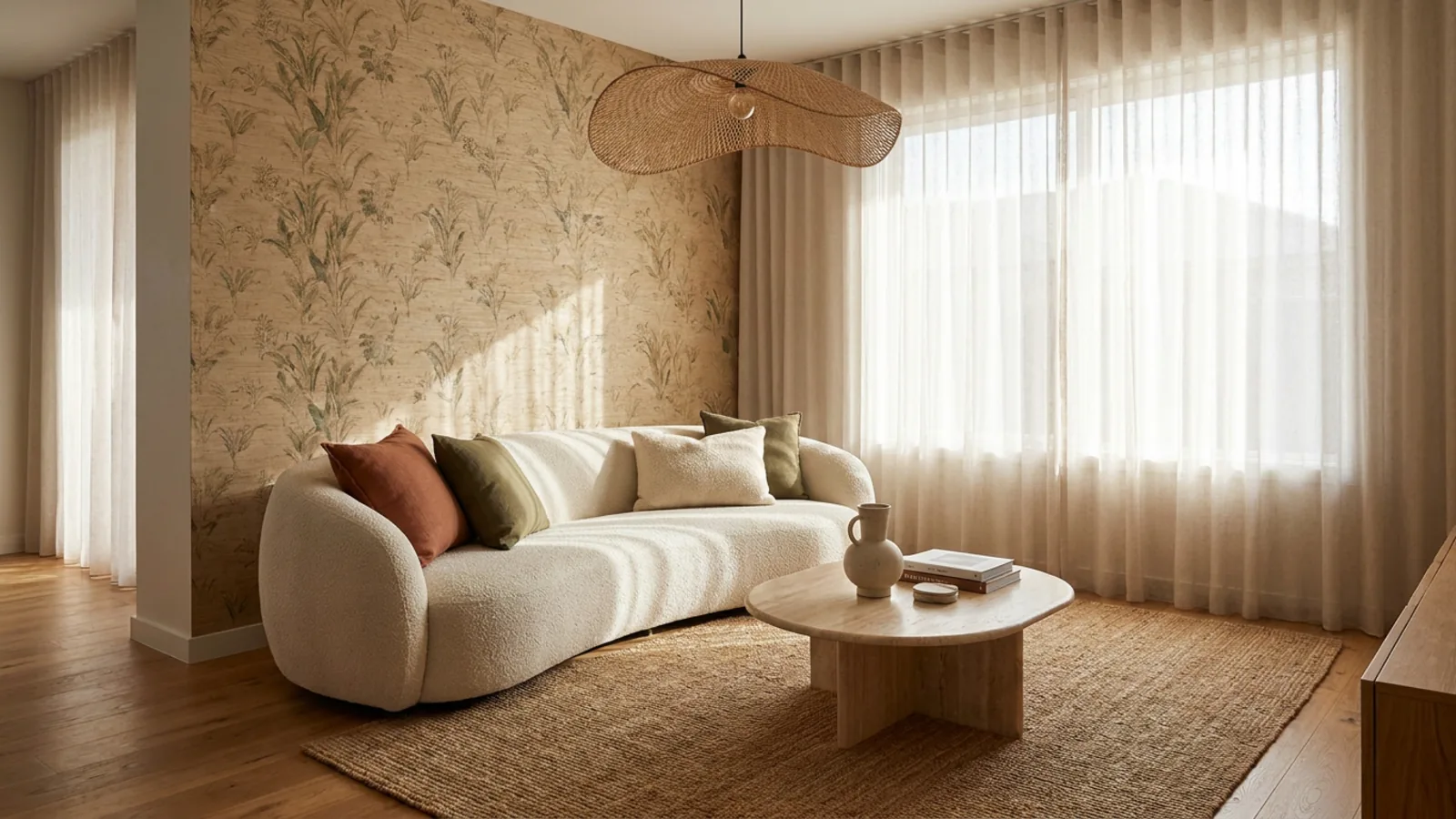
The direction for 2026 is easy to summarize: warmth over coolness, texture over gloss, and rooms that feel lived in rather than staged. The cold, all-grey minimalism that ran for most of the last decade is giving way to spaces built around natural materials, grounded color, and softer shapes. The look is still calm and uncluttered, it just feels human now instead of clinical.
None of this is about buying more. If anything, the year rewards editing down and choosing better: one curved shape, one natural material, one confident color, against a calm and warm backdrop. That is why almost every trend below can be reached by swapping and rearranging what a room already has rather than starting over, and why a bare, minimal room and a layered, decorated one can both be completely of the moment as long as they feel warm and intentional.
Below are the ten looks defining the year, each paired with a real render so you can see the change rather than just read about it. After the trends you will find what is quietly going out of style, how the year looks room by room, and how to update your home on any budget. At the end there is a simple way to preview any of these looks on a photo of your own room before you spend anything.
Warm minimalism replaces cold minimalism
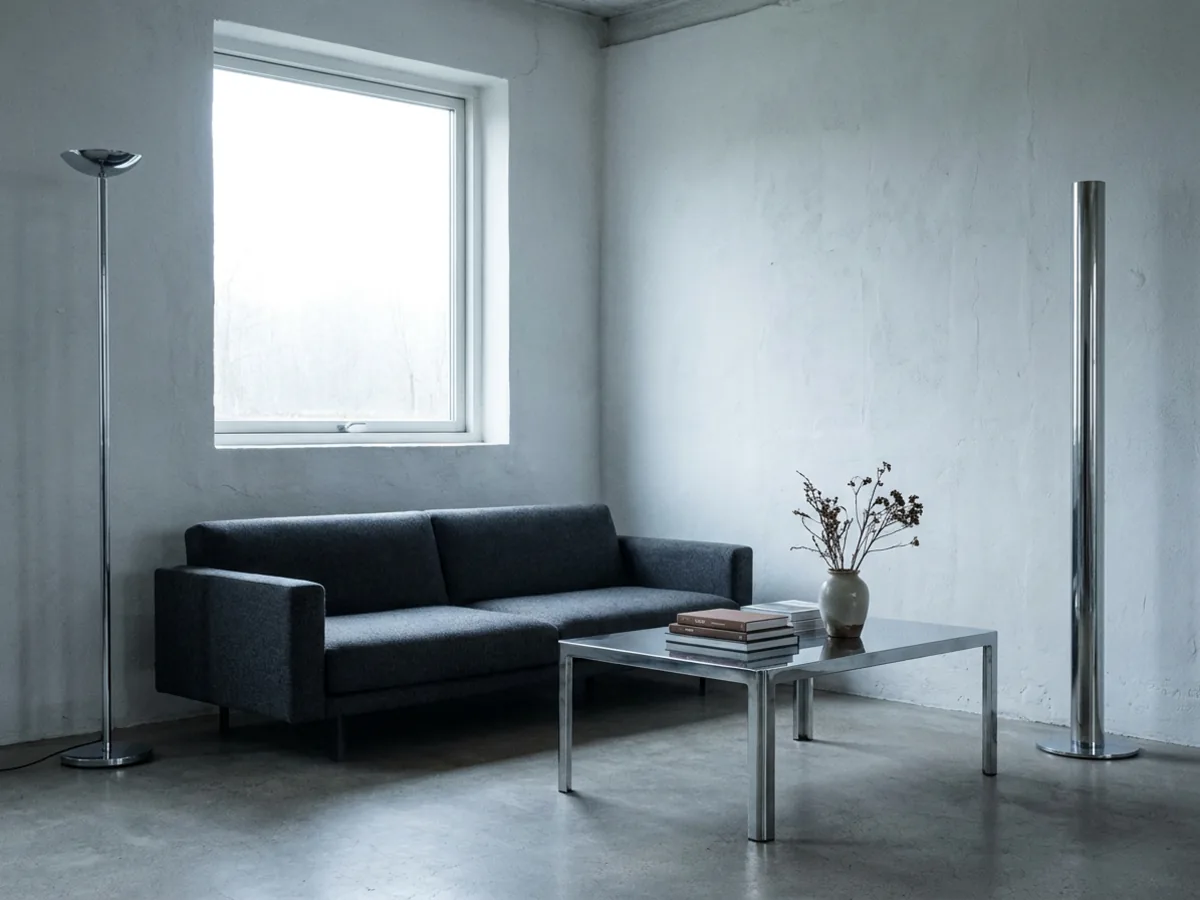
The single biggest shift of the year is a temperature change. Minimalism itself is not going anywhere. People still want calm, order, and clear surfaces. What is leaving is the coldness that came with it: the stark whites, the flat greys, the chrome, the sense that a room had been emptied rather than designed.
In its place comes warm minimalism. The discipline stays, but the palette softens into creamy plaster walls, warm whites, honeyed oak, and tactile fabrics like linen and wool. The result reads as restful instead of severe. It is the frame for everything else on this list, because almost every 2026 trend is really a way of adding warmth and texture without adding clutter. If you like the pared-back feeling but never warmed to the chill of it, this is the year the two finally reconcile. The same instinct drives the warm, natural mood of a Japandi living room, which is a good reference point for where minimalism is heading.
Bringing it home is mostly about swaps, not purchases. Repaint a cool grey wall in a warm off-white or soft clay, trade a glass-and-chrome coffee table for wood or stone, and layer in one wool or boucle texture. The clutter discipline of minimalism still applies, so keep surfaces clear and let a few warm materials carry the room. If a space already feels calm but cold, you are usually one paint color and one natural texture away from the 2026 version of it.
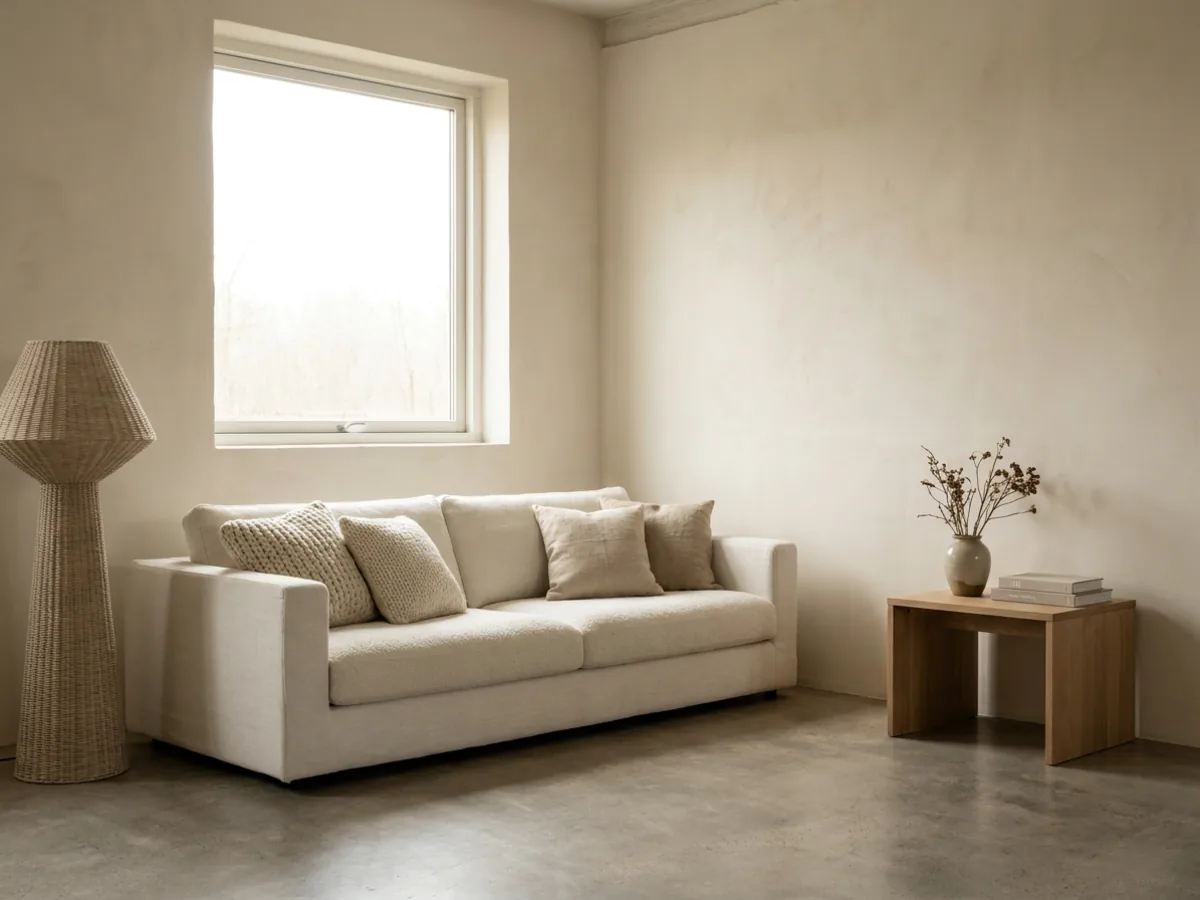
 Before
Warm minimalism
Before
Warm minimalism
Earthy, grounded color takes over
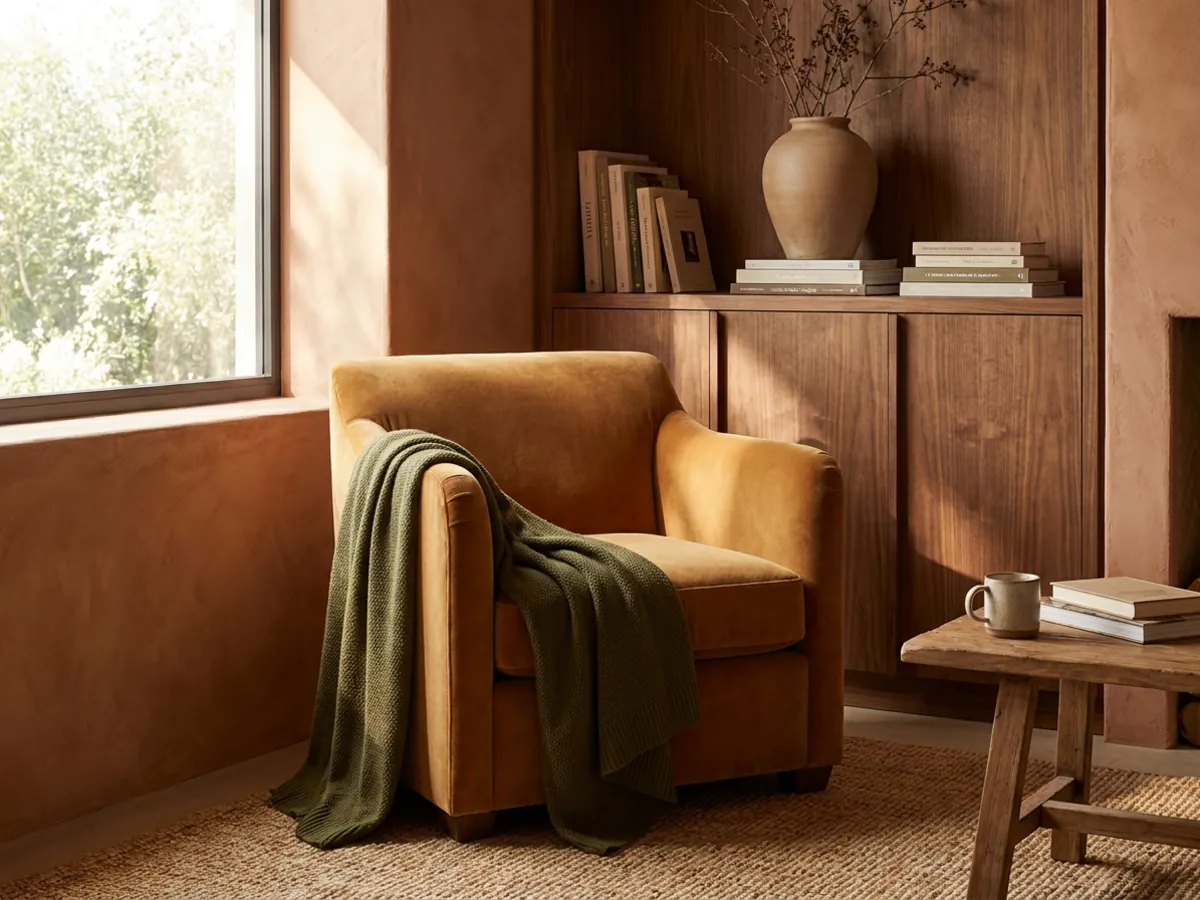
If one thing signals a 2026 room at a glance, it is the color. The palette this year is nature-inspired and grounded: terracotta, ochre, chocolate brown, deep olive green, and warmer reds through to burgundy, all layered over creamy neutrals rather than crisp white. These are colors that feel like earth, clay, and wood, and they make a room feel enclosing and calm.
Bolder accents have a place too. Petrol blue and moss green add character without weighing a space down, used on a single wall, a cabinet, or one piece of furniture. In bedrooms and bathrooms the mood turns softer and more restful, with muted blues and sage greens leading, the kind of quiet color that helps a room feel like somewhere to slow down. You can see that restful direction in a calm coastal bedroom palette, and it is easy to test muted blues and greens in a bedroom before you commit to a color.
The simplest way to work with these colors is the old designer ratio of roughly 60 percent dominant, 30 percent secondary, and 10 percent accent. Let a warm neutral carry the walls and large furniture, bring in an earthy tone like olive or terracotta on upholstery or curtains, and save the boldest note, a burgundy cushion or an ochre lamp, for the smallest ten percent. Because these tones sit close together on the warm side of the wheel, they layer without clashing, which is why a 2026 room can hold four or five colors and still feel calm.
Sculptural and organic shapes
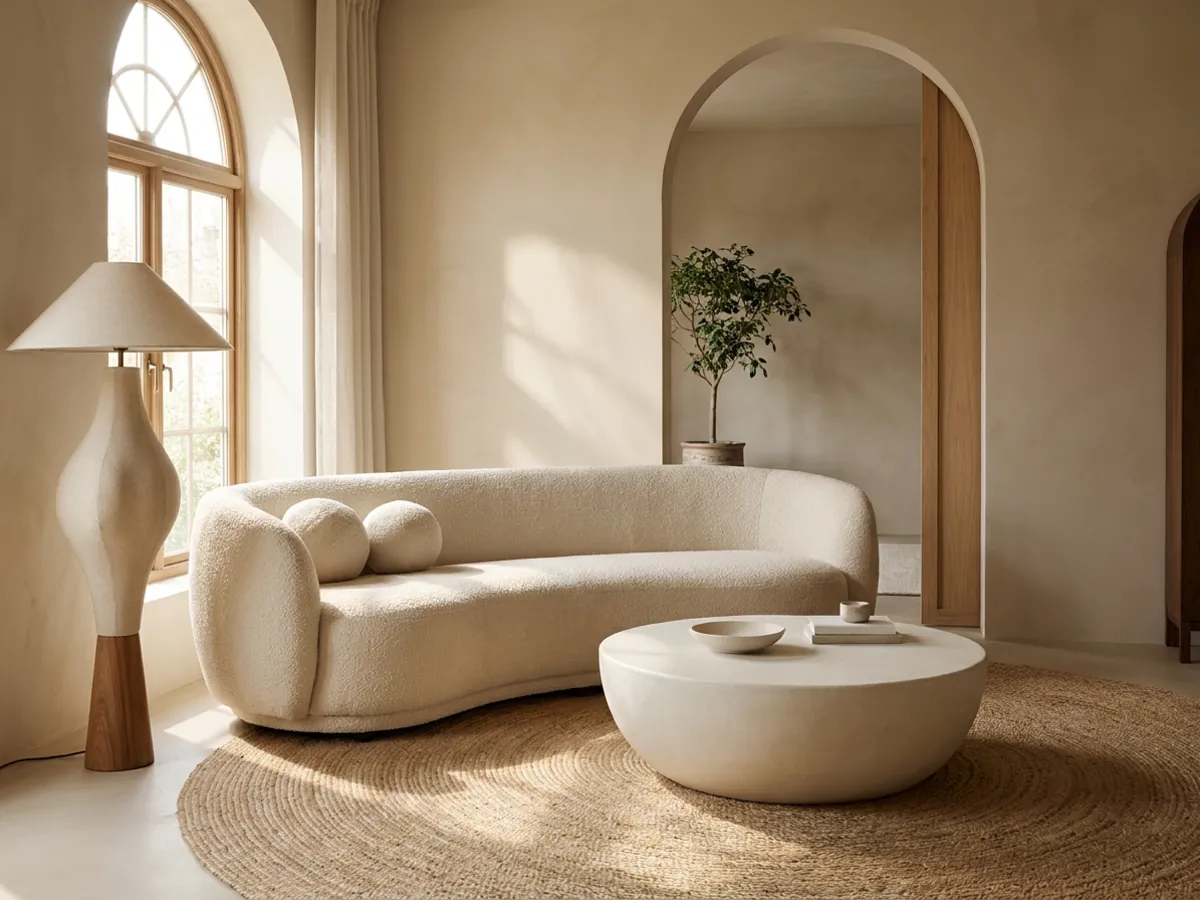
Furniture is losing its hard edges. Sharp, boxy silhouettes are being replaced by flowing, sculptural lines: curved sofas, rounded kitchen islands, arched doorways, circular tables, and lighting that reads as sculpture. The appeal is that a curve feels both warm and modern at once, softening a room without making it look fussy or traditional.
You do not need to rebuild anything to get the effect. A single curved piece changes the feel of an entire space, because the eye reads the one soft shape against the straight lines of the walls and windows. A rounded coffee table, an arched mirror, or one curved armchair is often enough. In kitchens the same idea shows up as a rounded island or a bolder cabinet color, which is a lower-commitment way to bring the trend into the busiest room in the house.
Balance is what keeps it from tipping into novelty. Pair one strong curve with plenty of straight, quiet lines around it, rather than filling a room with round objects until it feels like a cartoon. A curved sofa works precisely because the bookshelf, the window, and the rug behind it are rectilinear. Start with the largest piece you are replacing anyway, since that is where a soft silhouette does the most work for the least money.
Natural and tactile materials
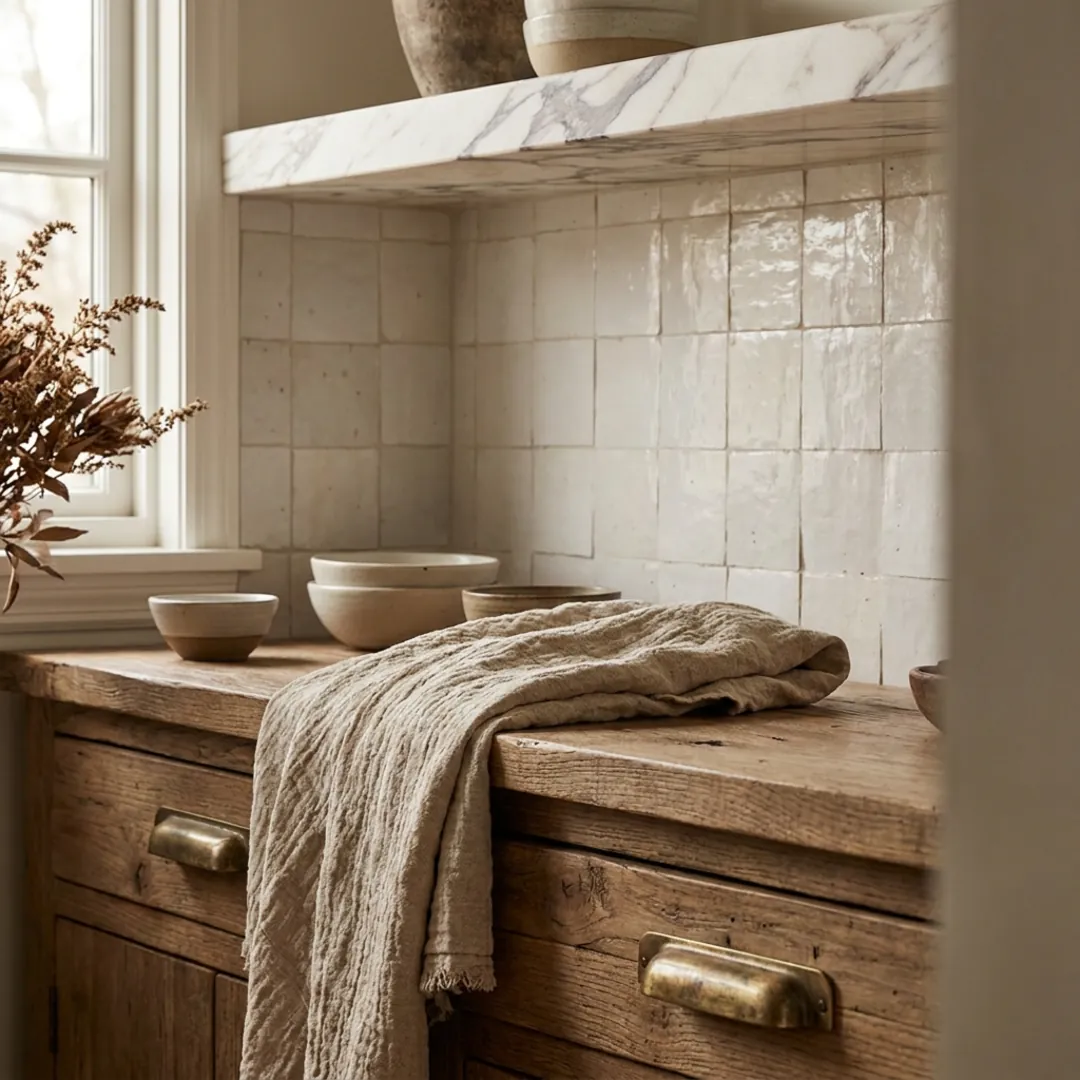
Materials are doing the heavy lifting this year. With color kept grounded and shapes kept simple, the interest in a room comes from what things are actually made of. Expect stone with dramatic veining, richly grained and reclaimed wood, unlacquered metals like brass and copper that patina over time, handmade tile, natural fibers such as jute and linen, and living greenery.
The common thread is honesty. Grain, patina, and a little irregularity add a depth that flat paint and laminate cannot, and they age well instead of dating. A handmade zellige tile catches light unevenly on purpose. A brass handle darkens where hands touch it. This is the craftsmanship and authenticity thread running through the whole year, and it is why so many 2026 rooms feel collected rather than bought all at once.
You can bring this in at any budget. If a stone counter or new tile is out of reach, the cheaper moves still read: swap shiny lacquered hardware for unlacquered brass, add a jute or wool rug, bring in a raw ceramic vessel and a single large plant. The goal is contrast of texture, something rough against something smooth, something matte against something with a soft sheen, so the eye has material to read even when the palette is quiet.
Wallpaper and pattern return
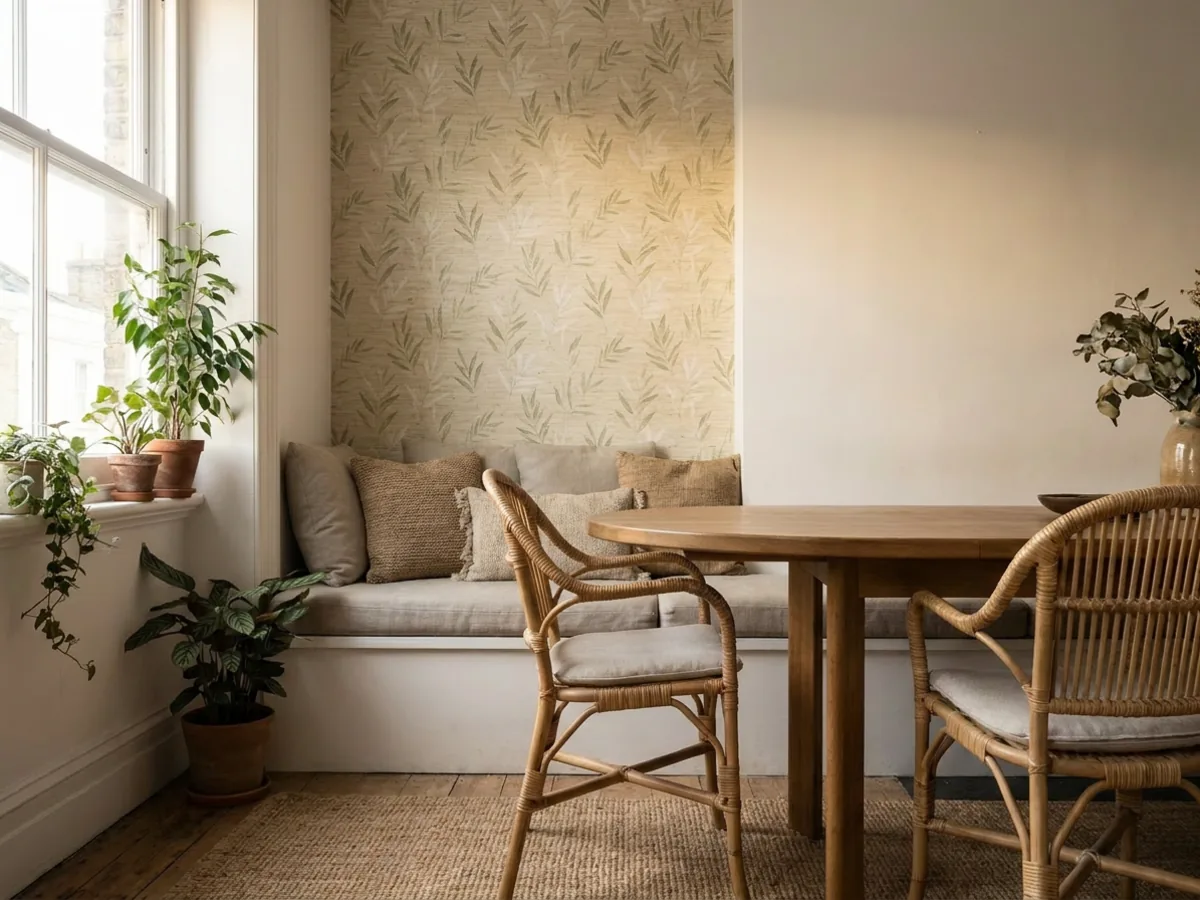
Wallpaper is back as a core design decision rather than an afterthought. The versions leading 2026 suit the mood of the year: botanical prints, textured grasscloth, soft painterly murals, and patterns that mimic natural materials like stone or wood. Used well, it adds exactly the texture and character that warm minimalism leaves room for.
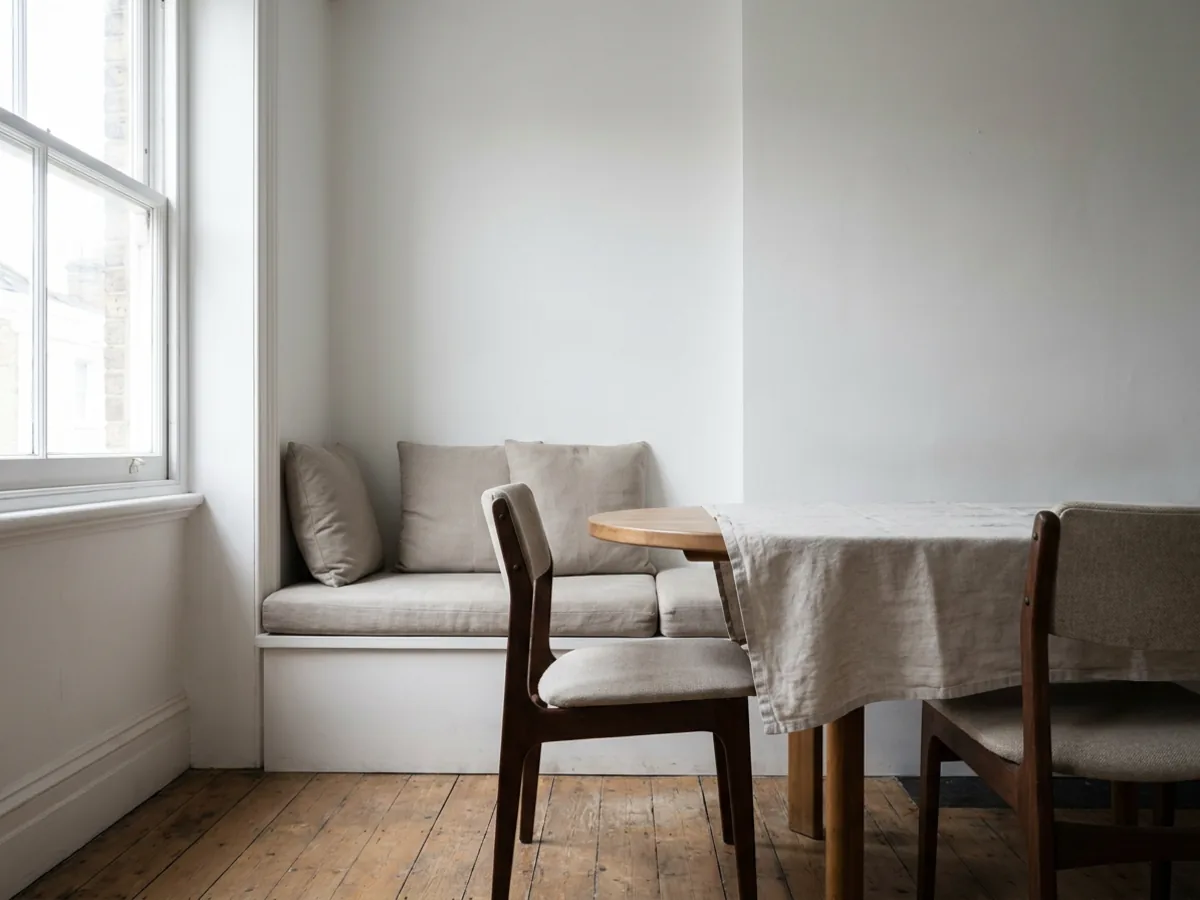
It is also one of the highest-impact changes you can make. A single feature wall resets an entire room, and because it is one surface it is far less daunting than redecorating everything. The catch is that pattern is hard to judge from a small sample taped to the wall, which is exactly the kind of thing worth previewing on your own space first. You can restyle a room from a single photo and see a wallpapered wall in place before you order a single roll.
 Before
Wallpaper
Before
Wallpaper
Modern heritage and modern cottage
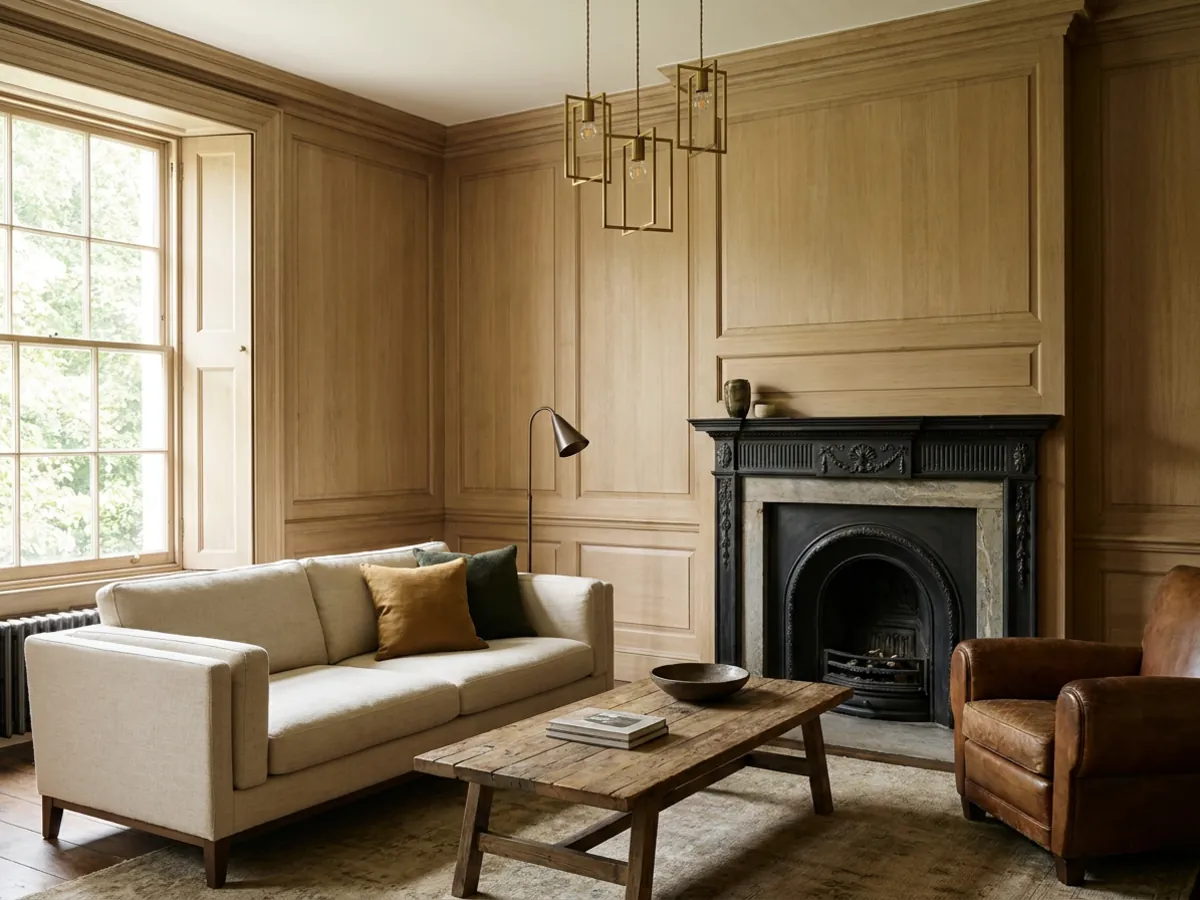
One of the defining movements of the year blends old and new on purpose. Modern heritage, sometimes called modern cottage, pairs timeless architectural details, panelling, period fireplaces, and original millwork with clean-lined contemporary furniture, updated color, and simple modern lighting. The point is that a room feels meaningful and rooted rather than themed or nostalgic.
It is the more grown-up successor to the farmhouse look, which is quietly on its way out after a long run. Where farmhouse leaned on signs, shiplap, and a fixed set of props, modern heritage keeps the good architectural bones and lets everything else feel current. If you live somewhere with period features you have been tempted to cover up, 2026 is the year to lean into them instead and let a few modern pieces do the balancing.
If your home has no period detail to work with, you can add architecture rather than decoration: simple panelling on one wall, a deeper skirting board, or a plain painted arch over a doorway. Keep the color updated and the furniture clean-lined so the result feels intentional rather than like a themed room. The balance to aim for is roughly one part heritage to two parts modern, so the old details feel like grounding rather than the whole story.
Quiet luxury meets dopamine decor
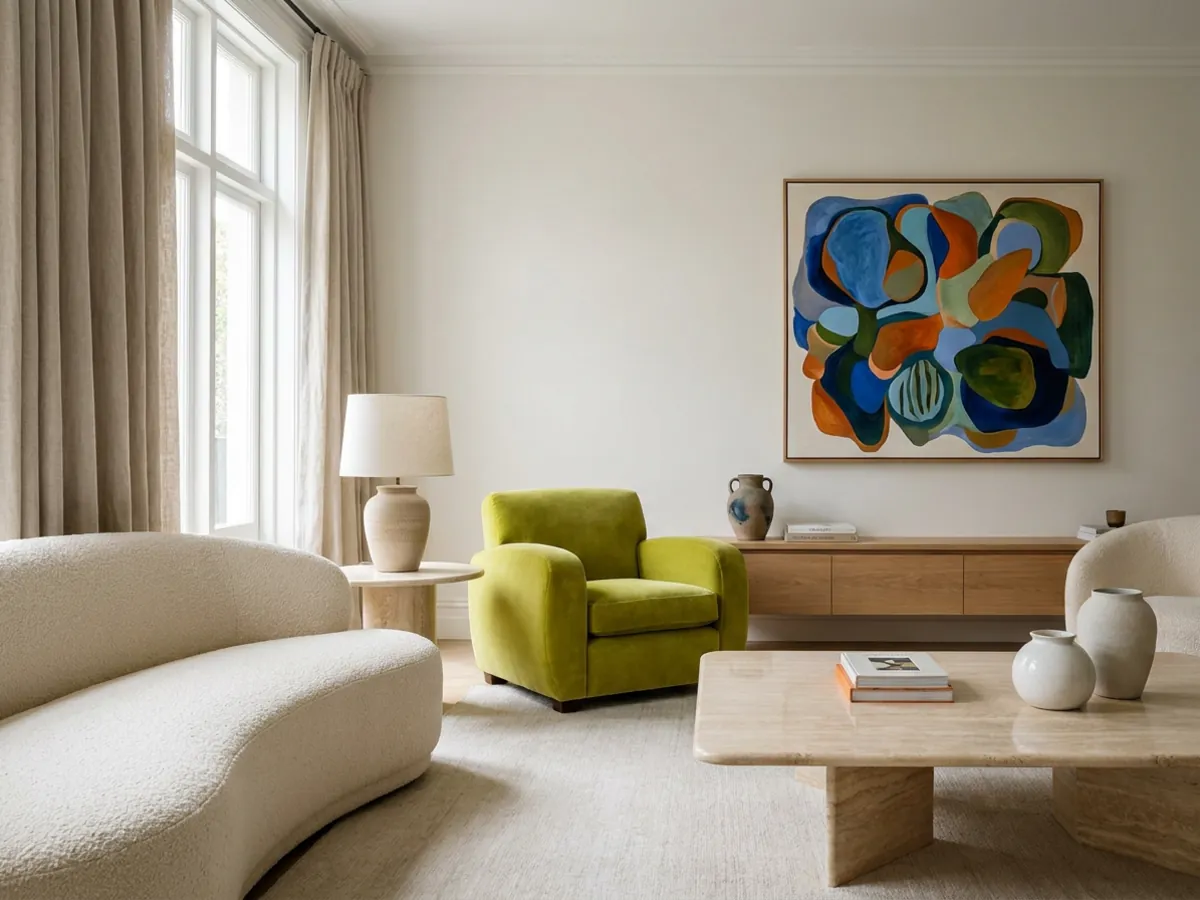
Two opposite ideas have been pulling at interiors, and in 2026 the trend is to blend them rather than pick a side. Quiet luxury is about quality and restraint: good materials, real craftsmanship, sculptural neutral furniture, and soft lighting, with nothing shouting for attention. Dopamine decor is the opposite instinct, using bright, mood-boosting color and playful choices to make a room feel joyful.
On their own, one can feel austere and the other can feel chaotic. Together they solve each other. The move this year is a calm, considered base with a single confident jolt: one vivid armchair in an otherwise neutral room, or one bold piece of abstract color art over a quiet sofa. The room reads as both refined and personal, which is a more honest reflection of how people actually want to live than either extreme managed on its own.
The practical rule is to keep the expensive, permanent things quiet and the cheap, changeable things loud. Sofas, flooring, and cabinetry in calm neutrals will still look right in five years, while the color hit lives in a cushion, a lamp, or a print you can swap on a whim. That way the room gets its personality from the pieces that are easy to change your mind about, and the bones stay timeless underneath.
Statement lighting as sculpture
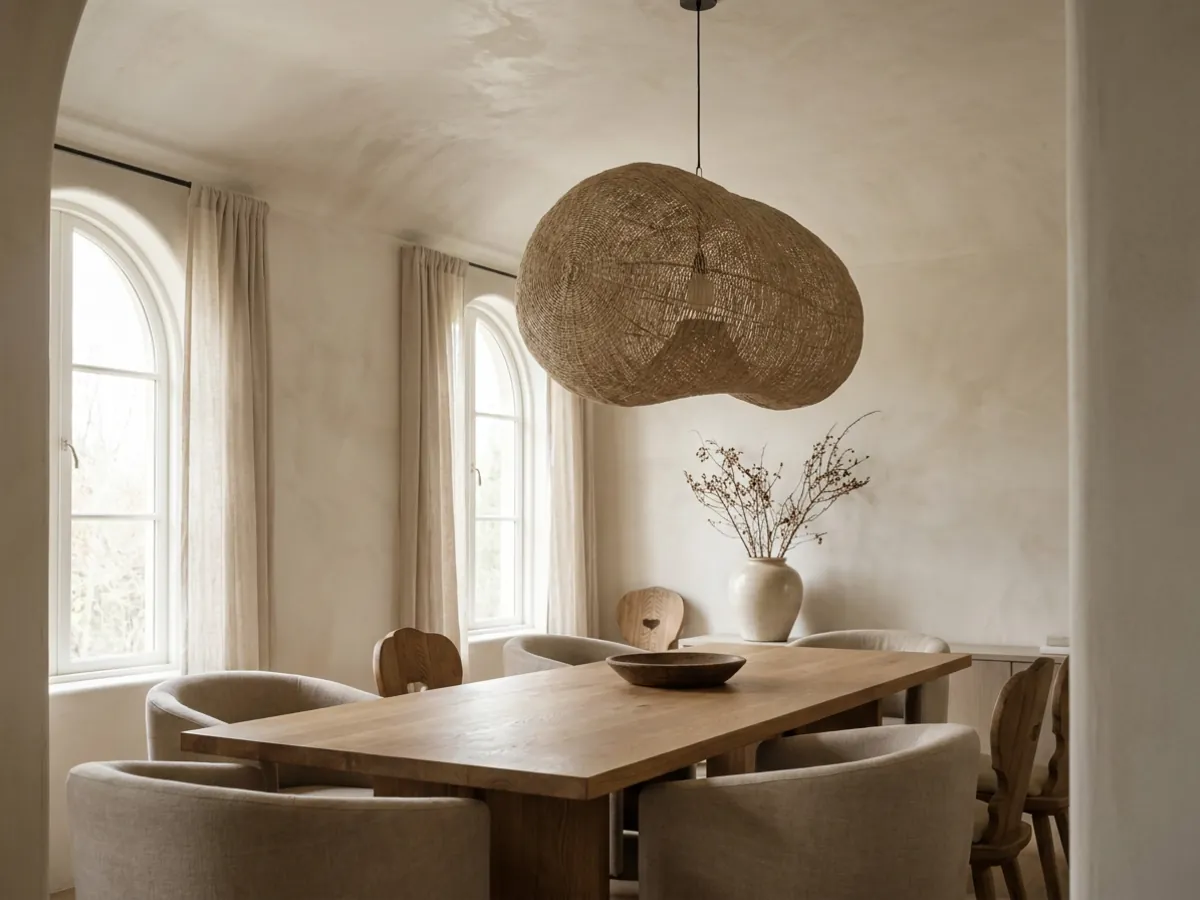
Lighting is being treated as art this year, not just as a source of light. Oversized pendants, sculptural chandeliers, and artistic floor lamps are among the easiest ways to give a neutral room personality, and because a light fixture is one object rather than a whole scheme, it is a low-risk way to make a bold move.
A single well-chosen fixture anchors a space the way a piece of furniture does. An outsized woven or plaster pendant over a dining table, a curved arc lamp reaching over a sofa, or a cluster of hand-blown glass shades turns an ordinary corner into the thing you notice first. In a year built on calm neutrals and natural materials, statement lighting is where a room is allowed to be a little dramatic.
Scale is the whole trick, and it is where most people play it too safe. A fixture that looks big in the shop usually reads as modest once it is up, so err larger than feels comfortable, especially over a table or an island. Let it be the one loud object in the room and keep the rest of the lighting quiet and functional, so the sculptural piece stays the focal point instead of competing with five others.
Grandmillennial details make a comeback
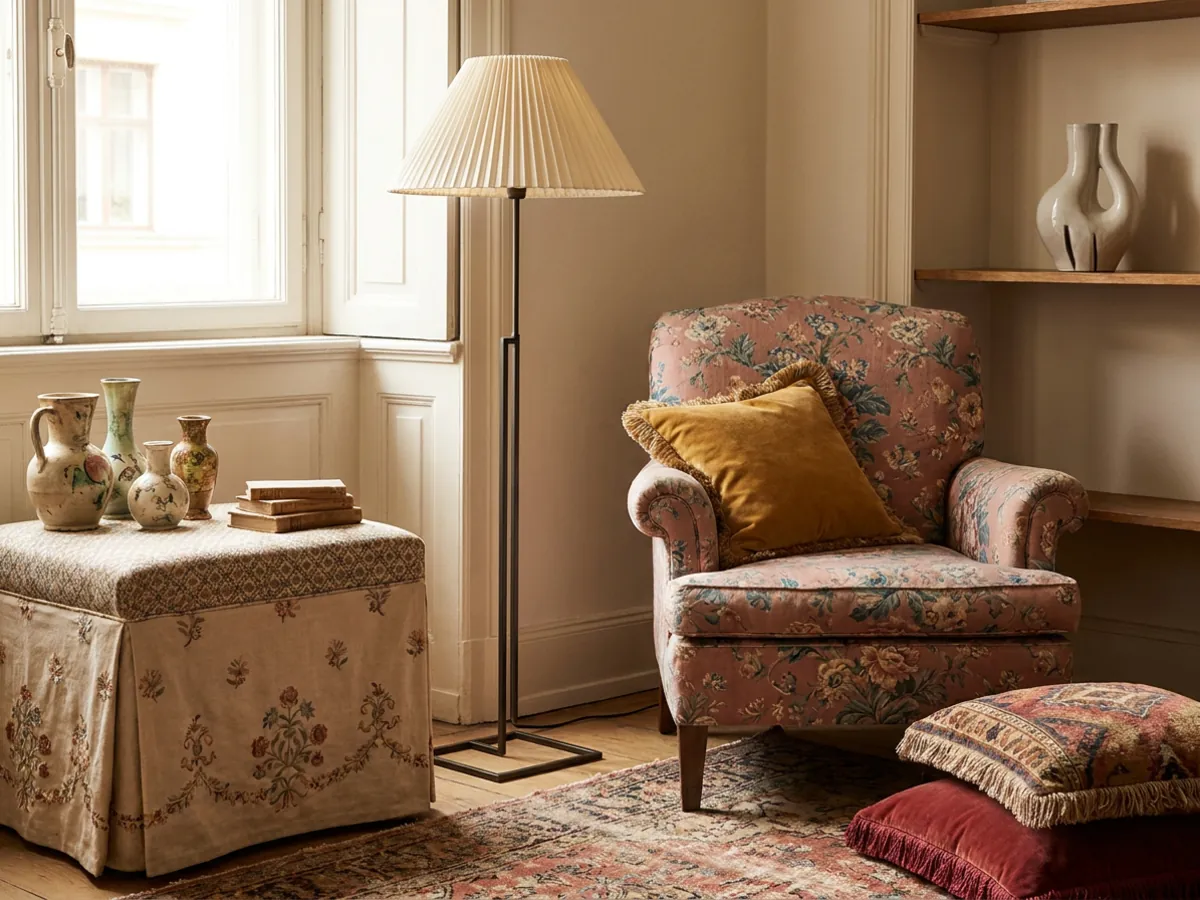
As a counterpoint to all the warm minimalism, decorative detail is having a quiet revival. Grandmillennial style brings back vintage-inspired touches, floral prints, embroidered and fringed cushions, tassels and trims, pleated lampshades, and skirted furniture, but updated so it feels collected rather than heavy or twee.
The trick is pairing those details with contemporary silhouettes. A floral chair in a modern shape, a pleated shade on a simple base, or a single skirted side table reads as character in an otherwise clean room, not as a full period revival. It is the decorative, personal answer to minimalism, and it fits the year's larger theme perfectly: rooms that feel like the people who live in them rather than a showroom.
Restraint is what separates collected from cluttered. Pick two or three of these details for a room, not all of them, and repeat one thread, a color from the floral, a trim that echoes the fringe, so the pieces feel connected rather than random. This is also the most forgiving trend to try secondhand, since a single vintage lamp or an inherited chair does the job better than anything bought new to look old.
What is going out of style in 2026
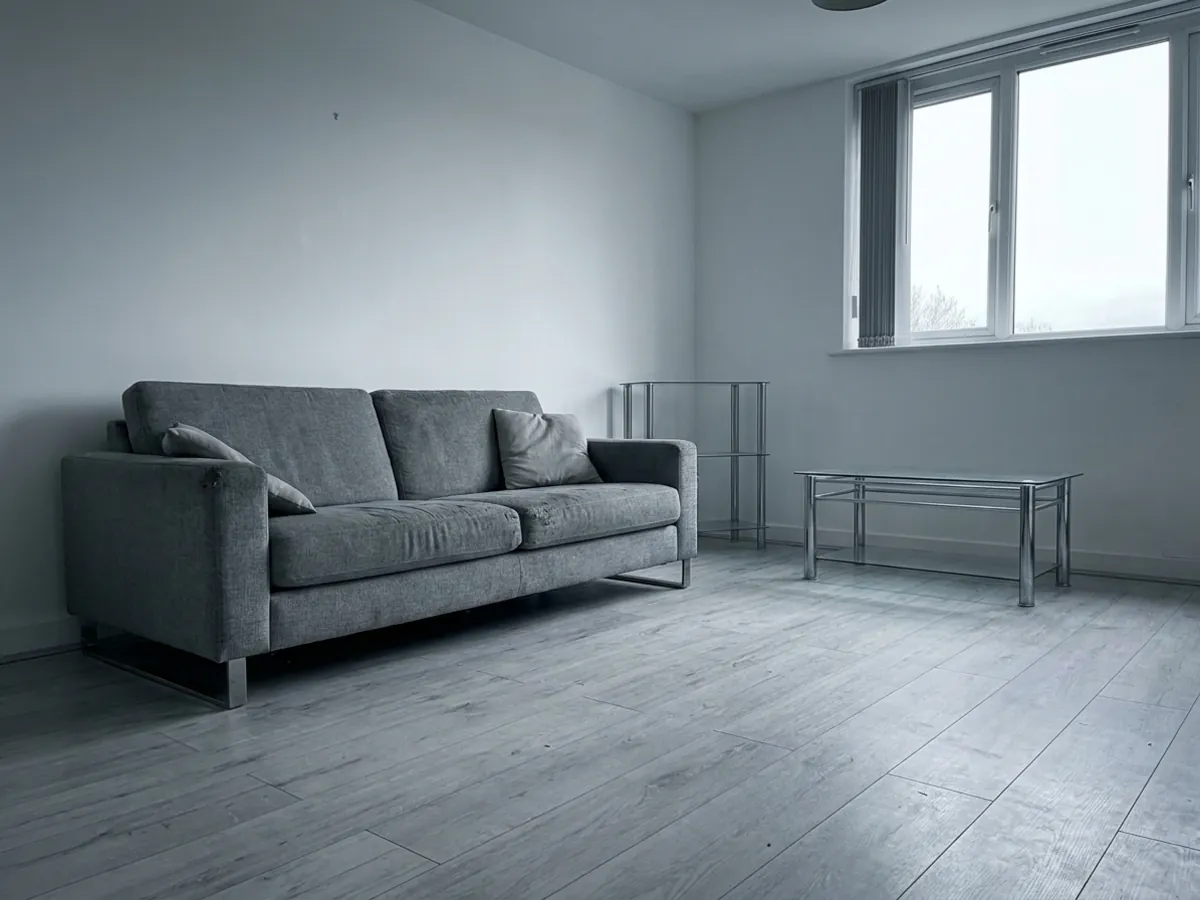
Knowing what is leaving is as useful as knowing what is arriving, because most 2026 updates are really about removing something dated rather than adding something new. None of these looks is wrong if you genuinely love it, but each is fading from the mainstream this year.
- Cold, all-grey minimalism. The biggest casualty of the year. Flat grey walls, greige everything, chrome, and cool laminate now read as sterile rather than sleek. Warmth and natural material are replacing them.
- The stark all-white, light-and-airy look. After a very long run, the blank white box is giving way to creamy, layered, lived-in warmth. White is not gone, but it has warmed up and gained texture.
- Strict modern farmhouse. Shiplap on every wall, sliding barn doors, and word-art signs are dating quickly. Modern heritage, which keeps good architectural bones and loses the props, is the grown-up successor.
- Matchy-matchy furniture sets. The showroom look, a suite bought all at once in one finish, is out. Collected rooms that mix eras, woods, and textures feel far more current.
- Fast, disposable furniture. Flat-pack sameness is losing ground to fewer, better, longer-lasting pieces, secondhand and vintage included. Quality and patina are part of the point this year.
- High-gloss everything and fake plants. Plastic sheen, ultra-glossy lacquer, and obvious faux greenery clash with the year's emphasis on real, tactile, honest materials and living plants.
The common thread is that anything cold, synthetic, or bought as a matched set is on the way out, and anything warm, natural, and gathered over time is on the way in. If a room feels dated, one of the items above is usually why.
2026 trends room by room
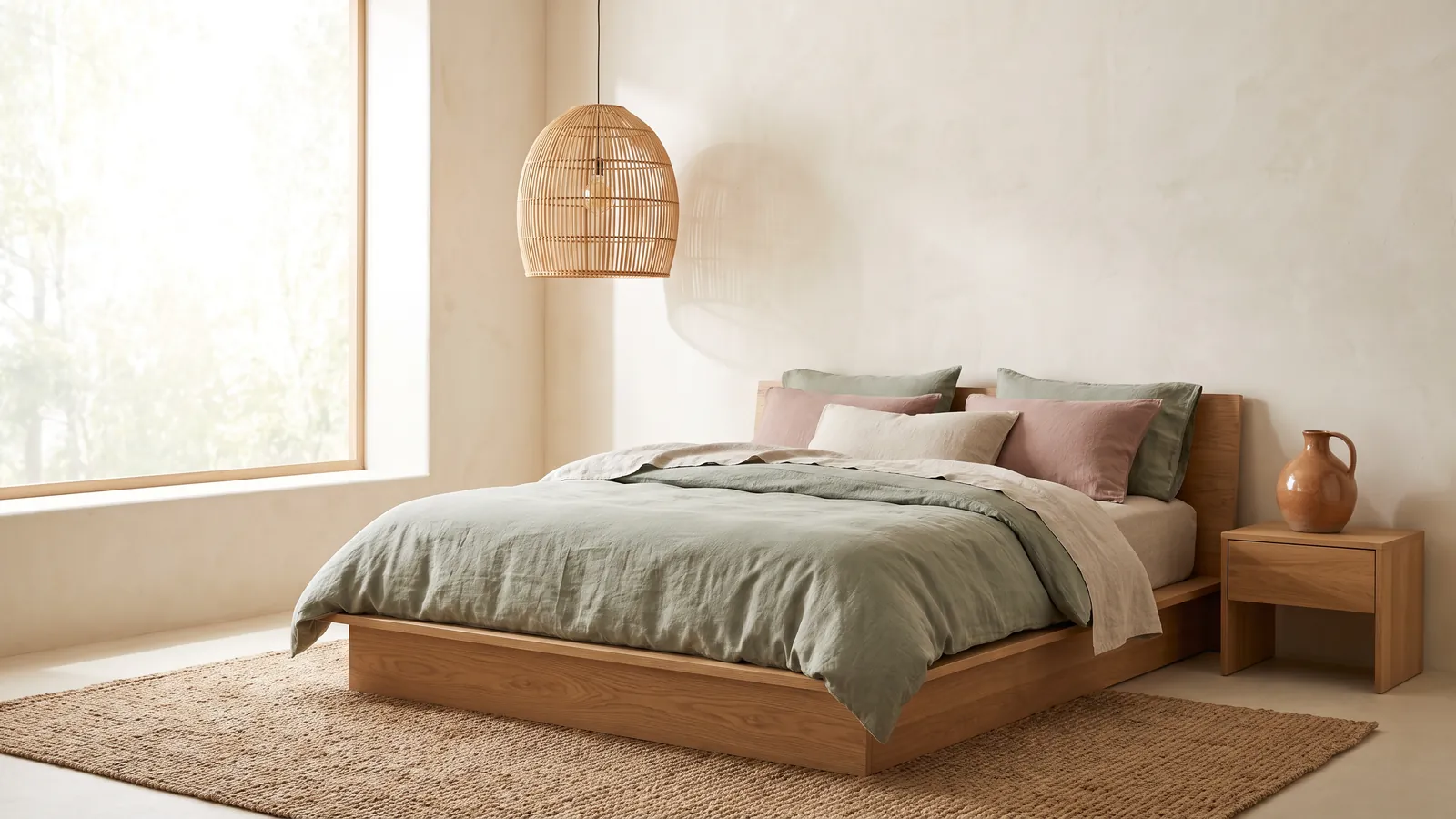
The year's ideas land a little differently in each room. Here is how the trends translate into the spaces people most often want to update.
Living room
This is where the headline trends show up most: a curved sofa in a warm boucle or linen, an earthy accent or two, a sculptural statement light, and a natural-fiber rug to ground it. Keep the large pieces calm and neutral and let one confident element, a bold armchair, a piece of color art, or a wallpapered chimney breast, carry the personality. A single feature wall or one curved shape usually does more for a living room than a whole new furniture set.
Bedroom
Bedrooms lean into the restful side of the palette: muted blues, sage greens, clay, and warm neutrals rather than bright color. A low oak or cane bed, layered linen bedding, soft and diffused lighting instead of a single harsh overhead, and a few natural textures make the room feel calm and grounded. This is the room to keep the most pared back, since calm is the whole job.
Kitchen
Kitchens are moving away from cold grey and stark white toward warm wood and painted cabinetry in muted greens, clay, and soft off-whites, often two-toned. Expect rounded islands, unlacquered brass or aged hardware, natural stone with real veining, and open shelving in warm oak. Even without a full renovation, new cabinet fronts or a repainted island and warmer hardware move a kitchen firmly into 2026.
Bathroom
Bathrooms are going spa-like and natural: muted, restful color, natural stone and handmade zellige tile, warm metals instead of chrome, timber vanities, and real greenery. The all-white clinical bathroom is being replaced by something that feels calm, textured, and closer to a small retreat.
Home office and dining
Home offices are getting warmer and less corporate, with oak desks, soft task lighting, and a plant or two so the space is somewhere you actually want to sit. Dining rooms are anchored by an oversized sculptural pendant and a mix of natural materials, with wallpaper or a warm wall color making the room feel like a destination rather than a passthrough.
How to update your home for 2026 on any budget
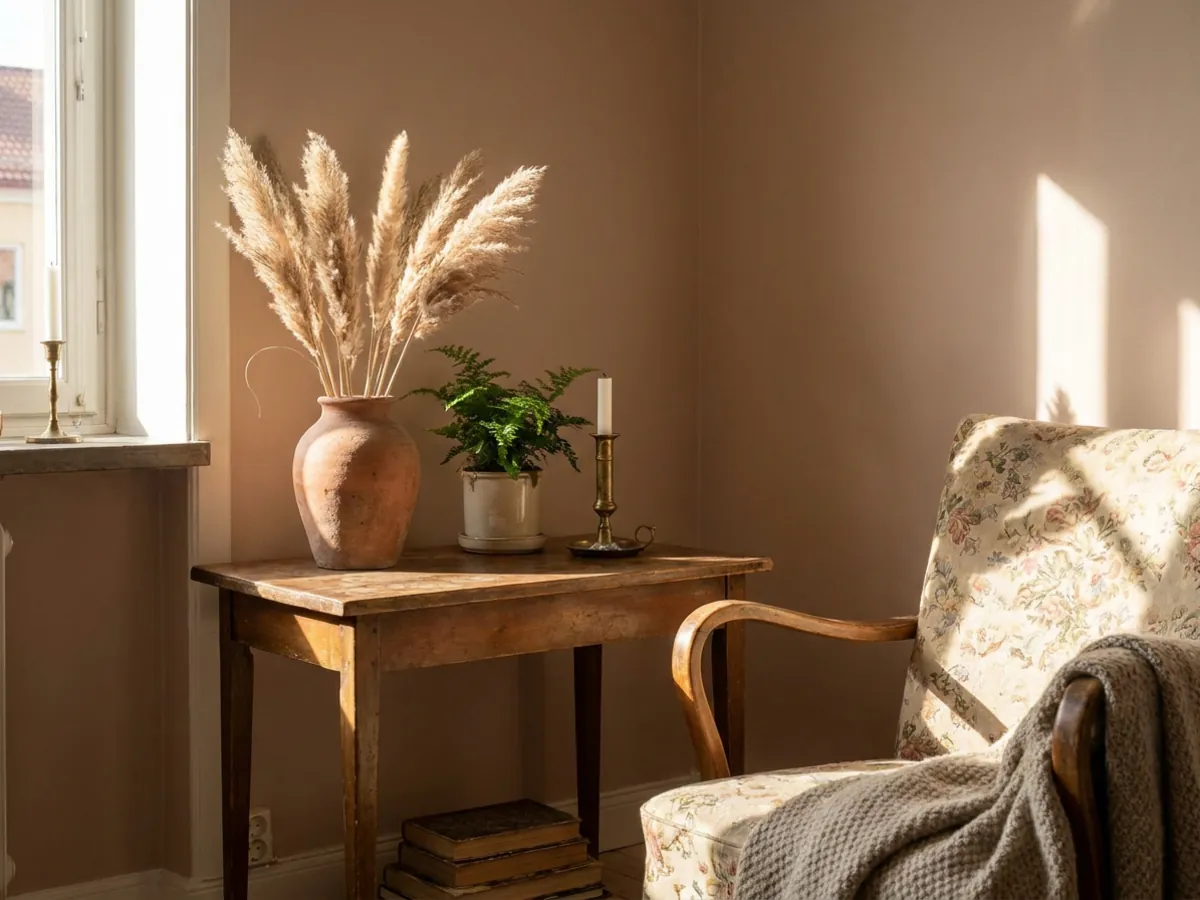
Because 2026 is about warmth, texture, and editing rather than buying the newest thing, a lot of it costs little or nothing. Here is how to reach the look at three levels of spend.
Free or nearly free. Declutter and clear your surfaces, since the calm the year is chasing starts with less on show. Rearrange what you have so one curved or characterful piece stands out. Swap cool-toned textiles for warmer linen and wool, add a plant or two, and bring in a few thrifted natural-material objects, a ceramic vessel, a wooden bowl, a basket. Secondhand and vintage pieces fit the collected, gathered-over-time look better than anything new.
A modest budget. Paint is the highest-impact change you can make: a warm off-white or soft clay on the walls resets a room instantly, and a single wallpapered feature wall resets it even harder. One curved piece, a sculptural light fixture, unlacquered brass hardware, and a natural-fiber rug will each move a room toward 2026 for far less than a renovation.
A bigger project. If you are renovating anyway, this is the year to replace cool grey flooring with warmer wood, bring in natural stone or handmade tile, add simple panelling or restore period detail, and choose warm, characterful cabinetry over cold flat-fronts. Because these are the expensive, permanent decisions, they are exactly the ones worth previewing on your actual room before you commit.
Whatever the budget, the cheapest mistake to avoid is buying for a trend that turns out to be wrong for your space. That is what the next section is for.
See a 2026 trend in your own room
A trend is far easier to judge on your own walls than in someone else's studio photo. Warm minimalism might be exactly right for your living room or completely wrong for its light, and a botanical wallpaper that looks perfect here could overwhelm your actual space. The honest way to decide is to see the look on the room you already have.
That is what an AI room design tool does. It works in three plain steps: upload a photo of your room, pick a 2026 look such as warm minimalism or an earthy palette, and see a restyled version of your actual space to compare against the original. Your walls, windows, and layout stay exactly as they are, so what you are looking at is your room in the new style, not a generic example of it. You can even turn a redesigned room into a short video walkthrough to get a feel for it in motion.
The first render is free, so you can preview a trend before buying anything or committing to a color. It is a calm, low-stakes way to test the year's looks against your real space, and to find out which ones actually belong in your home. When you are ready, try the AI room design tool on your own photo, or read more about the AI interior design software behind it. Clean, high-resolution downloads come with a paid plan whenever you want them.
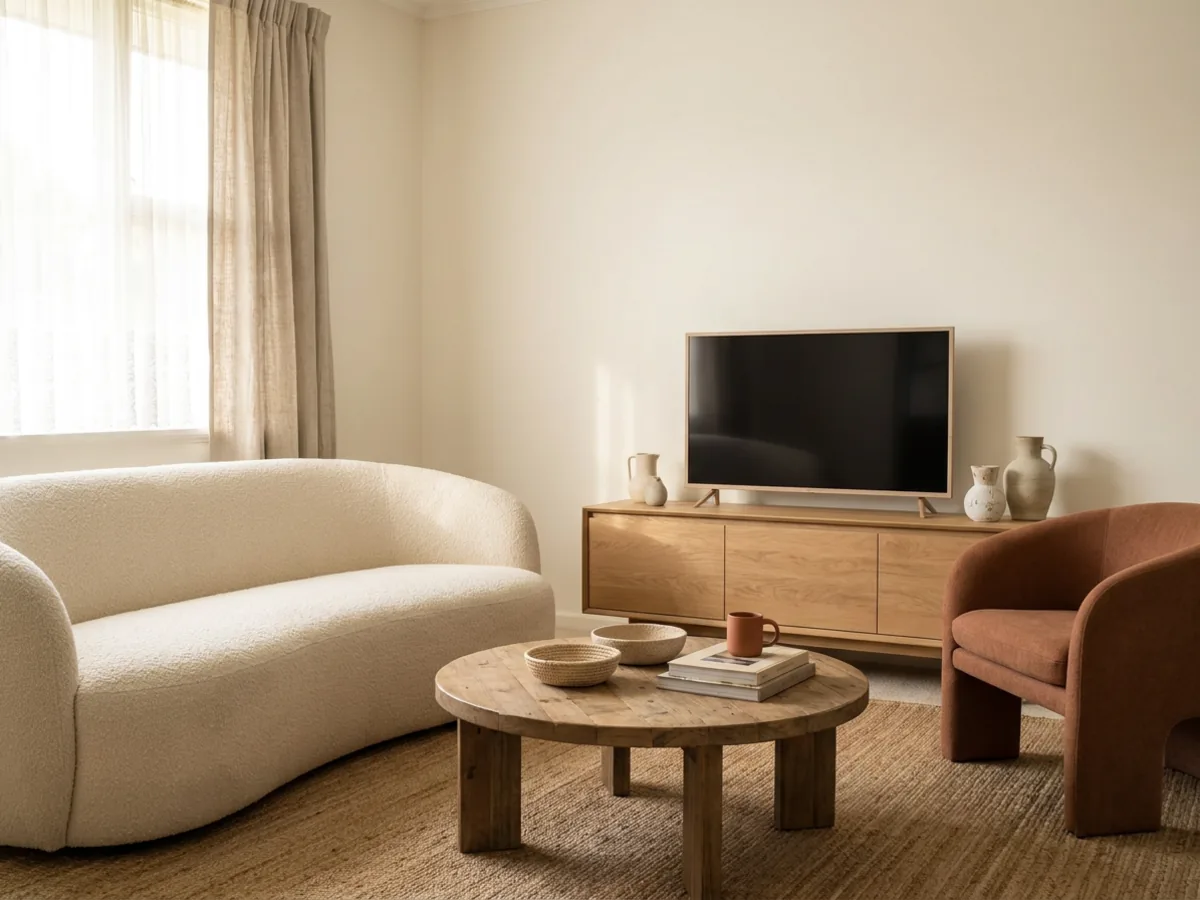
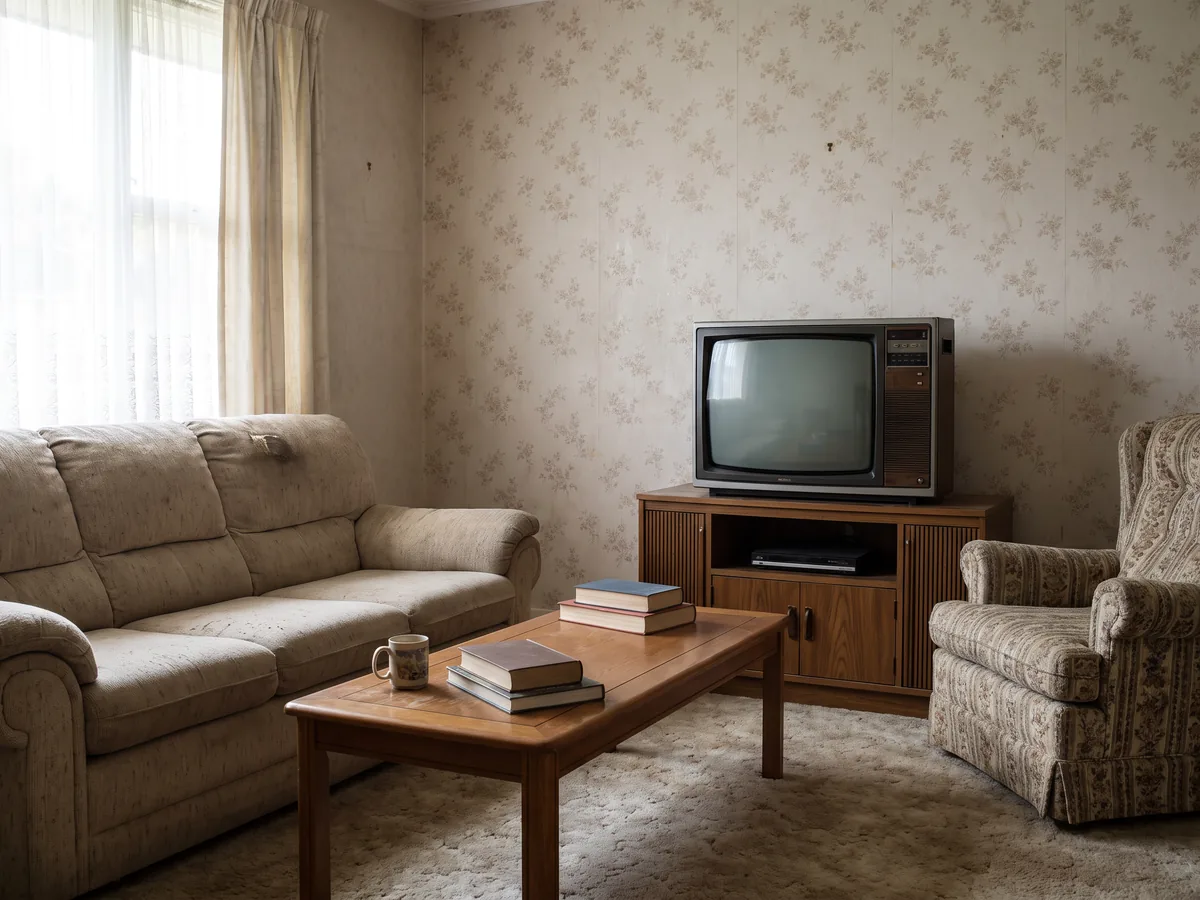 Before
2026 restyle
Before
2026 restyle
Frequently asked questions
What are the biggest home decor trends for 2026? +
The year leans toward warm, layered, lived-in spaces. Expect warm minimalism, earthy and moody color, sculptural organic shapes, natural tactile materials, and a strong return of wallpaper and pattern. The common thread is a move away from cold minimalism toward rooms that feel more personal and human.
What colors are trending for 2026? +
Grounded, nature-inspired tones lead, including terracotta, ochre, chocolate brown, deep olive green, and burgundy, layered over creamy warm neutrals. Muted blues and greens are popular in bedrooms and bathrooms for a calm, restorative feel. Warm whites are quietly replacing cool greys on walls and upholstery.
What home decor is going out of style in 2026? +
The all-grey, cold minimalist look and the stark light-and-airy palette are fading after a long run. Overly matched, sterile rooms are giving way to warmth, texture, and personality. Rather than following one rigid formula, 2026 favors layered spaces that reflect the people who live in them.
What is warm minimalism? +
Warm minimalism keeps the uncluttered, calm feeling of minimalism but swaps cold greys and stark whites for creamy neutrals, natural wood, and tactile fabrics like linen and wool. The result still feels simple and orderly, but reads as inviting rather than clinical. It is one of the defining looks of 2026.
What is dopamine decor? +
Dopamine decor is a playful approach that uses bright, mood-boosting color and bold combinations to make a room feel joyful. In 2026 it is often paired with calmer quiet-luxury interiors, so a neutral space might gain one vivid armchair or a bold piece of art rather than going bold everywhere. The idea is self-expression in measured doses.
Is minimalism still in style in 2026? +
Minimalism is not gone, but it has warmed up. The cold, all-white, clutter-free version is giving way to warm minimalism, which keeps the calm and order while adding natural materials, soft neutrals, and tactile layers. So the discipline stays, and the chill leaves.
How can I see what a 2026 trend would look like in my own room? +
You can upload a photo of your room to an AI room design tool and restyle it into a 2026 look in a few moments, then compare the result against the original. This lets you test warm minimalism, an earthy palette, or a wallpaper feature wall before buying anything. The first render is free, so you can preview a trend at no cost.
Where do I start if I want to refresh a room for 2026? +
Start with warmth and subtraction rather than buying. Swap cool greys for creamy neutrals, add one natural material and one curved shape, and let a single feature, a wallpaper wall or a sculptural light, carry the room. Previewing the change on a photo of your actual space first is the cheapest way to avoid a mistake.
What is quiet luxury in interior design? +
Quiet luxury is a look built on quality and restraint rather than logos or flash: good materials, real craftsmanship, sculptural neutral furniture, and soft lighting, with nothing shouting for attention. In 2026 it is usually paired with one bold, personal accent so a calm, considered room still feels like yours rather than a showroom.
What flooring and materials are trending for 2026? +
Warm, natural, and tactile lead. Expect richly grained and reclaimed wood, natural stone with dramatic veining, handmade and zellige tile, unlacquered brass and other metals that patina, and natural fibers like jute, wool, and linen. Cool grey laminate and high-gloss synthetic finishes are on the way out in favor of materials with real grain and texture.
How do I make my home feel warmer without renovating? +
Change the temperature of the room rather than its structure. Repaint cool grey walls in a warm off-white or clay, swap cool-toned textiles for linen and wool, add natural wood and a plant or two, and switch harsh overhead light for softer, layered lamps. These are low-cost changes, and together they move a cold room firmly into the warm, layered feeling that defines 2026.
Are open-plan and all-white rooms still in style in 2026? +
Both are softening rather than disappearing. Open-plan spaces are being broken up a little with rugs, curved furniture, and zones so they feel warm rather than cavernous, and the stark all-white room is giving way to creamy, layered warmth with texture. The underlying space stays, but the cold, blank version of it is what is dating.
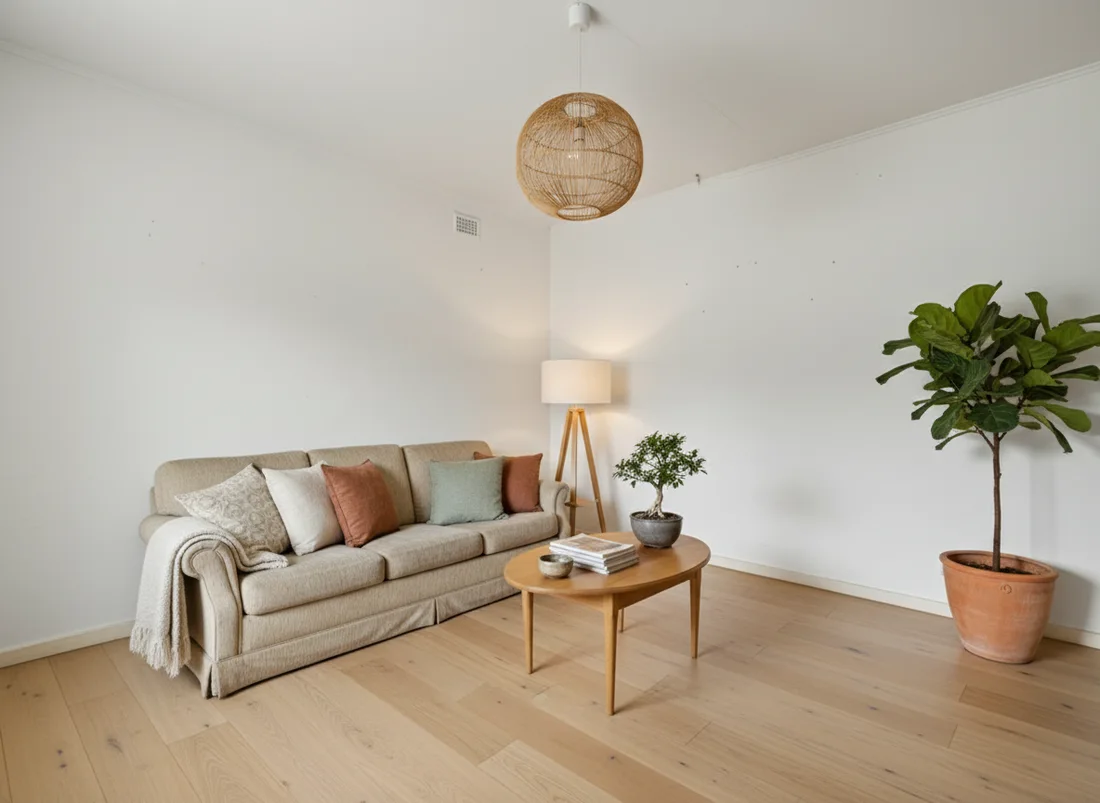 After
After
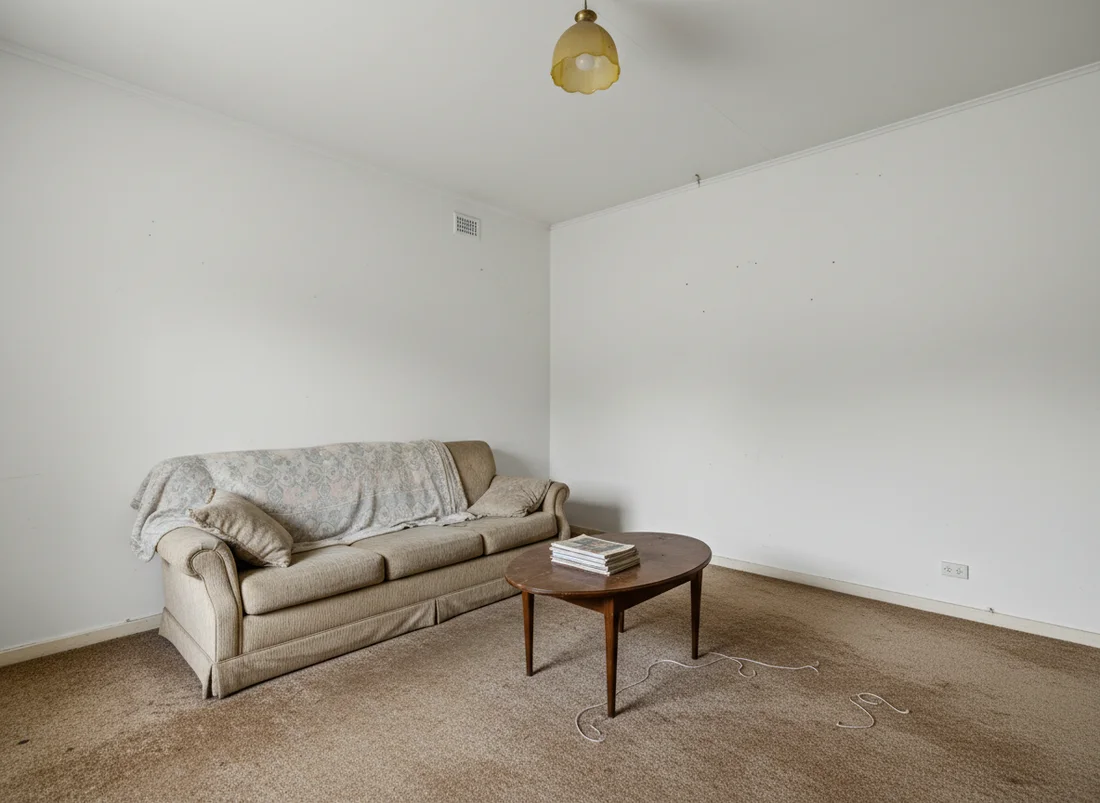 Before
See it on your own room
Your room, redesigned
Upload one photo and watch your room restyled in a wide range of designer looks. Your walls, windows and layout stay exactly as they are.
Try it free, no signupOne photo. In seconds. No signup.