restylai blog
Is Virtual Staging Worth It? Honest Pros and Cons
Updated July 19, 2026 · by the restylai team
Is virtual staging worth it? The short answer
For most empty or dated rooms, yes, virtual staging is worth it, because it costs a small fraction of moving real furniture in and is ready in a fraction of the time. But that "yes" comes with two conditions: the result has to look realistic, and it has to be clearly disclosed. Get those right and it is a genuinely useful tool. Get them wrong and it works against you.
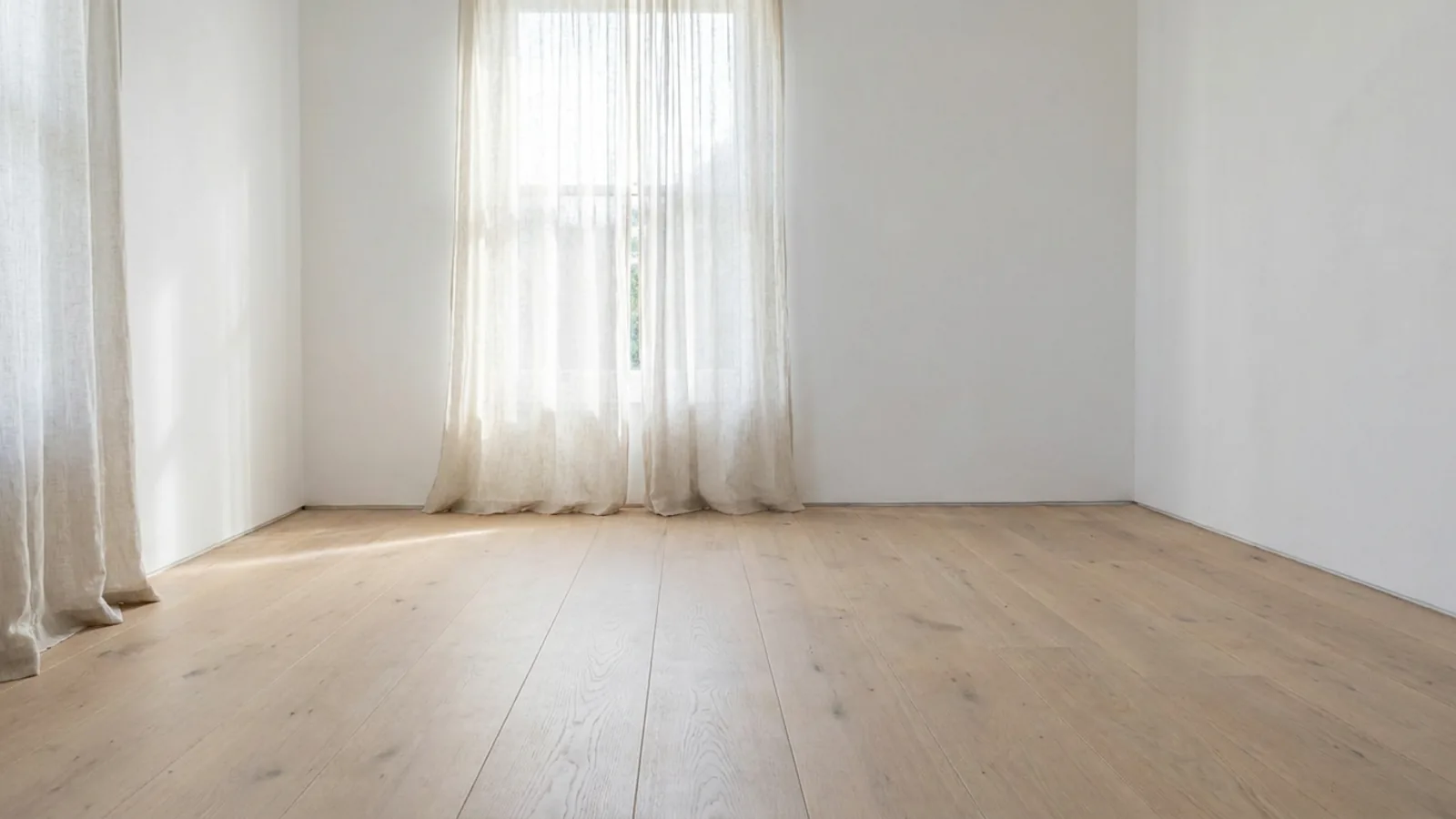
Three things decide it, and the rest of this guide weighs each honestly rather than selling you the service: quality, cost against what it replaces, and honest labeling. It is worth knowing up front that an empty room and a furnished version of the exact same room can pull very different amounts of attention in an online listing, which is the whole reason the question comes up.
What virtual staging actually is, and what it is not
 Before
Staged
Before
Staged
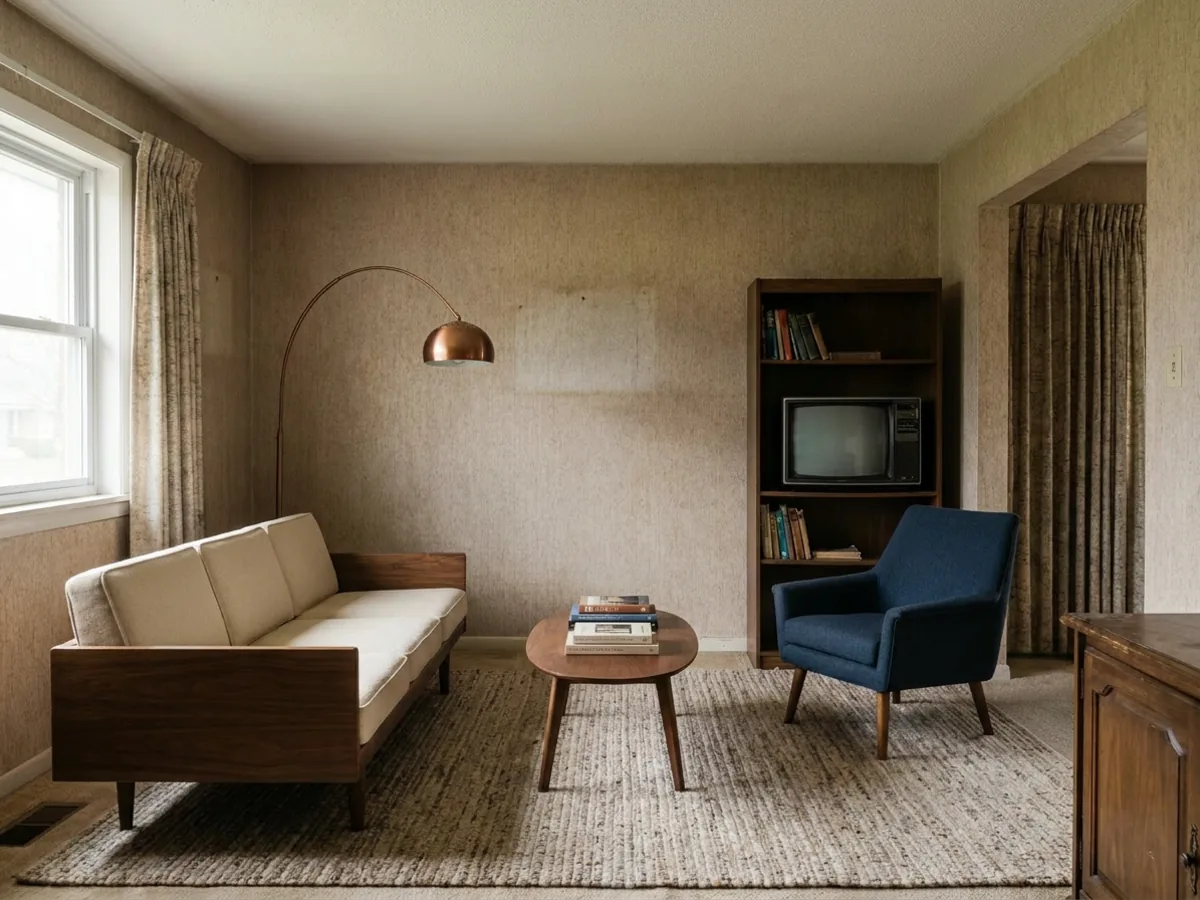
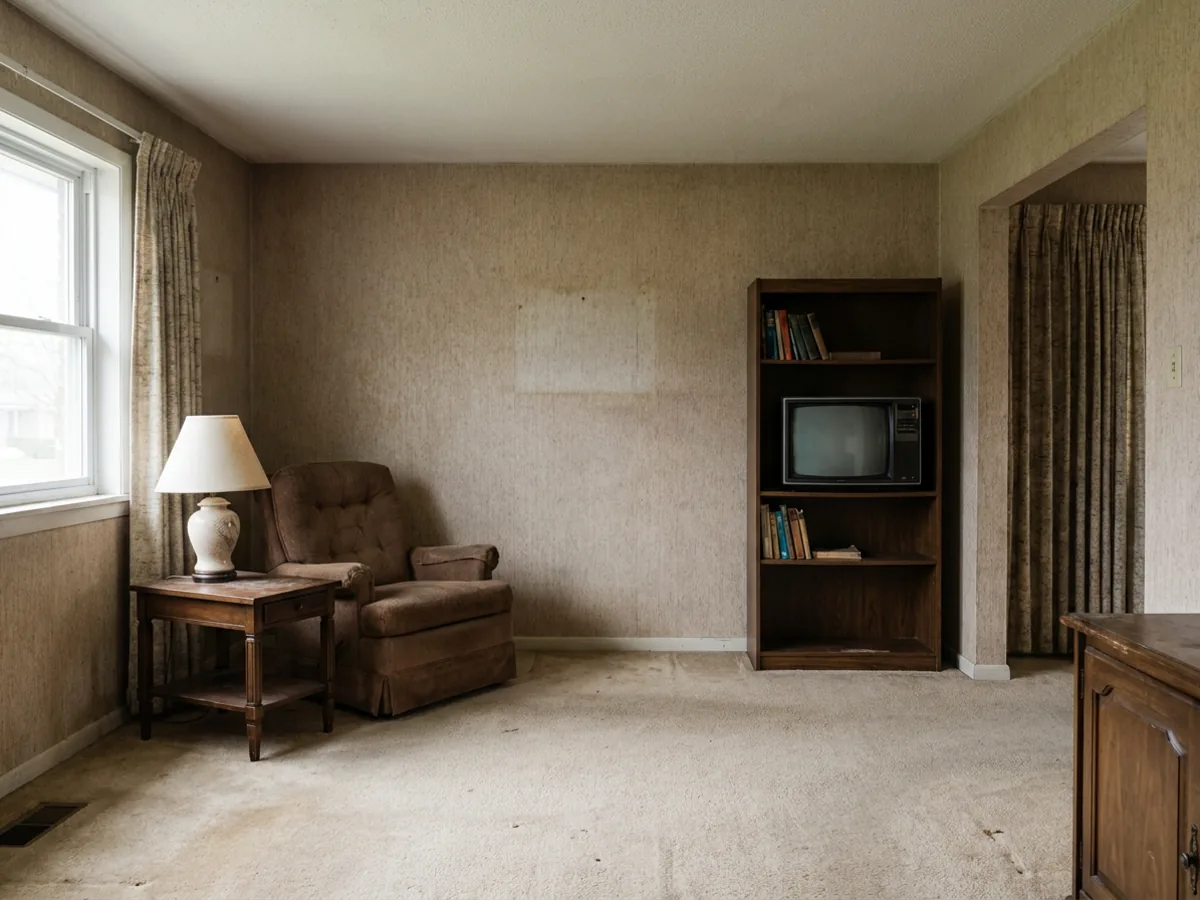
Virtual staging means adding digital furniture and decor to a photo of a real room so viewers can picture the space in use. That is the whole of it. What it is not, and must never be, is a change to the walls, windows, layout, or the actual condition of the room. Adding a sofa and a rug is staging. Erasing a damp patch or making a room look bigger is misrepresentation, and a different thing entirely.
It also differs from a renovation render or an AI restyle that changes finishes and materials. Virtual staging furnishes a real photo and leaves the architecture alone. Modern AI tools do it from a single uploaded photo in under a minute, where the older workflow meant sending photos to a designer and waiting a day or two.
How much virtual staging costs versus traditional staging
The money comparison is the strongest reason people consider it, and it is not close. Traditional in-person staging commonly runs into the thousands, often $2,000 to $6,000 or more per home, and takes days to schedule because it involves renting and moving real furniture. Virtual staging is a fraction of that: professional human-edited services commonly run roughly $16 to $75 per photo, and AI tools cost only a few dollars or less per image with near-instant turnaround.
The tradeoff is honest and simple. On one side, far lower cost and speed. On the other, virtual furniture does not physically fill the room when a buyer walks through it in person. That single distinction is what the rest of the decision turns on, and it is why many sellers use both: physical staging for in-person showings, virtual for the online photos that get the first click. The first render on an AI staging tool is free, so you can judge the quality before spending anything.
The honest pros of virtual staging
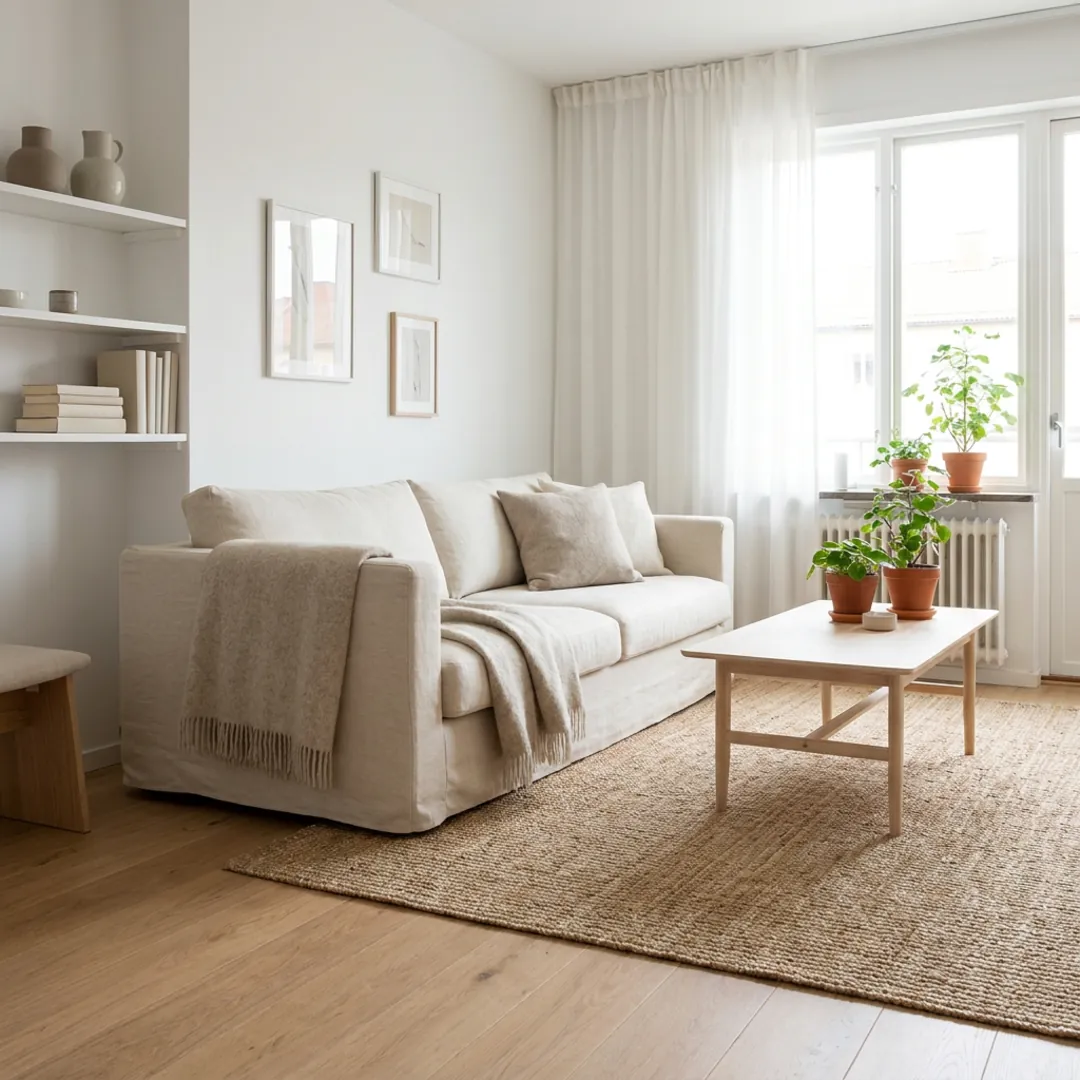
The real upsides, kept measured:
- Much lower cost. A few dollars or a modest per-photo fee against thousands for physical staging.
- Fast turnaround. Minutes with AI, versus days to schedule furniture.
- Preview several styles. You can see the same room in different looks and pick the one that photographs best, which physical staging cannot do without restaging.
- No logistics. No movers, no delivery, no risk of damage to the home or the furniture.
- A stronger first impression online. Since most listings are first seen on a screen, a furnished photo that helps a viewer picture the space matters where the decision to click actually happens.
The most cited benefit, that staged listings tend to attract more views and interest than empty ones, is a well-observed pattern in real estate rather than a guarantee for any single home. Treat it as a reason it usually helps, not a promise of a specific result.
The honest cons, and where virtual staging falls short
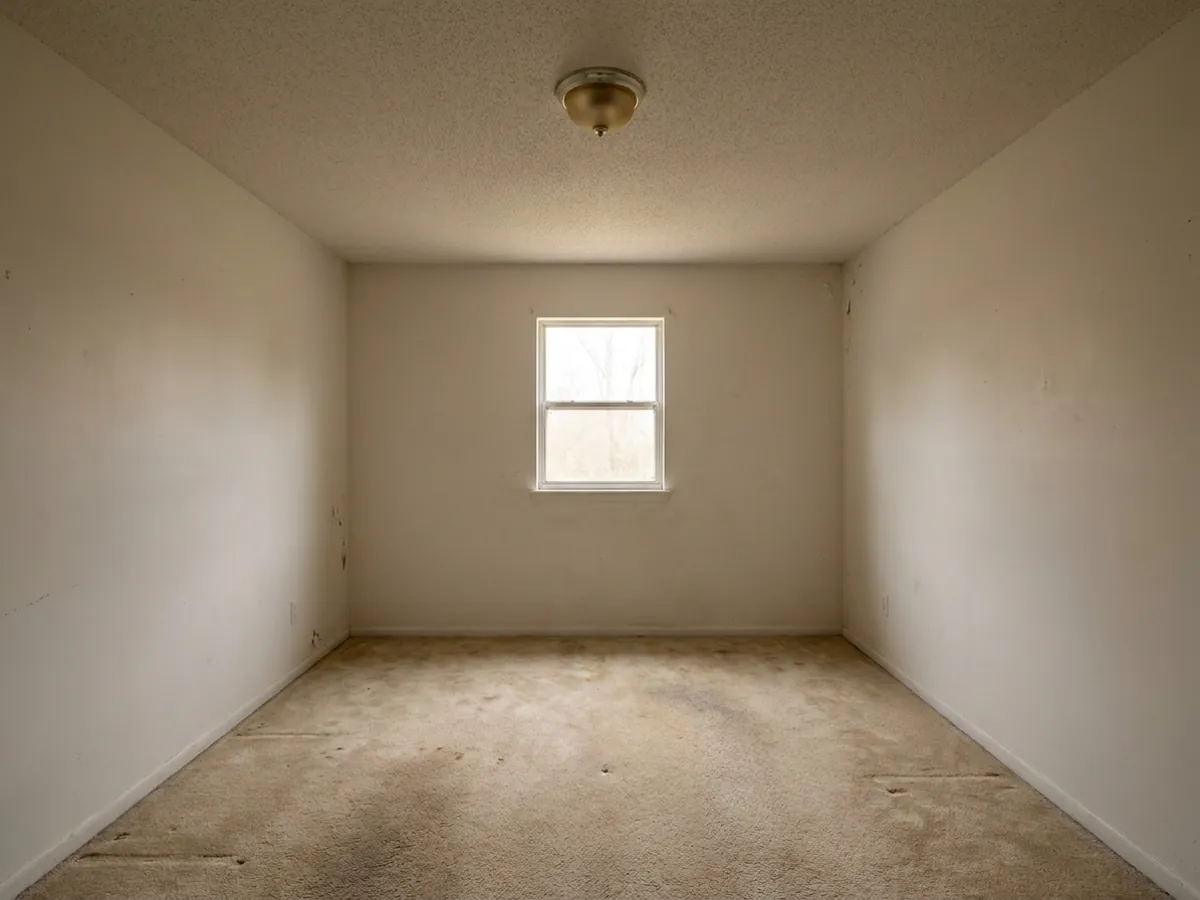
This is the section the vendor pages skip, and it is where the honest weight sits.
- The in-person disconnect. A viewer who sees a furnished photo and then arrives to an empty room can feel let down, which is why disclosure and expectation-setting matter.
- Bad edits sink the whole listing. Wrong scale, floating rugs, missing or mismatched shadows, and light that does not match the window all read as fake, and one obviously edited photo makes a buyer doubt every photo.
- The temptation to hide problems. Staging can tempt someone to paper over damage or dated finishes, which crosses into misrepresentation and can carry real consequences.
- It cannot fix a bad layout. Furniture in a photo does not solve a genuinely awkward floor plan; it only dresses it.
Notice that almost every con comes down to quality and honesty, and both are within your control. A realistic edit that is clearly disclosed avoids nearly all of them.
Is virtual staging realistic in 2026?

Yes, when it is done well. Modern tools, especially AI restyling from a real photo, can produce results that are hard to tell apart from a physically staged room, with correct scale, natural shadows, and believable materials. The realism gap now is mostly about the tool and the input photo, not the concept.
Two things keep it realistic. First, a clear, well-lit source photo, since the AI can only work with what it is given. Second, keeping the room's real architecture untouched, so the furniture sits inside a space that is genuinely yours. The honest way to judge whether a given tool clears the bar is not to trust the marketing but to run one of your own photos through it and look closely at the scale and the shadows. A free first render makes that test cost nothing.
Do buyers like virtual staging?

Generally, yes, when two conditions hold: it looks realistic and it is clearly labeled. Furnished photos help viewers imagine a use for an empty room, which is exactly what makes a listing easier to engage with. What buyers dislike is feeling misled, either by an obvious fake or by a hidden condition problem they discover in person.
The rule that keeps them on side is simple: disclose the staging, and where possible show the original unfurnished photo alongside the staged one, so nothing is concealed. Transparency is what turns staging from a trick into a helpful preview, and it costs you nothing except a caption.
Virtual staging disclosure rules in 2026
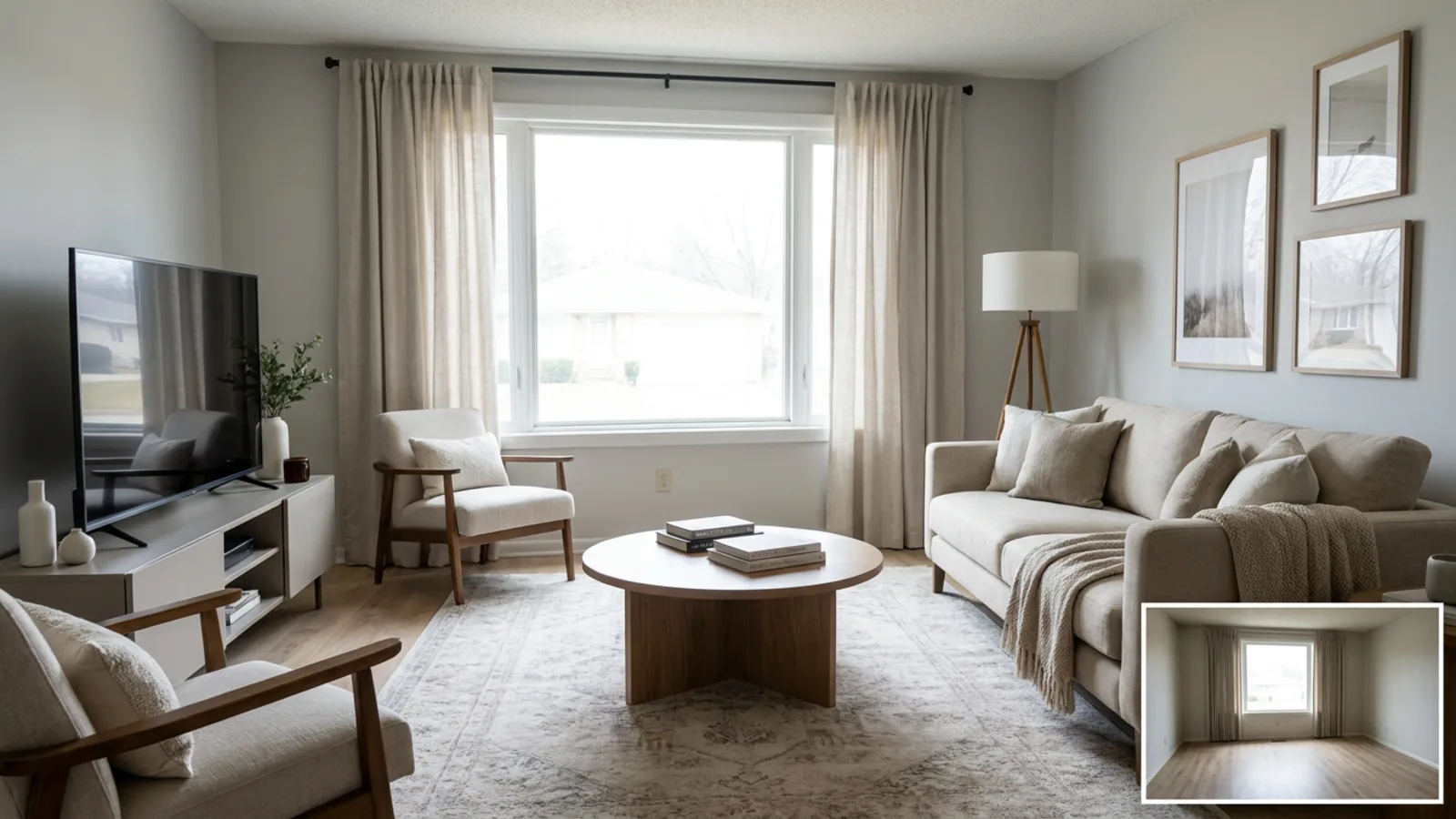
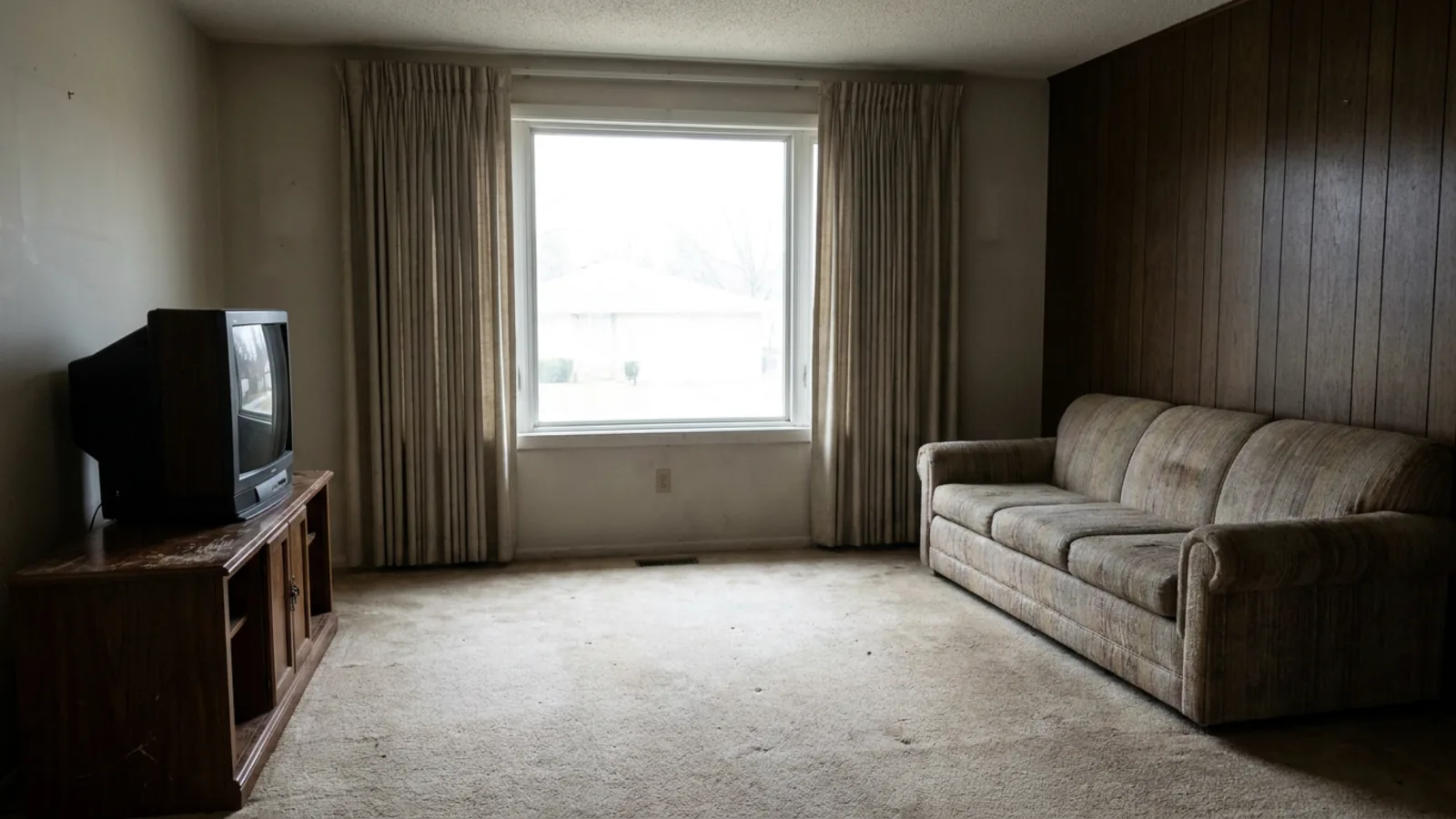 Before
Staged, disclosed
Before
Staged, disclosed
This is the part the topic demands, and getting it right is what builds trust. The consistent principle everywhere is that virtual staging is allowed but must be disclosed. Industry guidance from the National Association of Realtors and the rules of most MLS systems require clear disclosure of digitally altered listing photos, and portals apply their own version. On Zillow, for example, the original architecture must stay unchanged, only furniture and decor may be added, the layout and features must not be misrepresented, and the staging should be disclosed in the photo caption.
Local law is tightening on top of that. Some US states have introduced specific requirements to disclose virtually staged or digitally altered listing photos, with California's taking effect in 2026, and more are likely to follow. Rather than track every rule, the practice that travels safely is this: label the edited image itself rather than relying only on a caption that may not survive syndication, keep the original unaltered photo available, and never use staging to hide the room's real condition. This is general guidance, not legal advice, so check the specific rules that apply where the property is listed.
When virtual staging is worth it, and when to skip it
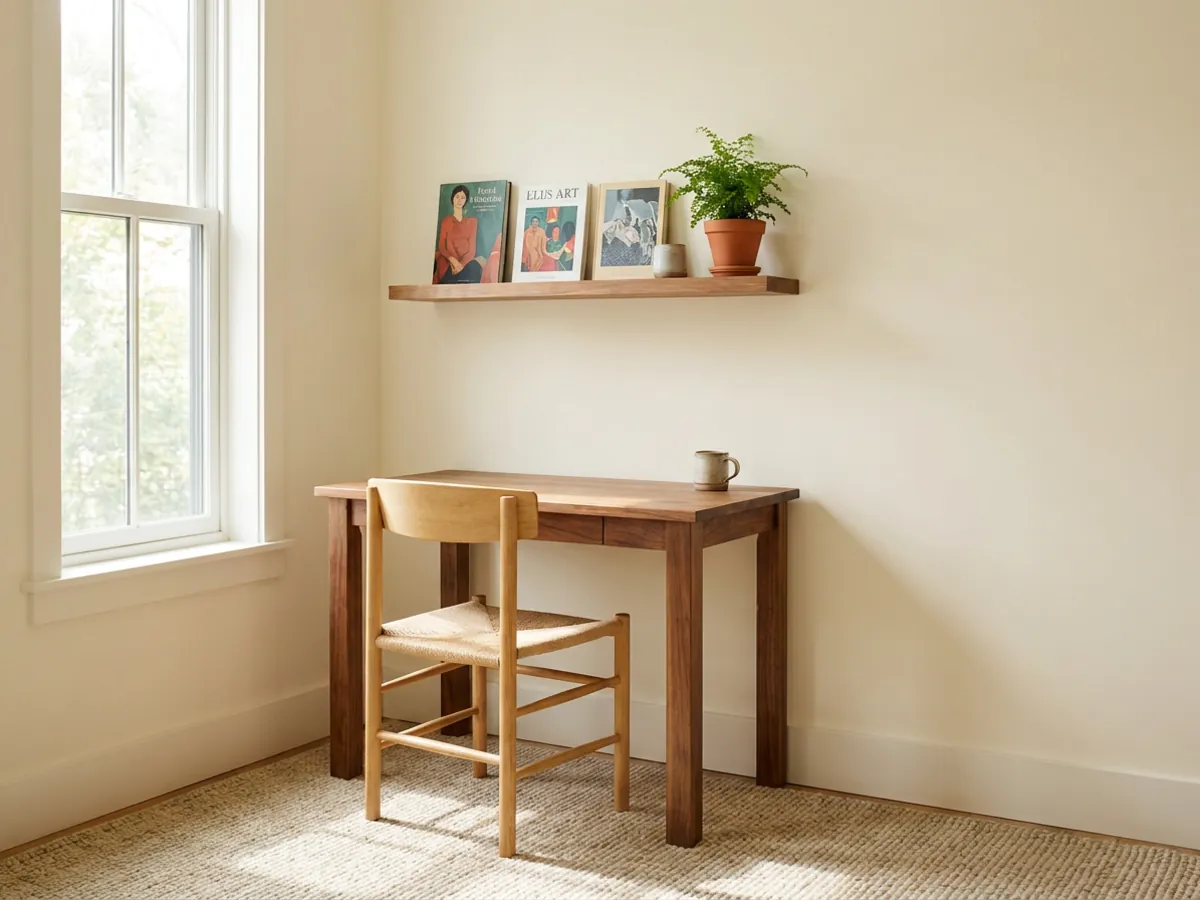
Turned into a plain decision:
Worth it for empty or sparsely furnished rooms, dated but structurally sound spaces that just need context, listings that will be seen mostly online, and any case where budget or time rules out physical staging. In all of these, a realistic, disclosed render earns its small cost easily.
Skip it or rethink it when the goal is to hide damage or misrepresent the room, when the source photos are too dark or cluttered to edit well, or when a space genuinely needs physical warmth for in-person showings. The verdict is the same as the one we started with: worth it when it is realistic and disclosed, not worth it when it is used to deceive.
How to get realistic virtual staging results, and try it free
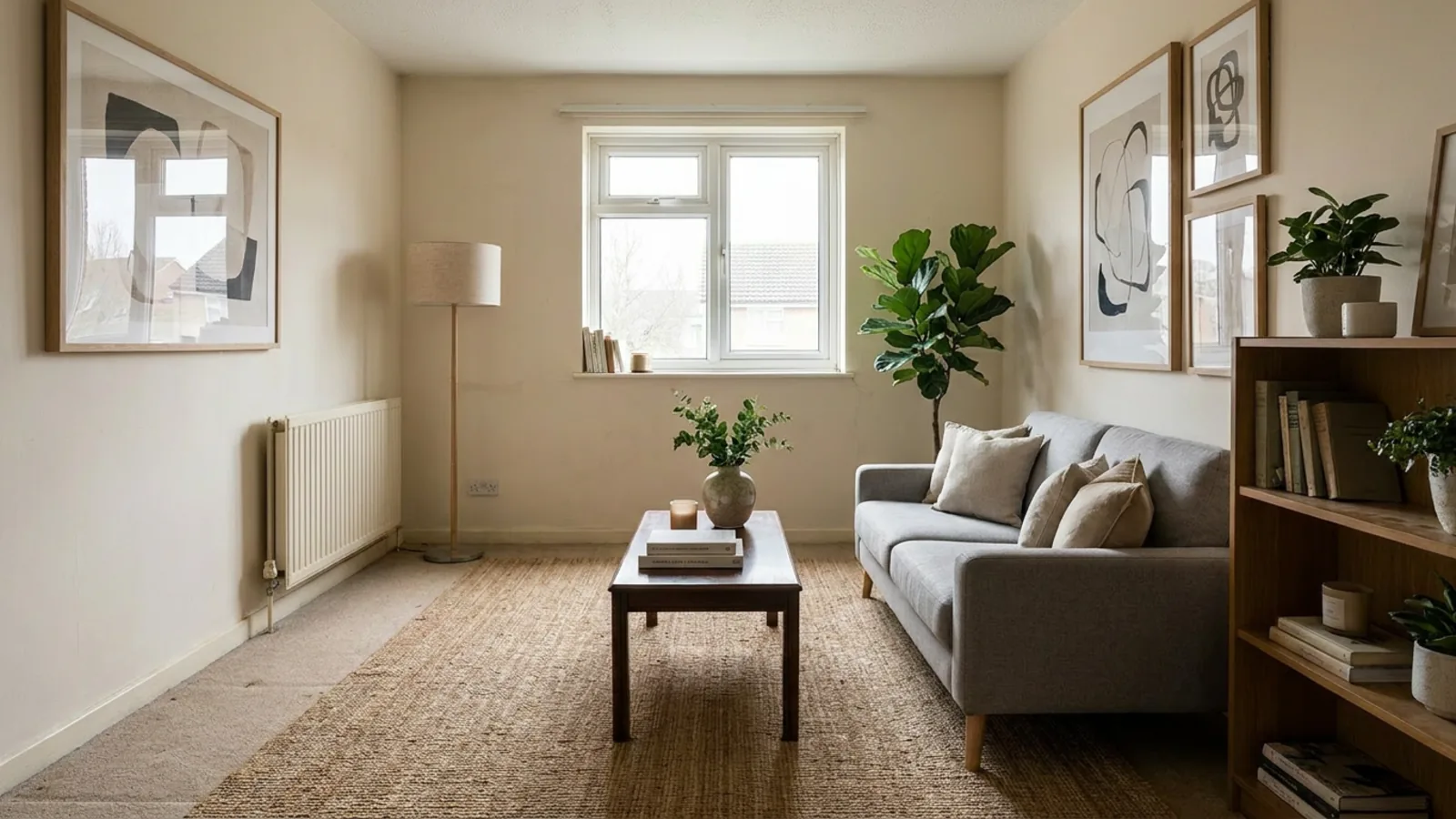
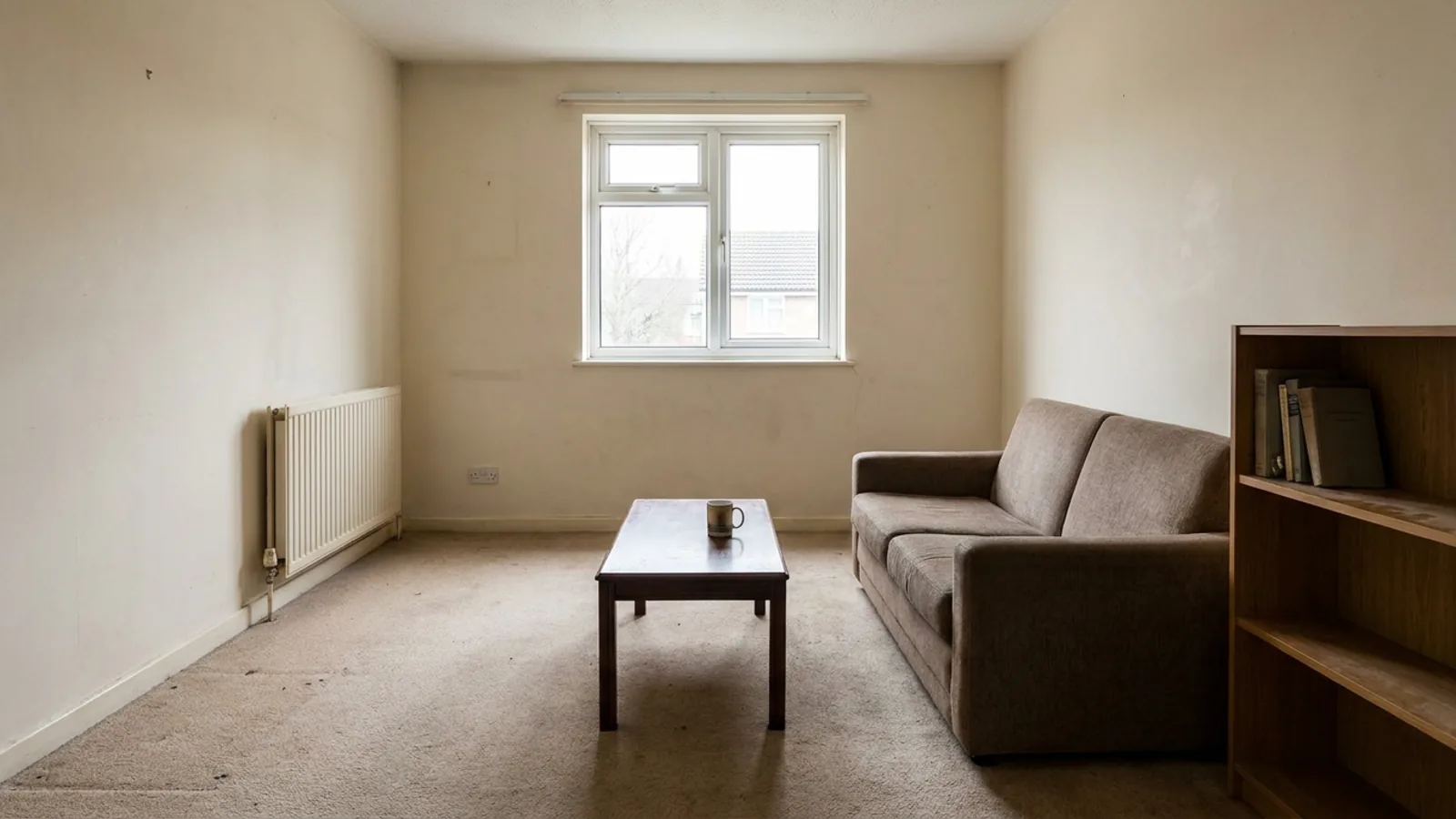 Before
Staged
Before
Staged
If you decide it is worth it, here is how to keep the result believable:
- Start with a clear, well-lit, straight-on photo of the real room. The input decides the ceiling on quality.
- Keep the walls, windows, and layout untouched. Only the furnishings should change.
- Choose a style that fits the space rather than overfilling it. A calm, lightly furnished room reads better than a crowded one.
- Keep scale and light consistent with the room, so the furniture belongs.
- Disclose the result and keep the original photo available.
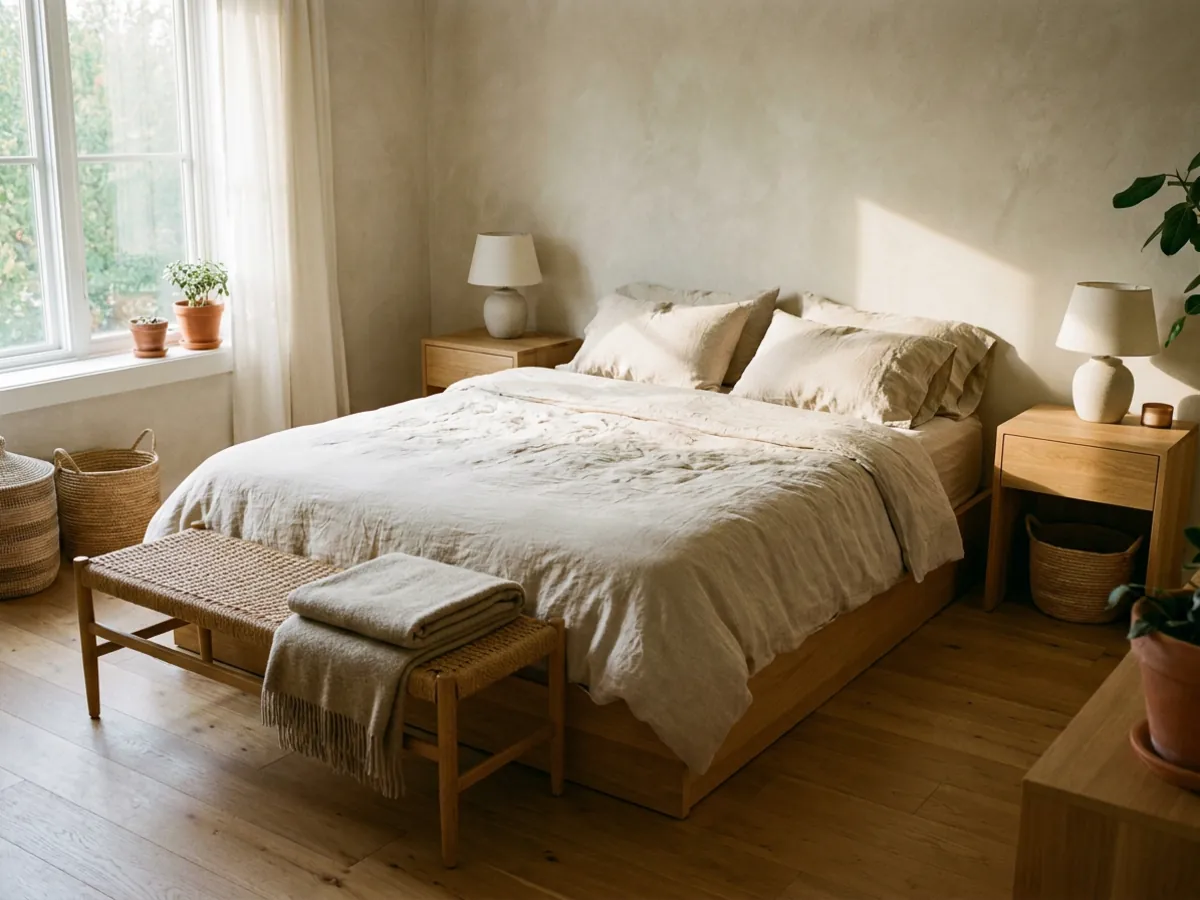
AI tools do this from a single uploaded photo in under a minute, and the first render is free, so you can test the quality on your own room before deciding anything. You can restyle a room from a single photo, redesign a dated room into a current look, or stage a bedroom in a calm coastal look, and see the AI staging quality for yourself. Try your first render free and judge it against everything above.
Frequently asked questions
Is virtual staging worth it? +
For most empty, sparsely furnished, or dated rooms it is worth it, because it costs a small fraction of physical staging and is ready in a fraction of the time. The value depends on two things you control: whether the result looks realistic and whether it is clearly disclosed. Used to help viewers picture a space it is a strong tool. Used to hide problems it backfires.
Is virtual staging realistic? +
Modern virtual staging, especially AI restyling from a real photo, can be hard to tell apart from a physically staged room when the scale, lighting, and shadows are handled well. Realism now depends mostly on the tool and a clear source photo rather than on the concept itself. Keeping the room's real architecture untouched is what keeps it believable, and the easiest way to judge quality is to run one photo through a tool and look closely.
Do buyers like virtual staging? +
Viewers generally respond well to virtual staging when it is realistic and openly labeled, because it helps them imagine a use for an empty room. What they dislike is feeling misled by an obvious fake or by hidden condition issues. Disclosing the staging, and ideally showing the original unfurnished photo alongside it, keeps trust intact and turns staging into a helpful preview rather than a trick.
Does Zillow do virtual staging? +
Zillow does not stage photos for you, but it allows virtually staged images as long as they follow its rules. The original architecture must stay unchanged, only furniture and decor may be added, the layout and features must not be misrepresented, and the staging should be disclosed in the photo caption. Because captions do not always carry across syndication, labeling the image itself is the safer approach.
Is virtual staging legal? +
Virtual staging is legal, and in a growing number of places it must be disclosed, including a requirement in California that took effect in 2026. Guidance from the National Association of Realtors and most MLS rules require clear disclosure elsewhere. The consistent rule is to label the edited image, keep the original photo available, and never use staging to hide the room's real condition. Check the specific rules that apply where the property is listed.
How much does virtual staging cost? +
Professional human-edited virtual staging commonly runs roughly $16 to $75 per photo, while AI tools can cost only a few dollars or less per image with near-instant results. Both are far below the cost of physical staging, which often reaches into the thousands per home. The first render on an AI tool is typically free, so the quality can be checked before any spend.
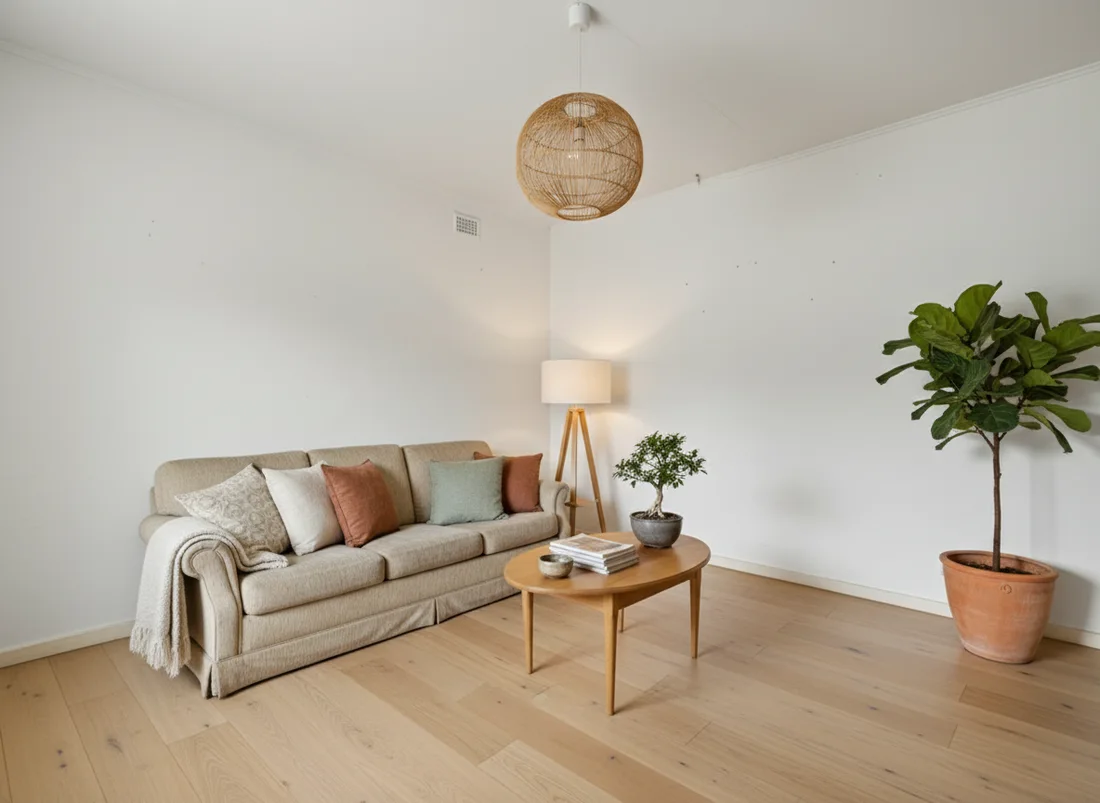 After
After
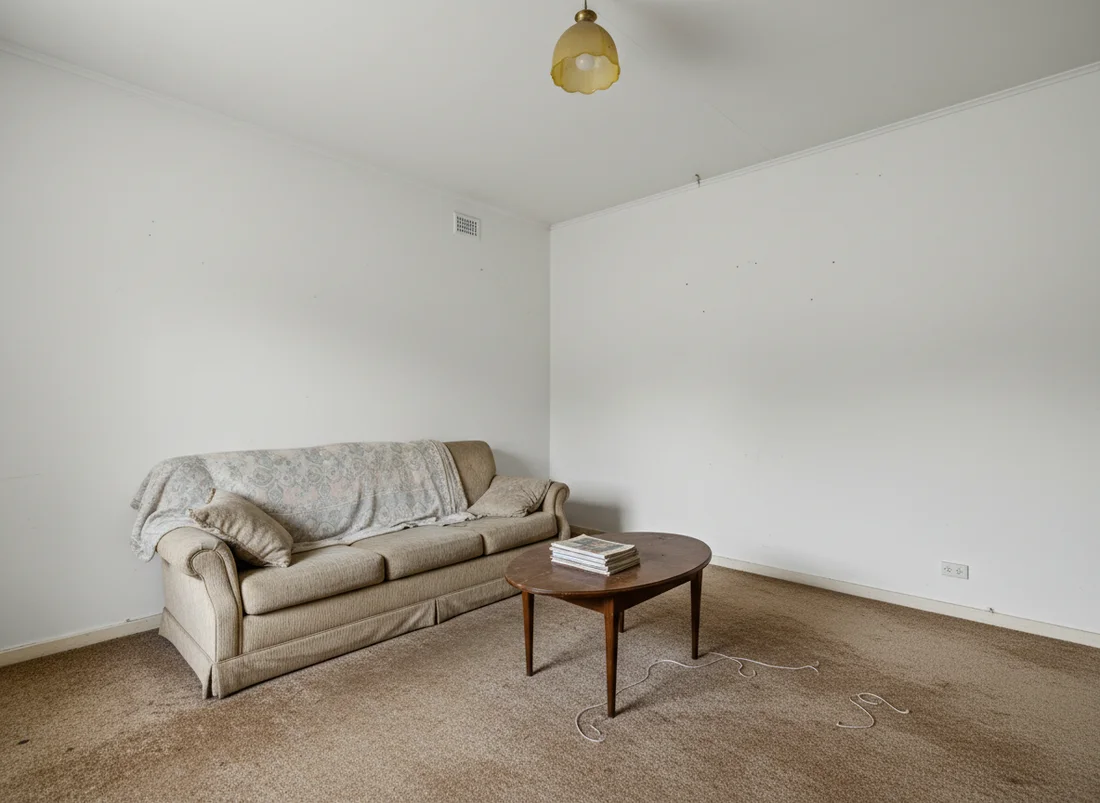 Before
See it on your own room
Your room, redesigned
Upload one photo and watch your room restyled in a wide range of designer looks. Your walls, windows and layout stay exactly as they are.
Try virtual stagingOne photo. In seconds. No signup.