restylai blog
Modern Interior Design: Elements, Ideas and Examples
Updated July 19, 2026 · by the restylai team
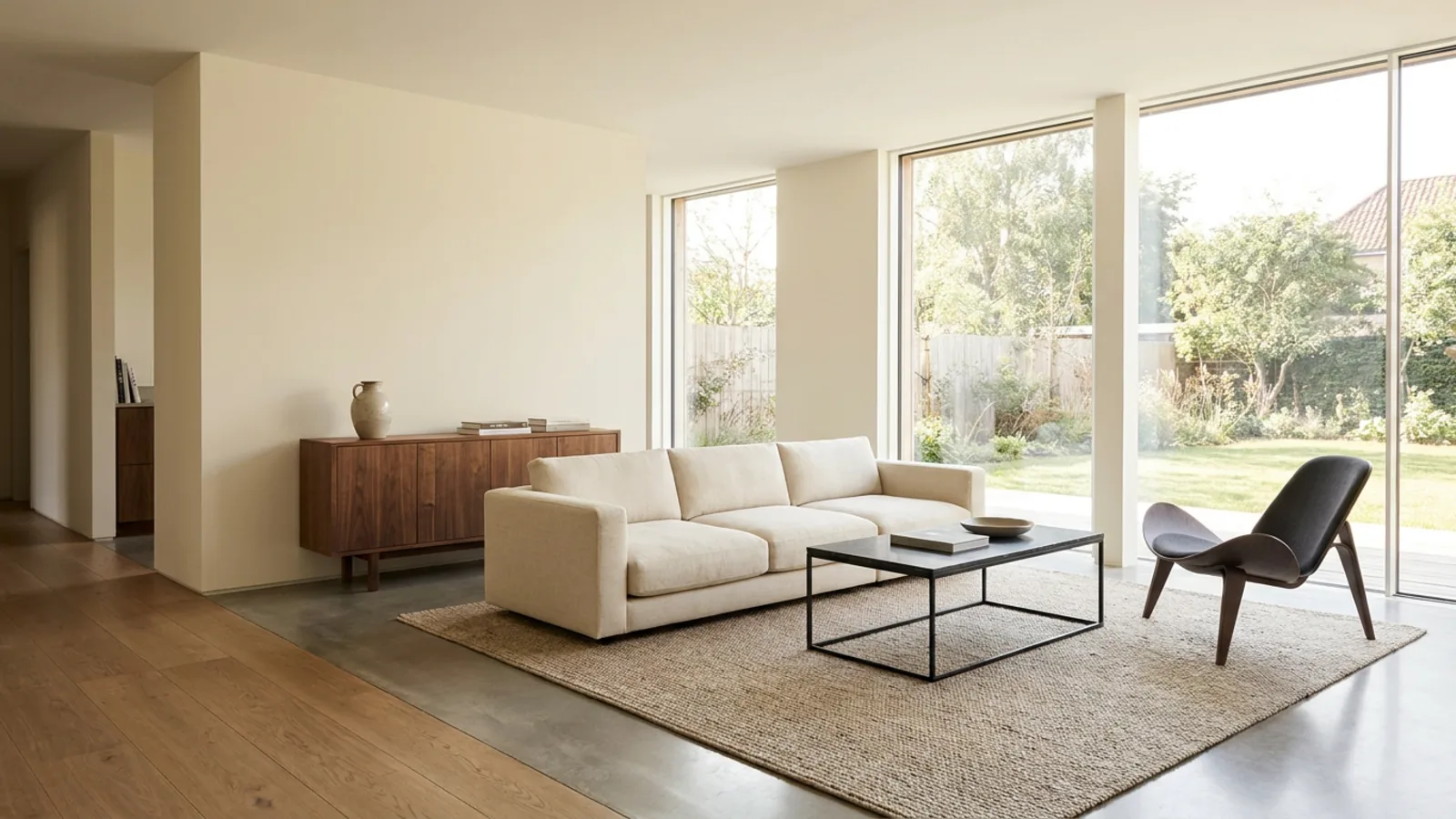
Modern interior design is one of the most used and most misunderstood terms in the home. People reach for it to mean anything new or sleek, but it is actually a specific style with a clear history and a defined set of rules: clean lines, uncluttered space, honest materials, and a calm neutral palette. Understanding what it really is makes it far easier to get right, and to tell it apart from the contemporary look it is so often confused with.
This guide covers what modern interior design actually means, how it differs from contemporary, its core elements, its palette and materials, how it plays out in the living room, bedroom, and kitchen, the role of light and layout, and how to preview the look on a photo of your own room before you change a thing.
What is modern interior design?
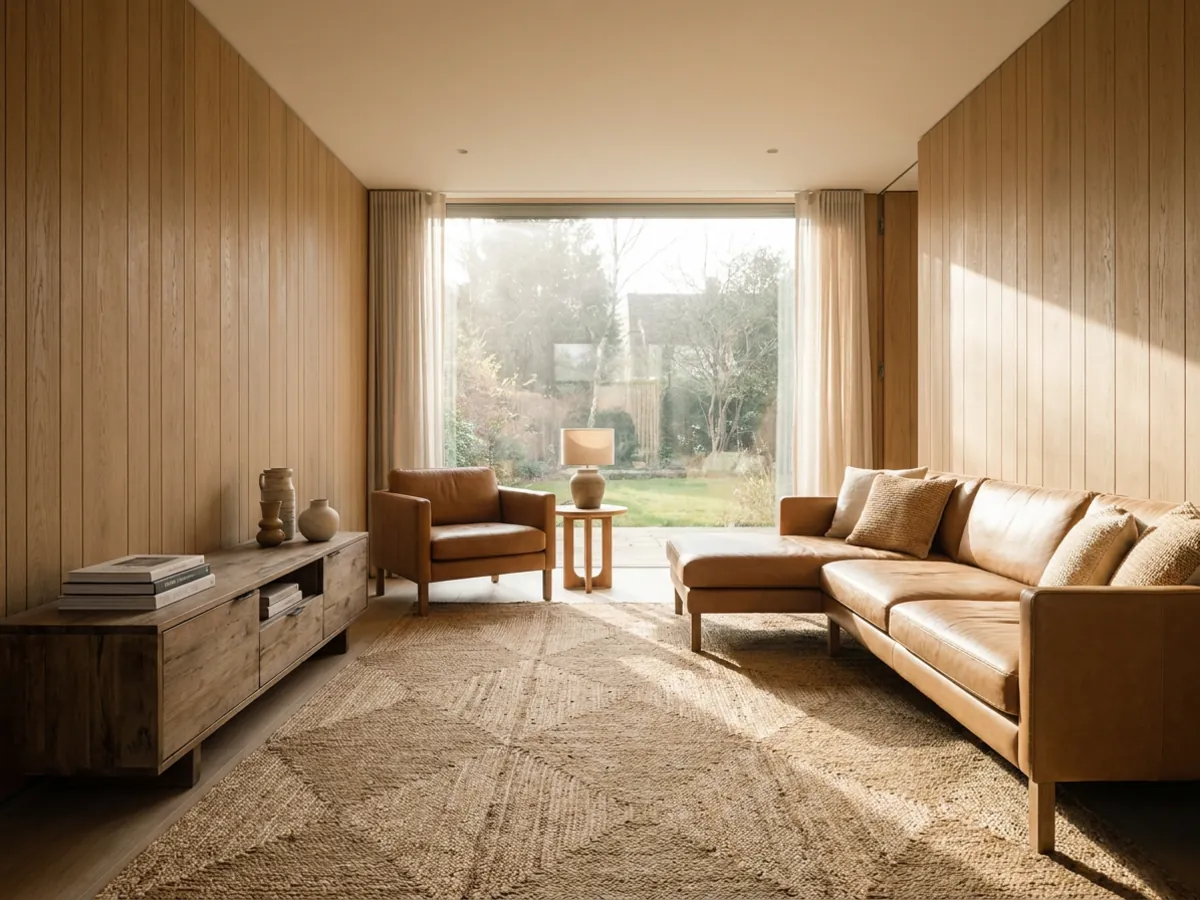
Modern interior design is a specific historical style that took shape in the early to mid twentieth century, guided by a single principle: form follows function. It grew out of the modern movement in architecture and design and its close relative, mid century design, as a deliberate break from the ornament and clutter of earlier eras. A modern room is stripped back to what matters, so shape, proportion, and material can do the work that decoration used to.
Its signatures are consistent: clean straight lines, uncluttered open space, honest natural materials like wood, stone, and leather, and a restrained neutral color palette. The important thing to understand is that modern is a defined look, not a synonym for whatever is new. That distinction is the key to the whole style, and it is exactly what the next section is about. If you want to see the principle in action, you can redesign a room from a photo and watch clutter and heavy forms give way to clean lines.
Modern vs contemporary: the difference people get wrong
This is the most common confusion in interior design, and the difference is simple once stated plainly:
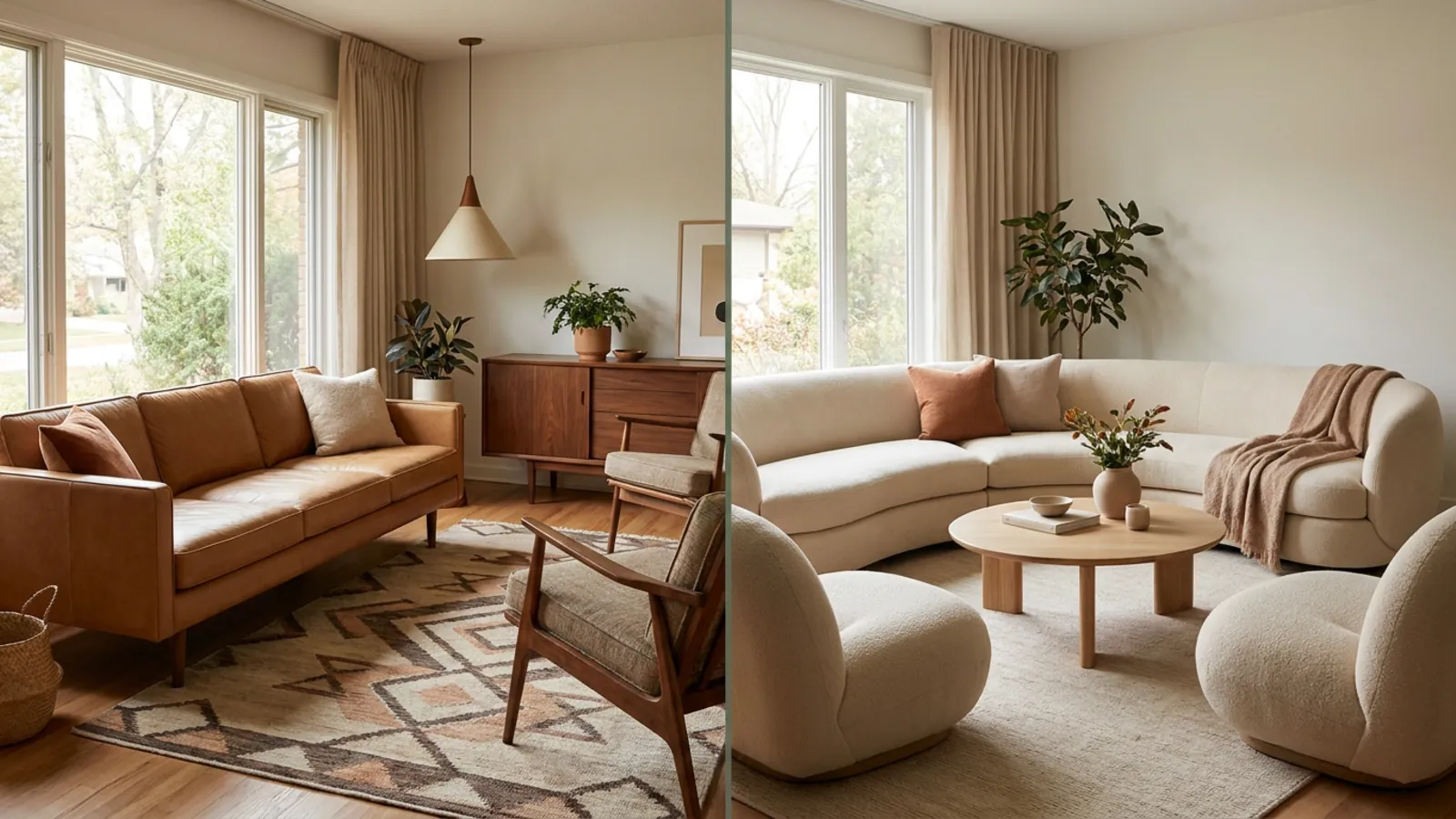
- Modern is a fixed historical style with set traits: warm neutrals, natural materials, and strong horizontal and vertical lines, often with a mid century influence. It does not change, because it is anchored to a period and a philosophy.
- Contemporary means whatever is current right now. It shifts with trends, and today it leans toward curves, bolder contrast, and newer materials.
Put most briefly: modern stays the same while contemporary keeps changing. Modern is a noun, a specific thing you can point to; contemporary is really an adjective for the present moment. In practice, many of today's most admired rooms blend the two, keeping modern's clean bones and adding contemporary warmth and softness. Knowing which is which lets you borrow from each on purpose rather than by accident.
The core elements of modern interior design
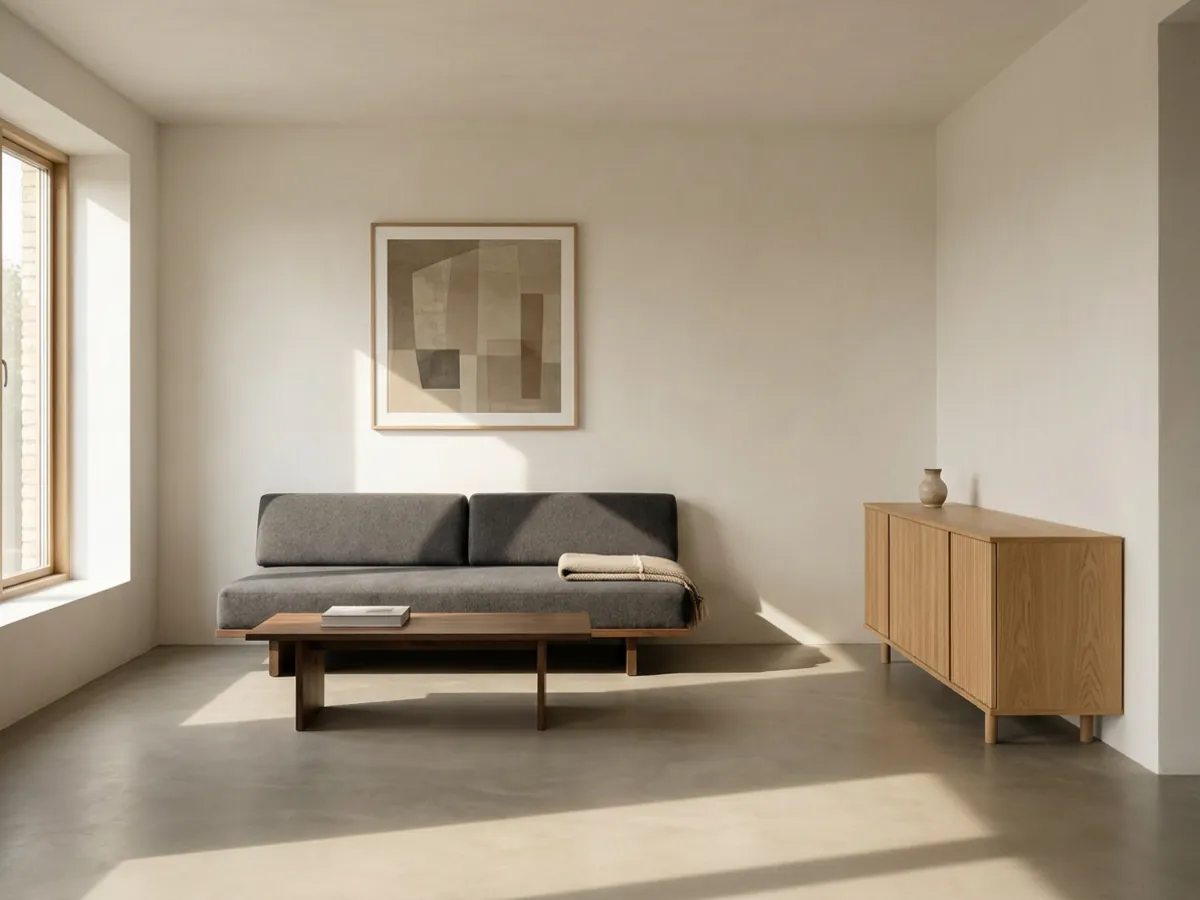
A handful of elements define the style, and once you can name them you can build the look anywhere:
- Clean lines and simple geometric forms. Straight edges and clear shapes, nothing fussy or ornate.
- Function-first furniture. Every piece is chosen for how it works as much as how it looks.
- Purposeful minimalism. This is not empty for its own sake; each object in the room has a reason to be there.
- Open, uncluttered layouts. Space to move and breathe, with clear sight lines across the room.
- A strong connection to natural light. Daylight is treated as a material, not an afterthought.
The common thread is restraint with intent. A modern room is calm because everything unnecessary has been removed, not because it is bare. Get these five elements right and the palette, materials, and furniture all become easier decisions, because they are serving a clear idea rather than competing for attention.
Modern color palettes and materials
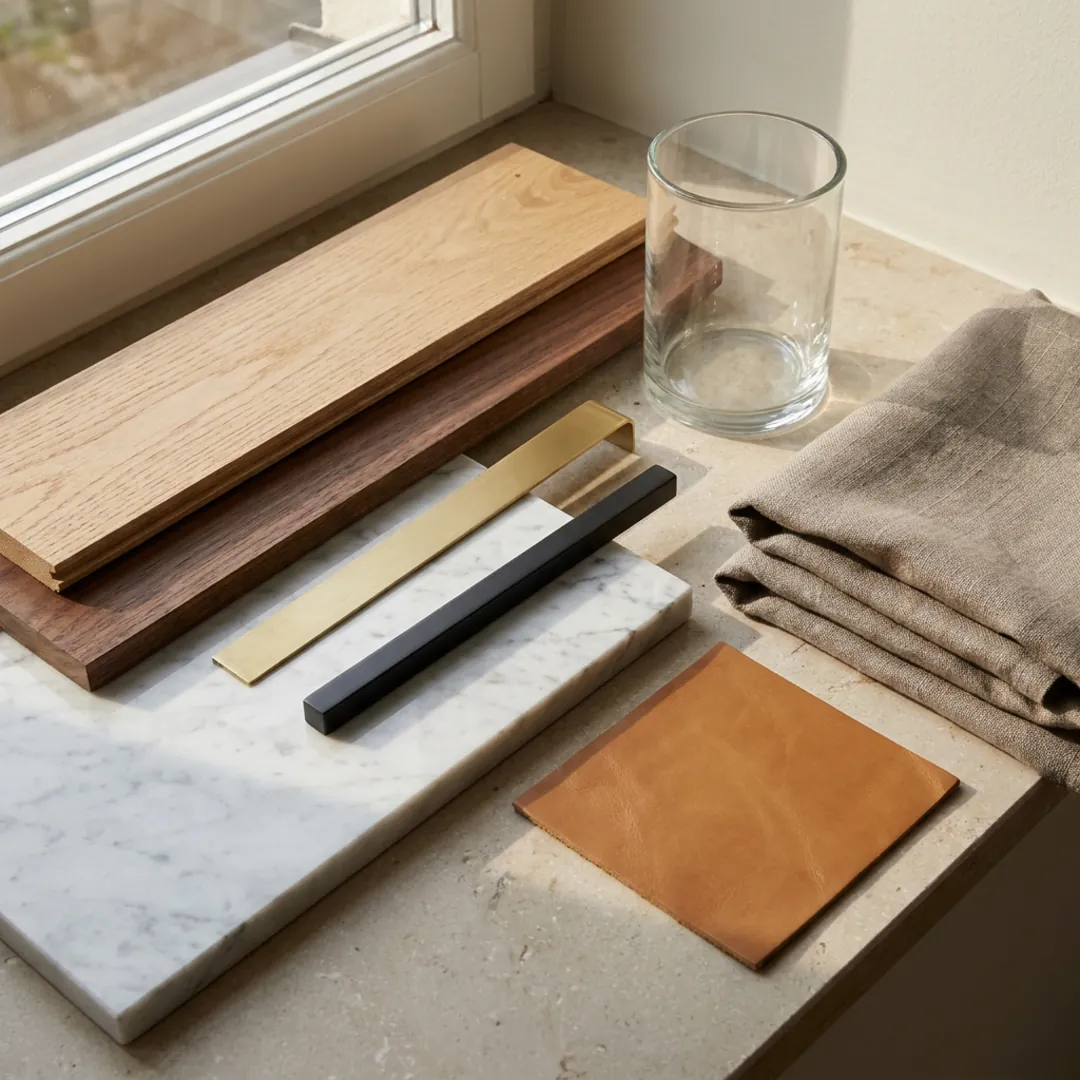
Color in a modern room starts from a neutral foundation: white, cream, beige, taupe, gray, charcoal, or black. A single accent, navy, emerald green, terracotta, mustard, or deep teal, is then added sparingly in just one piece, a chair, a rug, or a work of art. The restraint is deliberate: one bold note reads as confident, while several compete and cancel each other out.
Materials are what keep that neutral scheme from feeling flat. Modern leans on oak and walnut wood, marble and travertine stone, glass, matte black and brushed brass metal, and leather and linen textiles. The magic is texture: a linen sofa against a stone wall against a wood floor gives the eye plenty to read even with almost no color. That interplay of natural materials is why a well-made modern room feels warm rather than clinical. When you are naming materials for a specific space, dedicated interior design software lets you test them against your own room before committing.
The most common mistake is confusing modern with a cold, all-white minimalism. A truly modern room is warm, because the neutrals are grounded by natural wood, the textiles are soft, and the light is generous. The way to keep it warm is to vary the temperature of your neutrals, pair a cool gray with a warm oak, a crisp white with a caramel leather, and to let at least one large natural material, a wood floor or a stone surface, carry real presence. Neutral does not have to mean pale, and it should never mean lifeless.
Modern living room ideas
 Before
Modern
Before
Modern
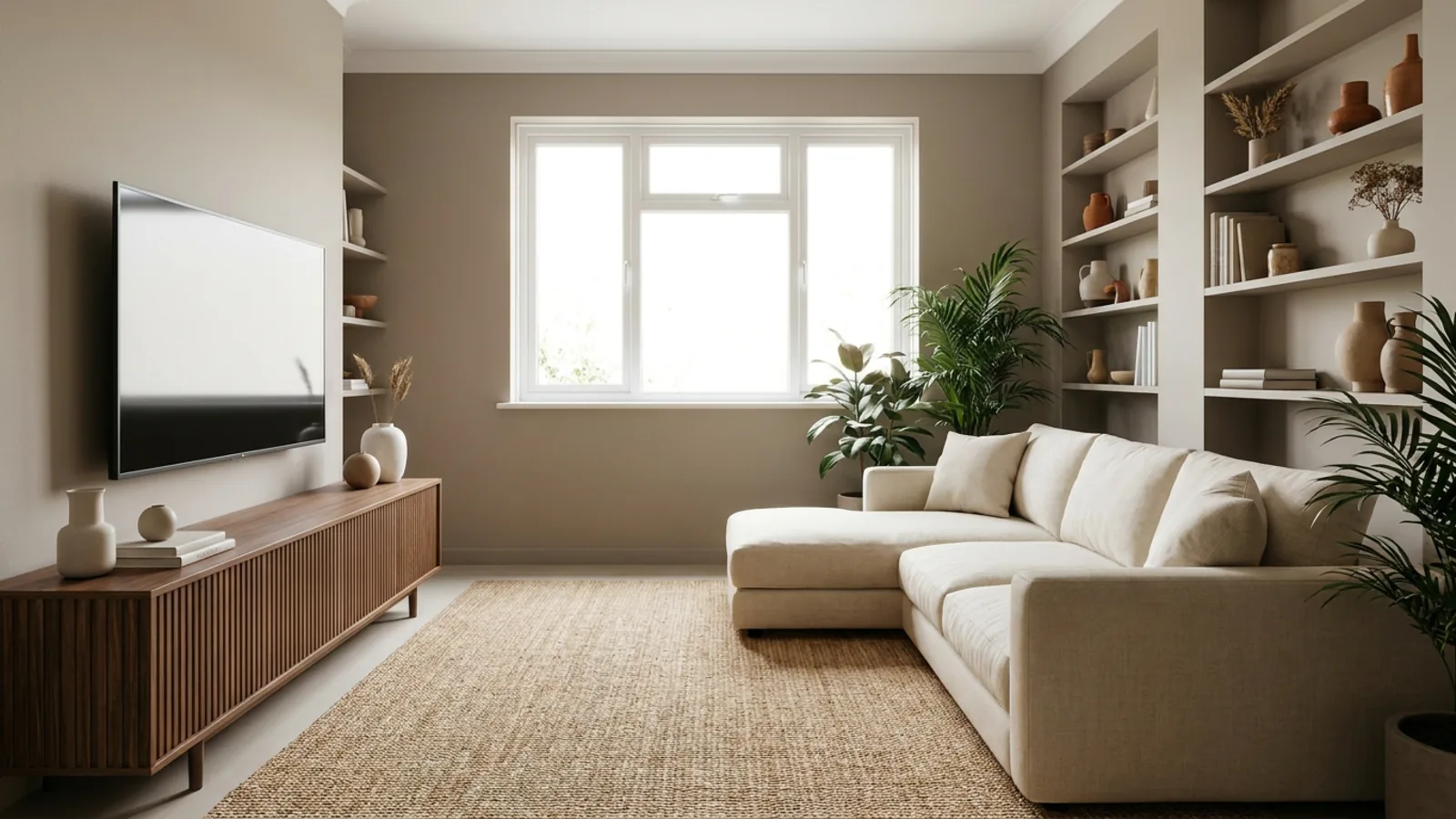
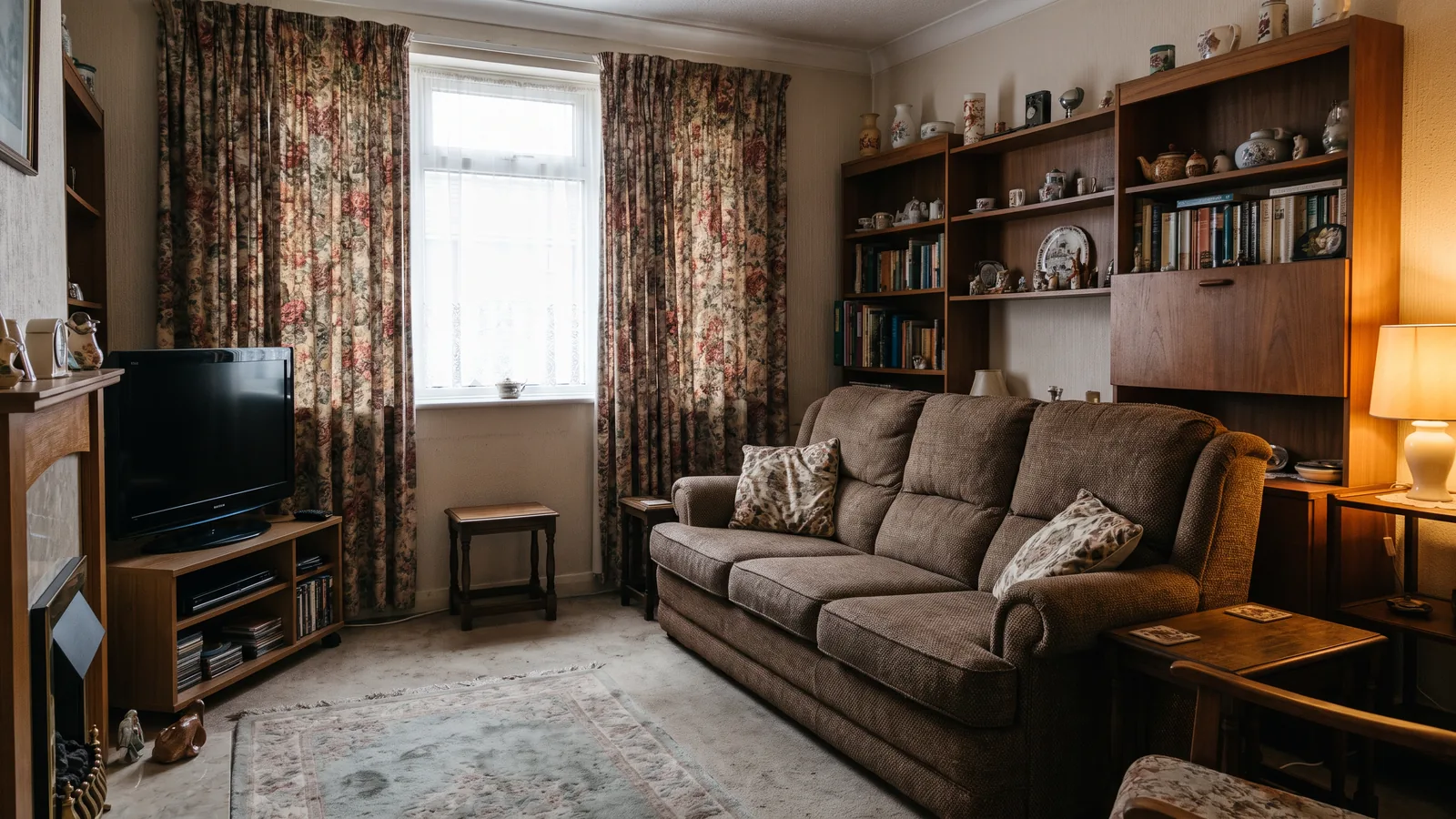
The living room is where modern design is easiest to read. The recipe is a low-profile sofa, a sculptural accent chair, a natural-fiber rug to ground the seating, a fluted or flat wood media unit, one bold accent, and clear circulation so the space feels open. Keep surfaces clear and let a few good pieces breathe.
A few habits separate a modern living room from a merely tidy one. Raise the seating and storage on legs where you can, so the floor reads as continuous and the room feels larger. Give the main pieces room to breathe rather than pushing everything to the walls. And resist the urge to fill every surface: one considered object on the coffee table says more than a cluster of them. The discipline is subtractive, you are editing the room down to its best elements, not adding a modern layer on top of a busy one.
The encouraging part, visible in the before and after above, is that a room rarely needs to be rebuilt to read as modern. Most of the shift comes from furniture lines and clutter reduction rather than construction: swap a bulky patterned sofa for a low clean-lined one, uncover the windows, clear the shelves, and the same room reads as modern. For finished directions, browse the modern living room ideas gallery.
Modern bedroom ideas
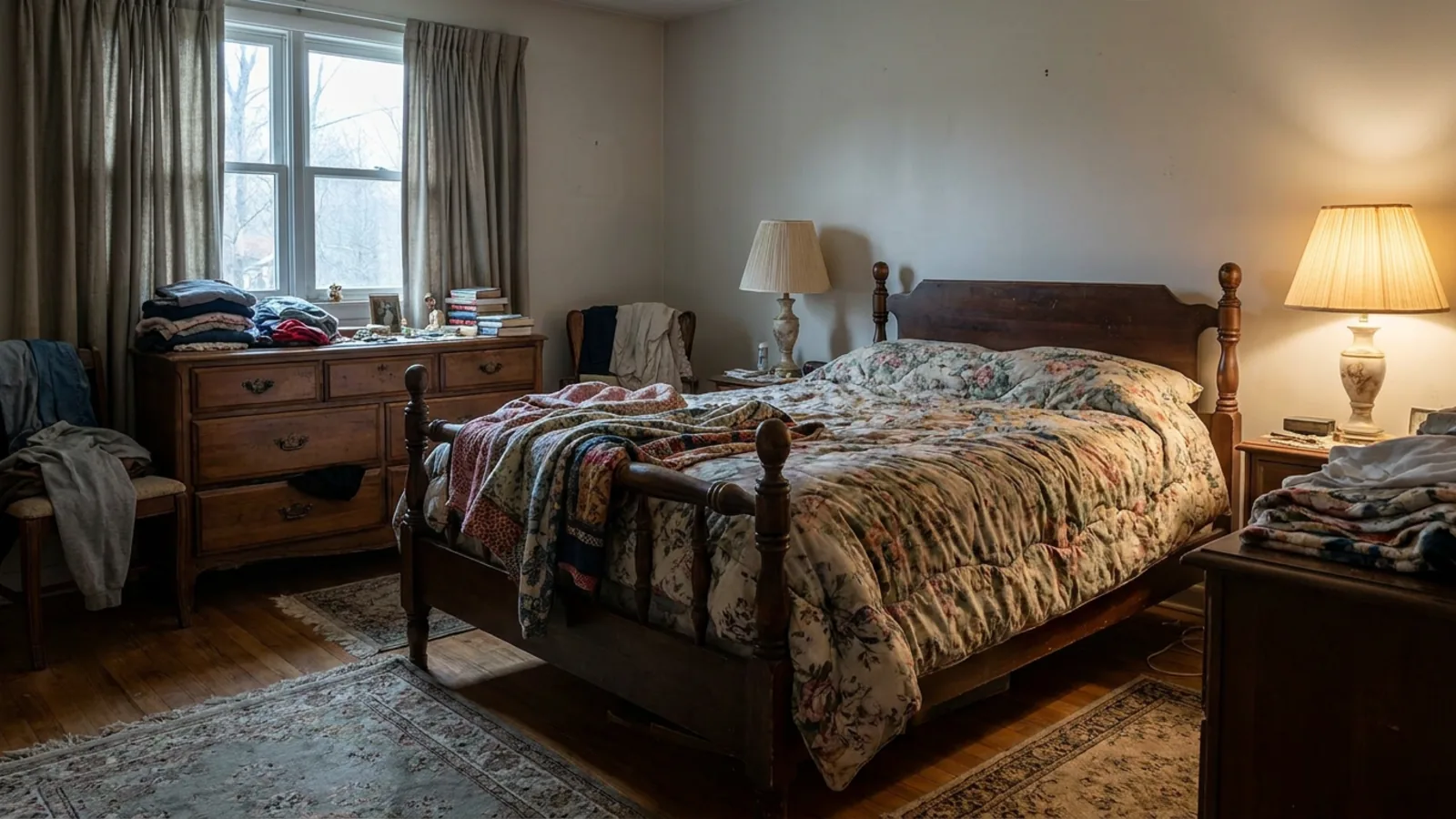 Before
Modern
Before
Modern
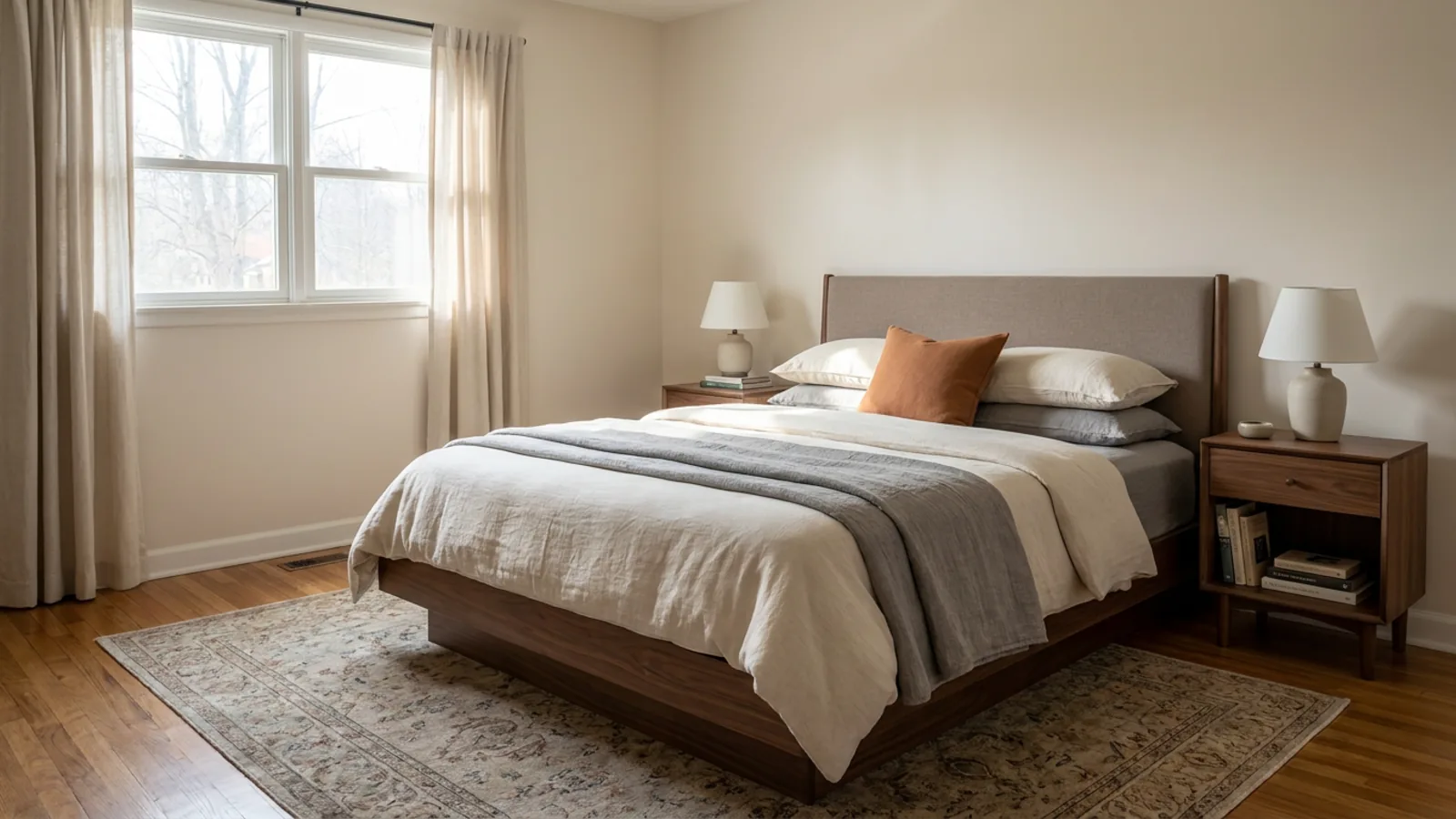
A modern bedroom is an exercise in calm. Build it around a low platform bed with an upholstered headboard, a pair of matching wood nightstands, layered neutral bedding, one warm accent, and soft indirect lighting. Keep the floors clear and the surfaces minimal, because restraint is what makes the room restful.
The goal is a space that feels like an exhale: nothing loud, nothing extra, just good proportions and quiet materials. That is why the modern bedroom is one of the most rewarding rooms to restyle, and one of the easiest to get wrong by adding too much. You can design a modern bedroom with AI on a photo of your own room to find the level of restraint that works for your space.
Modern kitchen ideas
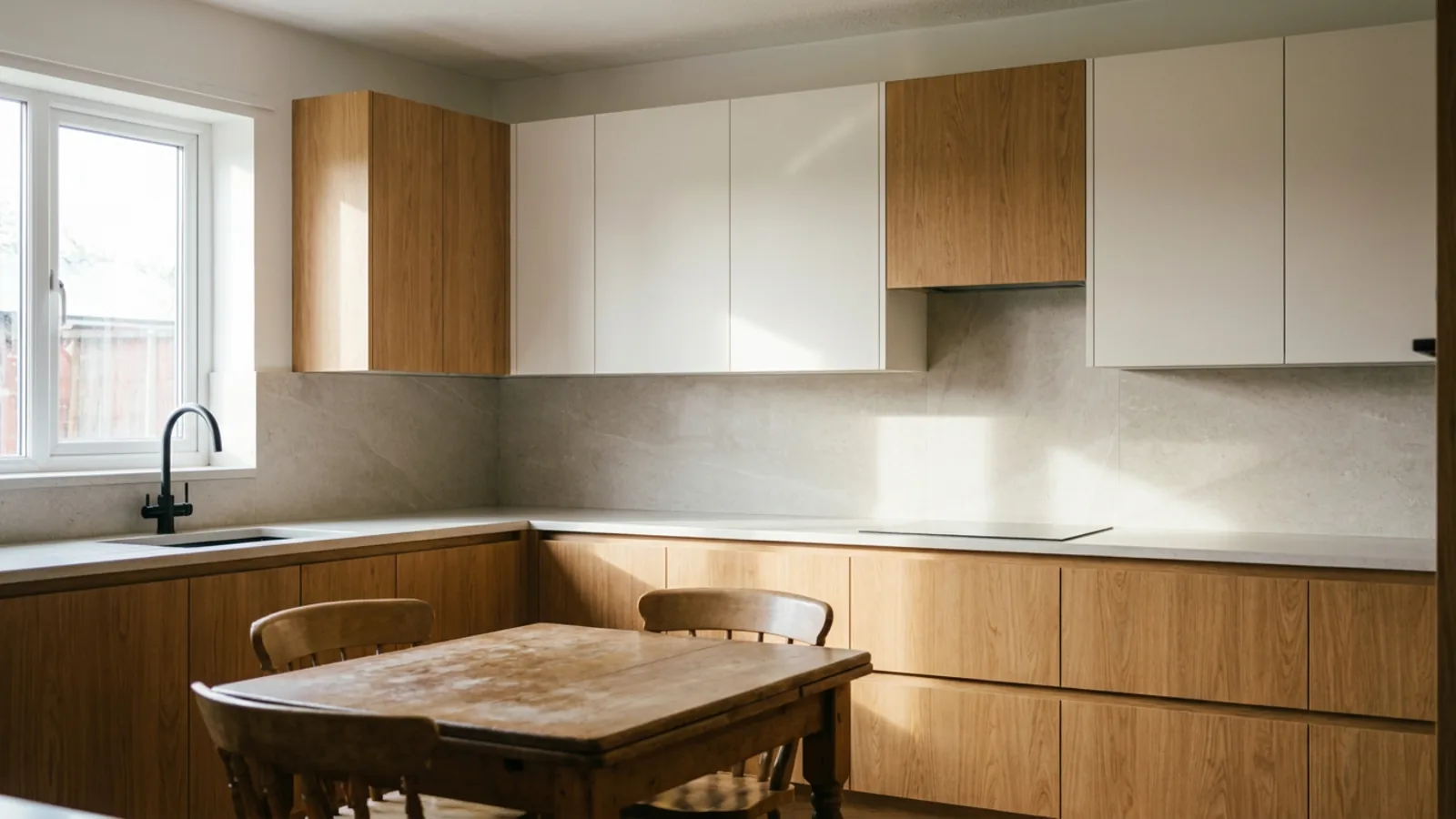
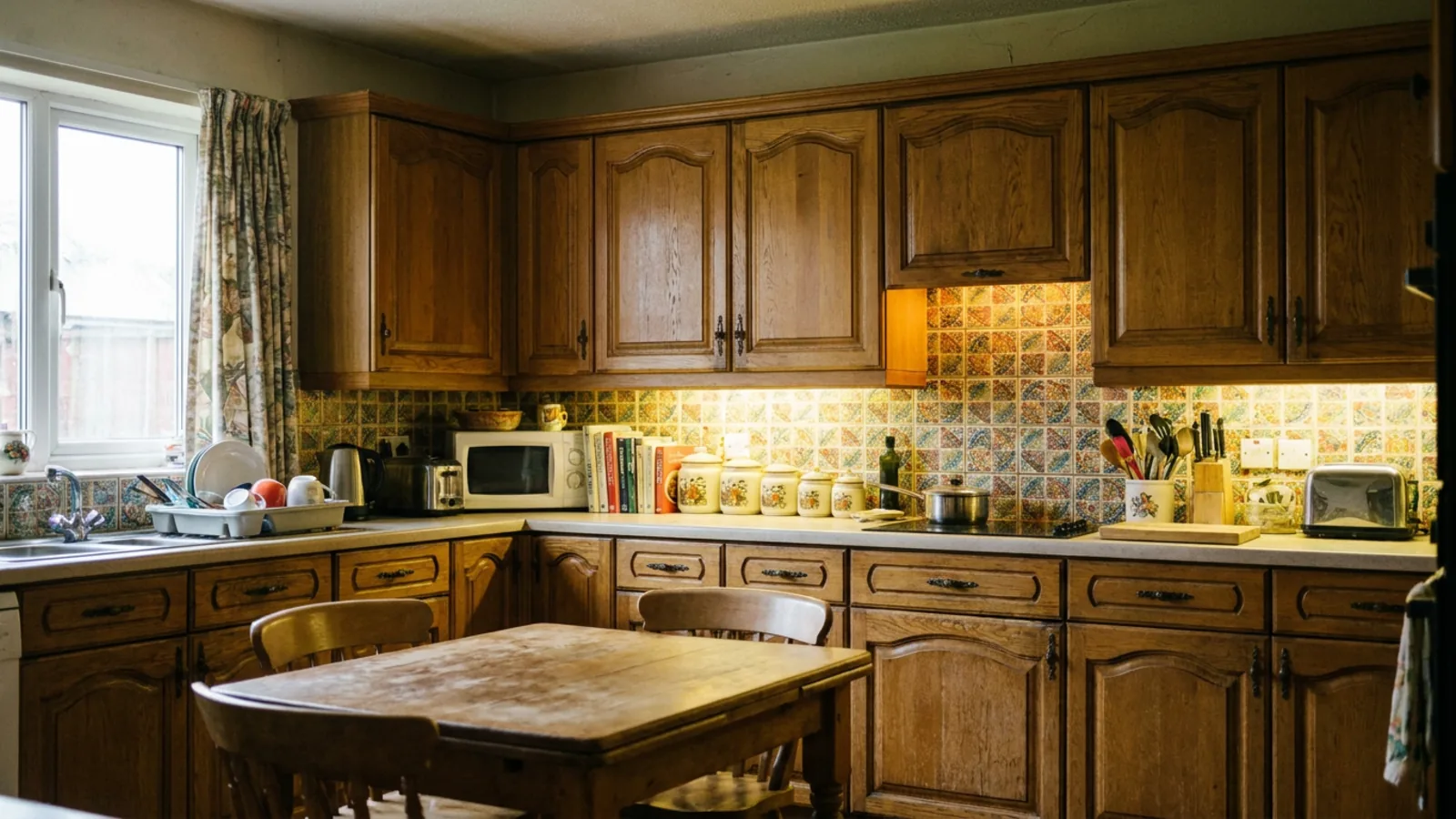 Before
Modern
Before
Modern
A modern kitchen is defined by its surfaces and its restraint. The core moves are flat-front handleless cabinets, a stone or quartz worktop, an uninterrupted backsplash, integrated appliances, matte black or brushed brass hardware, and clear counters. The look is seamless, with as few visual interruptions as possible.
The detail that keeps it from feeling cold is the balance of warm and cool: warm wood cabinetry against a cool stone surface, or a pale worktop against a darker matte cabinet. That contrast is what gives a modern kitchen depth without clutter. If yours feels dated, you can design a modern kitchen with AI to preview the change before committing, and the modern kitchen ideas gallery shows the finished look.
Lighting, layout, and natural light
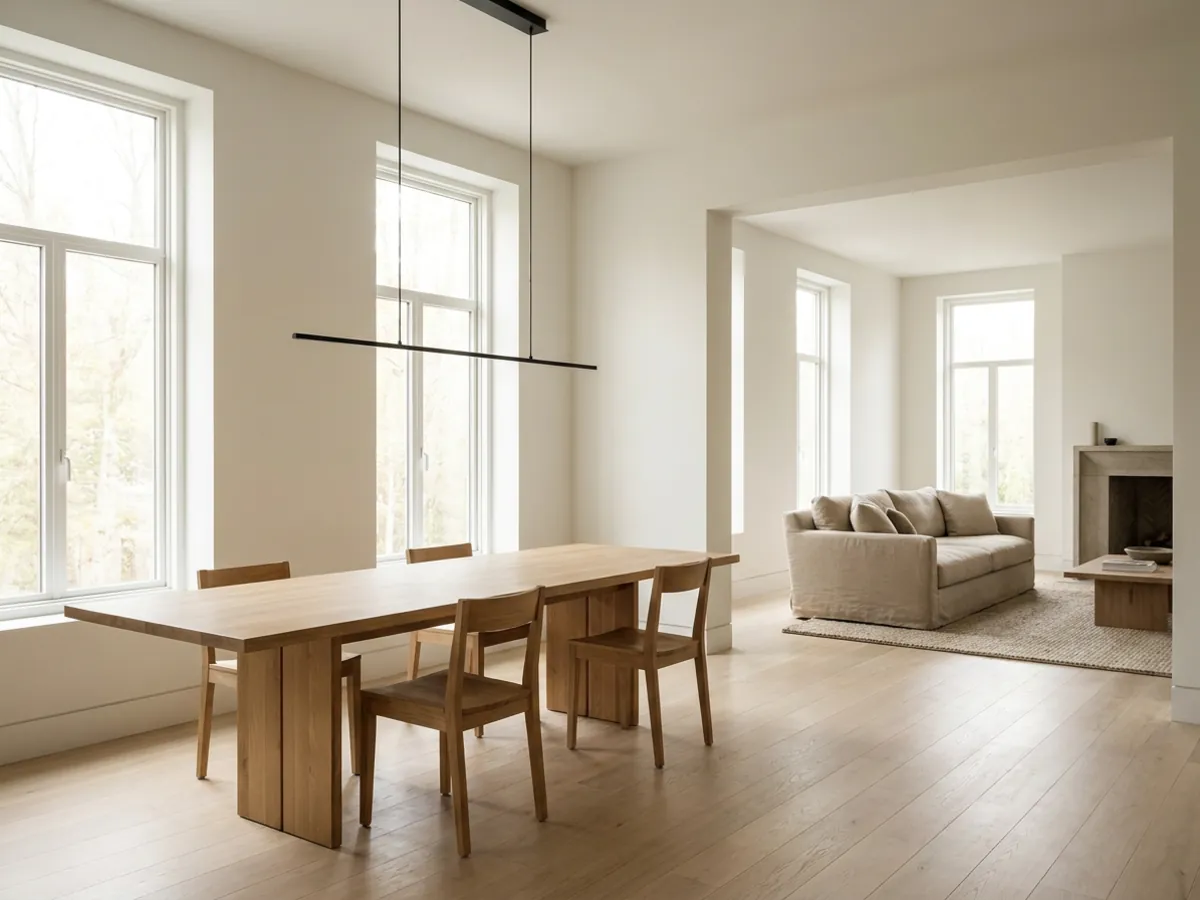
Modern design is as much about space and light as it is about furniture. On the spatial side, it favors open floor plans that connect areas, large uncovered windows, and clear sight lines across the room. Daylight is used almost as a building material, so the architecture is arranged to catch and spread it rather than block it.
On the lighting side, a modern room layers three kinds of light: ambient for the overall glow, task for where you work or read, and accent to highlight a feature. The fixtures themselves stay simple and linear, a slim pendant, a clean track, a discreet lamp, so they support the room rather than dominate it. Maximizing daylight and keeping sight lines open is not decoration; it is central to how the style actually works.
Window treatments follow the same logic. Modern rooms favor bare windows or the lightest possible covering, a simple roller blind or a floor-length sheer, so nothing competes with the daylight or the clean line of the frame. Heavy patterned curtains are one of the fastest ways to undo a modern scheme. During the day the goal is for the room to be lit by the windows themselves, with the fixtures doing their work only as the light drops. To plan how the space and light come together before you move a wall or a window, an AI room planner helps you test the layout.
How to preview a modern look on your own room
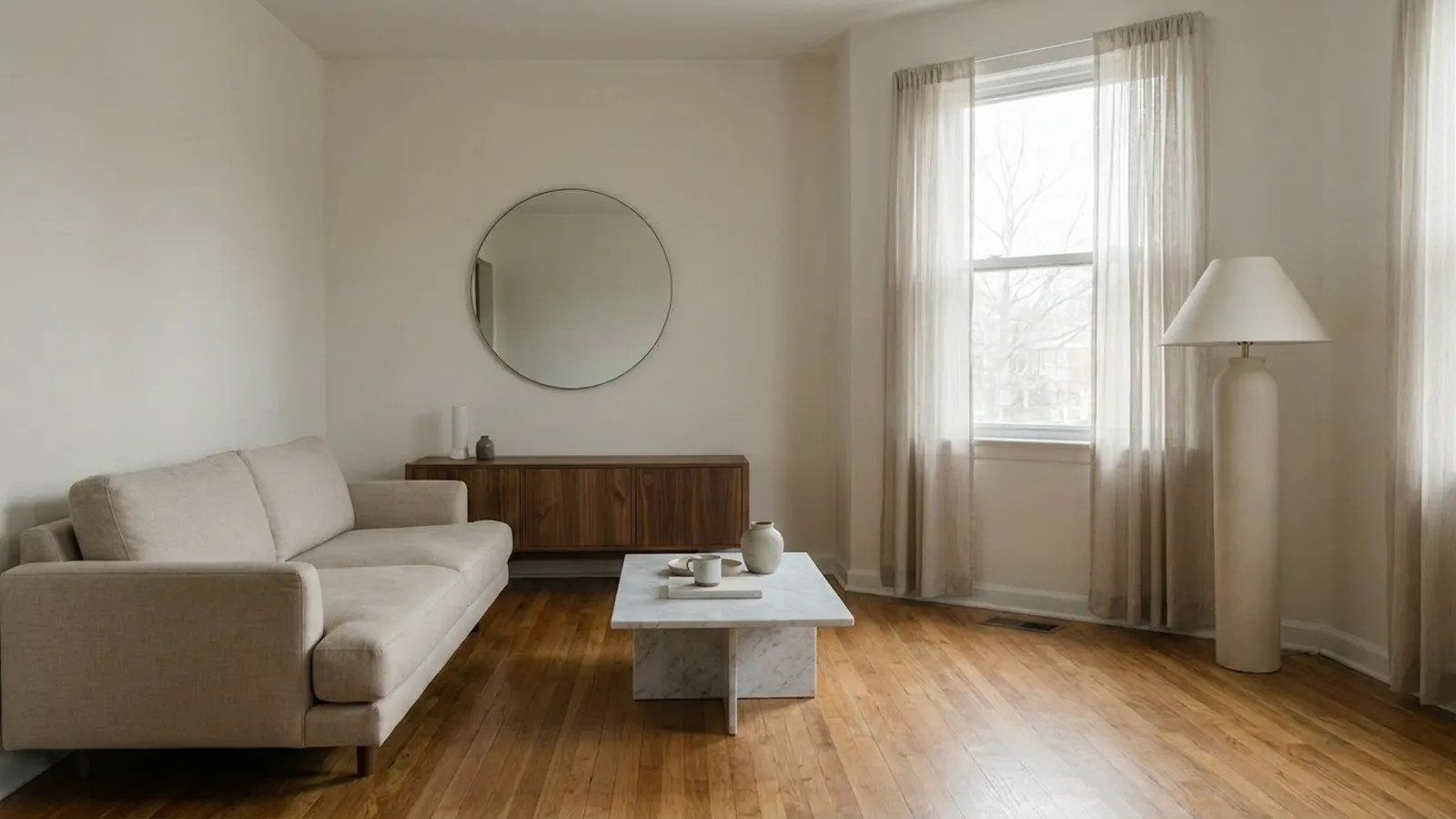
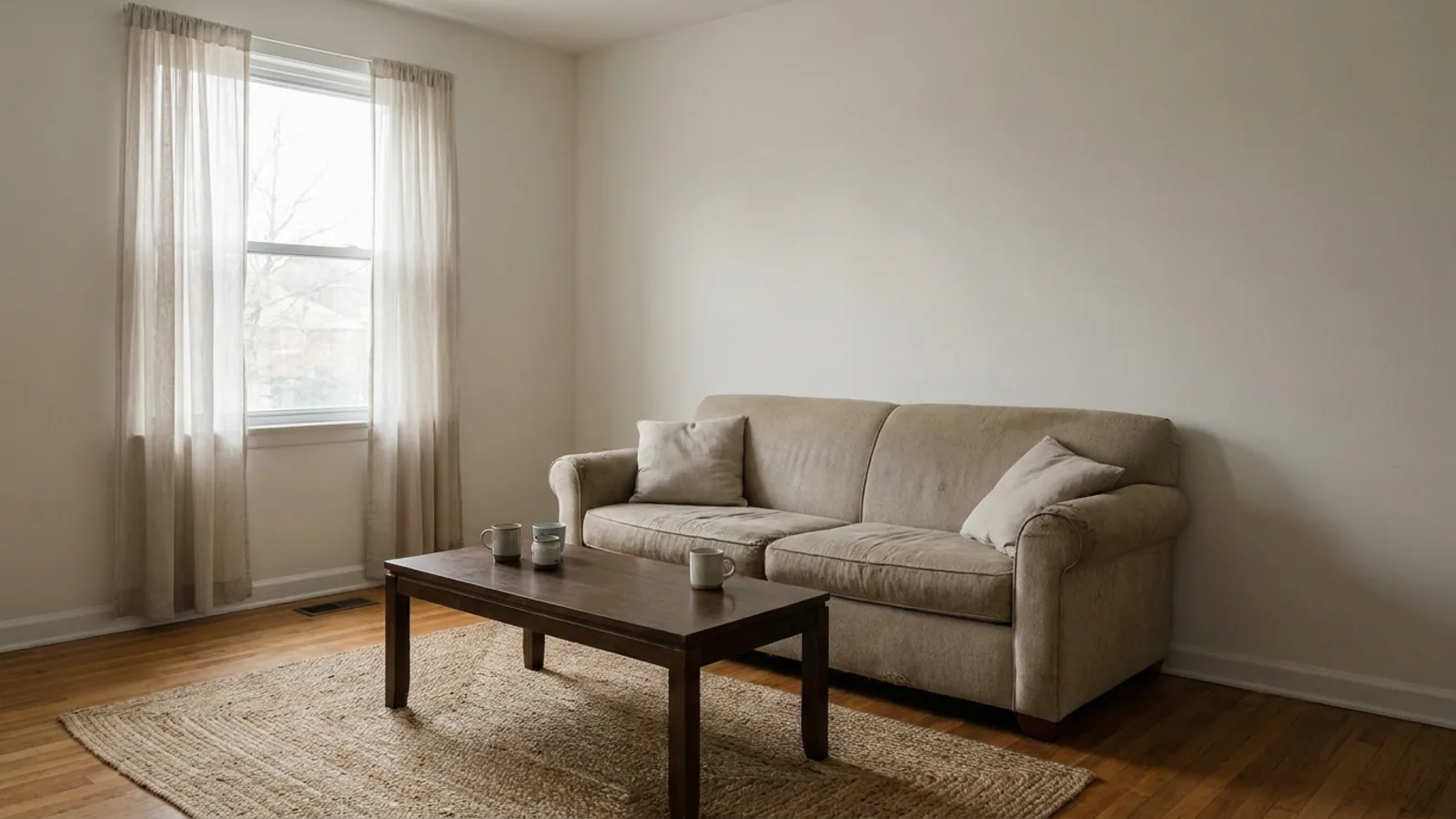 Before
Modern
Before
Modern
The surest way to know whether modern design suits your home is to see it there. The process is a short how-to:
- Take a straight-on photo of the room in daylight, showing the floor and at least two walls.
- Upload it and choose a modern style.
- Review the restyled result, your actual room with clean lines, a neutral palette, and modern furniture, keeping your layout and windows.
This lets you test the palette and the furniture lines on your actual space before buying anything or committing to a change, which is the cheapest way to avoid an expensive mistake. The first render is free with no signup. You can furnish an empty room first with virtual staging, then try the AI room design tool to see your own room in a modern look, or start here and preview the change now.
Frequently asked questions
What is modern interior design? +
Modern interior design is a specific historical style that took shape in the early to mid twentieth century and follows the principle that form follows function. It is known for clean straight lines, uncluttered open spaces, honest natural materials like wood, stone and leather, and a restrained neutral color palette. Decoration is kept minimal so that shape, proportion and material do the work. It is a defined look rather than a general word for anything new.
What is the difference between modern and contemporary interior design? +
Modern is a fixed historical style with set traits such as warm neutrals, natural materials and strong horizontal and vertical lines, often with a mid century influence. Contemporary means whatever is current right now, so it keeps shifting with trends and tends to include curves, bolder contrast and newer materials. In short, modern stays the same while contemporary changes over time. Many rooms actually blend the two.
What are the key elements of modern interior design? +
The core elements are clean lines and simple geometric forms, function first furniture, purposeful minimalism where each object has a reason to be there, open and uncluttered layouts, and a strong connection to natural light. A neutral palette built from whites, grays, taupe and black ties it together, with texture from wood, stone and linen adding depth. One restrained accent is often the only bold note in the room.
What colors are used in modern interior design? +
Modern rooms usually start from a neutral foundation of white, cream, beige, taupe, gray, charcoal or black. A single accent color, such as navy, emerald green, terracotta, mustard or deep teal, is then added sparingly in one piece like a chair, rug or artwork. Earthy tones are increasingly used to keep a neutral space feeling warm rather than cold.
Is modern interior design still in style? +
Yes, modern design remains widely used and its principles of clean lines, function and restraint continue to influence current interiors. Recent takes on the look add softer curves and warmer, earthier tones while keeping the uncluttered feel. Because it is a defined style rather than a trend, it tends to age well.
How can I make a room look modern without renovating? +
Much of a modern look comes from furniture lines, a neutral palette and reduced clutter rather than construction. Swapping to low profile pieces, clearing surfaces, adding one warm accent and letting in more daylight can shift a room noticeably. You can also preview a modern restyle on a photo of your own room with an AI tool before buying anything, and the first render is free.
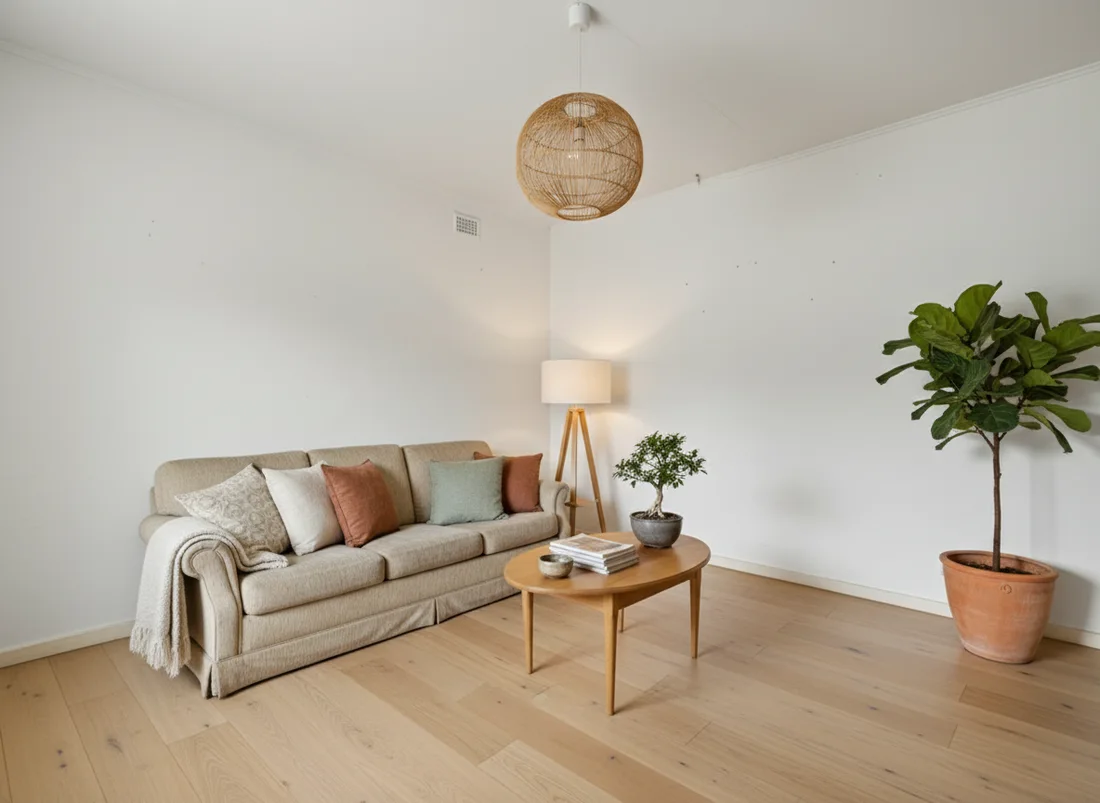 After
After
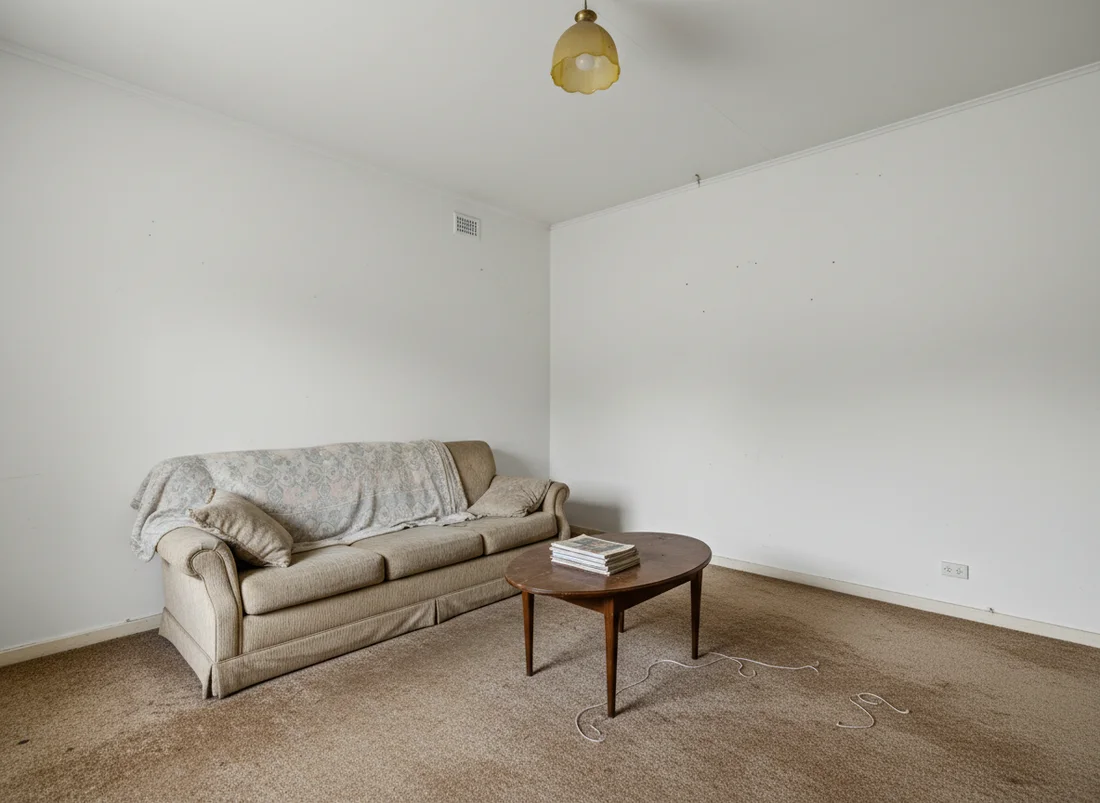 Before
See it on your own room
Your room, redesigned
Upload one photo and watch your room restyled in a wide range of designer looks. Your walls, windows and layout stay exactly as they are.
Try it free, no signupOne photo. In seconds. No signup.