restylai blog
Scandinavian vs Japandi: Key Differences Compared
Updated July 19, 2026 · by the restylai team
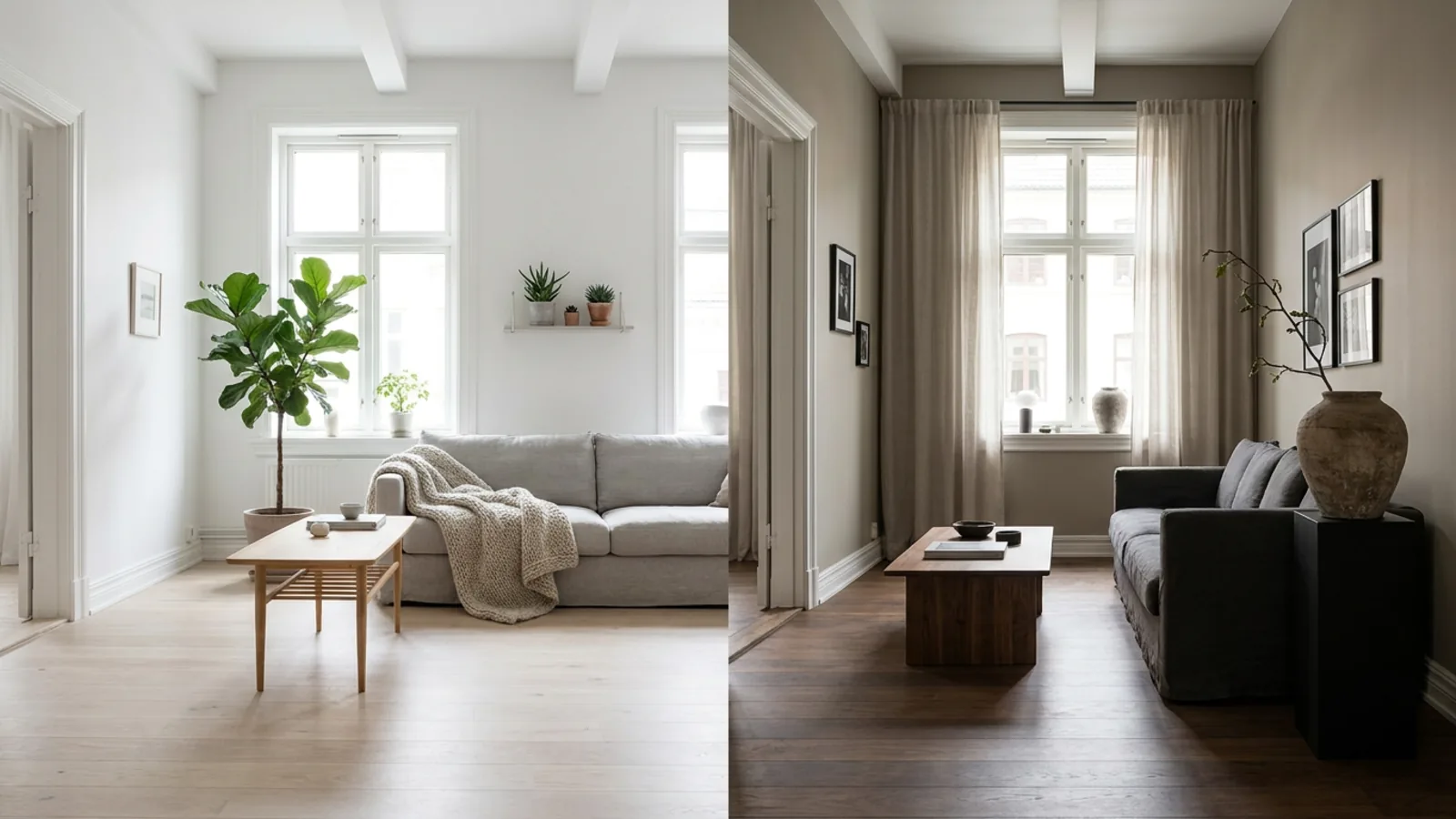
Scandinavian and Japandi are the two calmest, most-loved minimalist styles of the moment, and they are constantly mistaken for each other. That is not surprising: they share clean lines, natural materials, and a love of restraint. But they are genuinely different in temperature and mood, and once you can see the difference, choosing between them, or blending them, becomes easy.
This guide compares Scandinavian and Japandi side by side on where they come from, their color palettes, their woods and materials, their furniture, their light and mood, and their styling. Then it shows the same room in each style, explains how to choose or blend the two, and how to preview both on a photo of your own room.
Scandinavian vs Japandi at a glance
The quickest way to hold the difference in your head: Scandinavian is light and airy; Japandi is warm and grounded. Both are minimalist styles built on clean lines and natural materials, so they look similar at first glance. But Scandinavian centers on white and pale neutrals with light woods like birch and ash, aiming for brightness. Japandi keeps that minimal base and warms it with earthy tones, darker woods like walnut, and a little more contrast, drawing on Japanese wabi-sabi alongside Scandinavian function.
| Scandinavian | Japandi | |
|---|---|---|
| Palette | White, light grey, pale pastels | Warm neutrals, earthy accents |
| Wood | Pale birch, ash, light oak | Walnut and deeper oak |
| Furniture | Clean-lined, often on tapered legs | Lower, grounded, closer to the floor |
| Mood | Bright, airy, cheerful | Calm, warm, grounded |
| Styling | Cozy, layered, hygge | Curated, pared back, wabi-sabi |
| Roots | Nordic design and hygge | Scandinavian plus Japanese wabi-sabi |
In other words, Japandi is not the opposite of Scandinavian, it is Scandinavian with a Japanese influence layered on top. That shared DNA is why they blend so well, and why the differences are a matter of degree, warmer or cooler, lighter or deeper, rather than a hard divide. The sections below walk through each of those degrees.
Where each style comes from
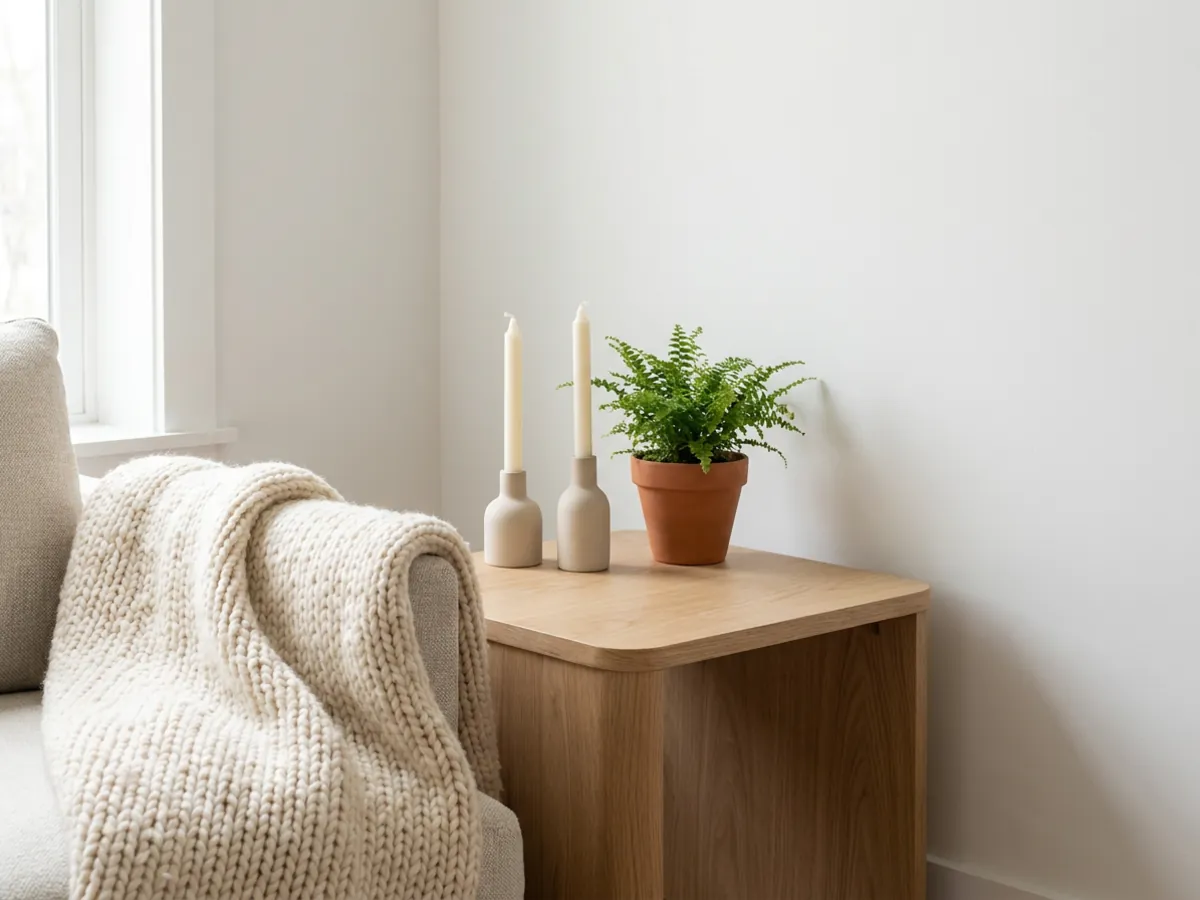
Scandinavian design grew out of the Nordic countries in the mid twentieth century, shaped by long dark winters and a culture of hygge, the pursuit of cozy, everyday contentment. Because daylight is scarce for much of the year, the style evolved to maximize light: white walls, pale woods, and reflective, airy rooms that feel bright even in winter. Function and democratic, affordable design are core to its values.
Japandi is younger and hybrid. It blends that Scandinavian foundation with Japanese design and the philosophy of wabi-sabi, the appreciation of natural imperfection and quiet restraint. From Japan it takes a warmer, earthier palette, lower furniture, and a more curated, pared-back way of styling. So Scandinavian is one of Japandi's two parents, which is exactly why Japandi can feel like a warmer, more grounded cousin rather than a separate family.
Color palette: bright neutrals vs warm earth tones
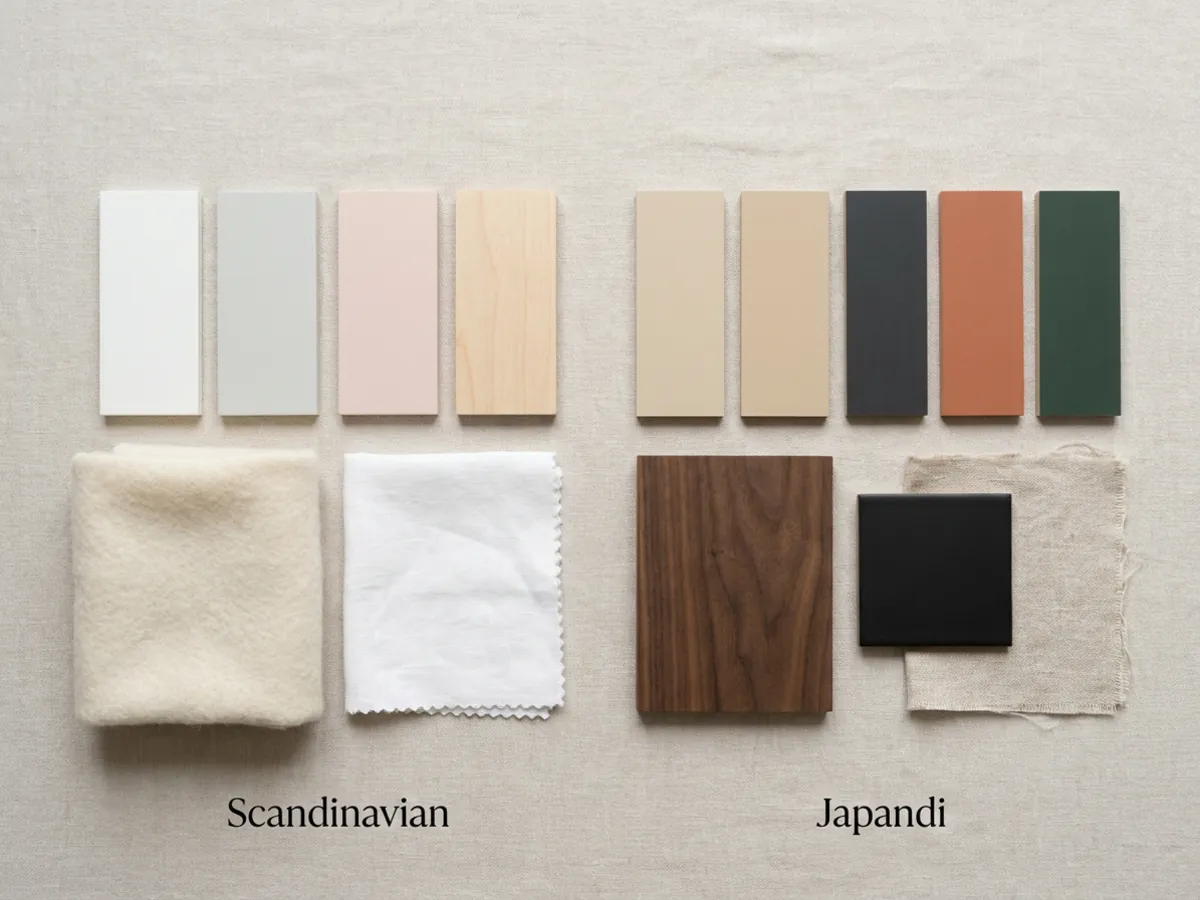
Color is the clearest tell between the two:
- Scandinavian centers on white, light grey, and pale pastels, chosen to keep rooms bright and to reflect the available daylight. The overall read is cool and fresh.
- Japandi starts from warm neutrals like beige, sand, and greige, then grounds them with earthy accents such as charcoal, terracotta, deep green, and indigo. The overall read is warm and grounded.
Put simply, Scandinavian reads cool and bright while Japandi reads warm and grounded. If you painted the same room in each, the Scandinavian version would feel like a bright morning and the Japandi version like a calm late afternoon. This single difference, cool-bright versus warm-earthy, drives most of the others.
Materials and wood tones
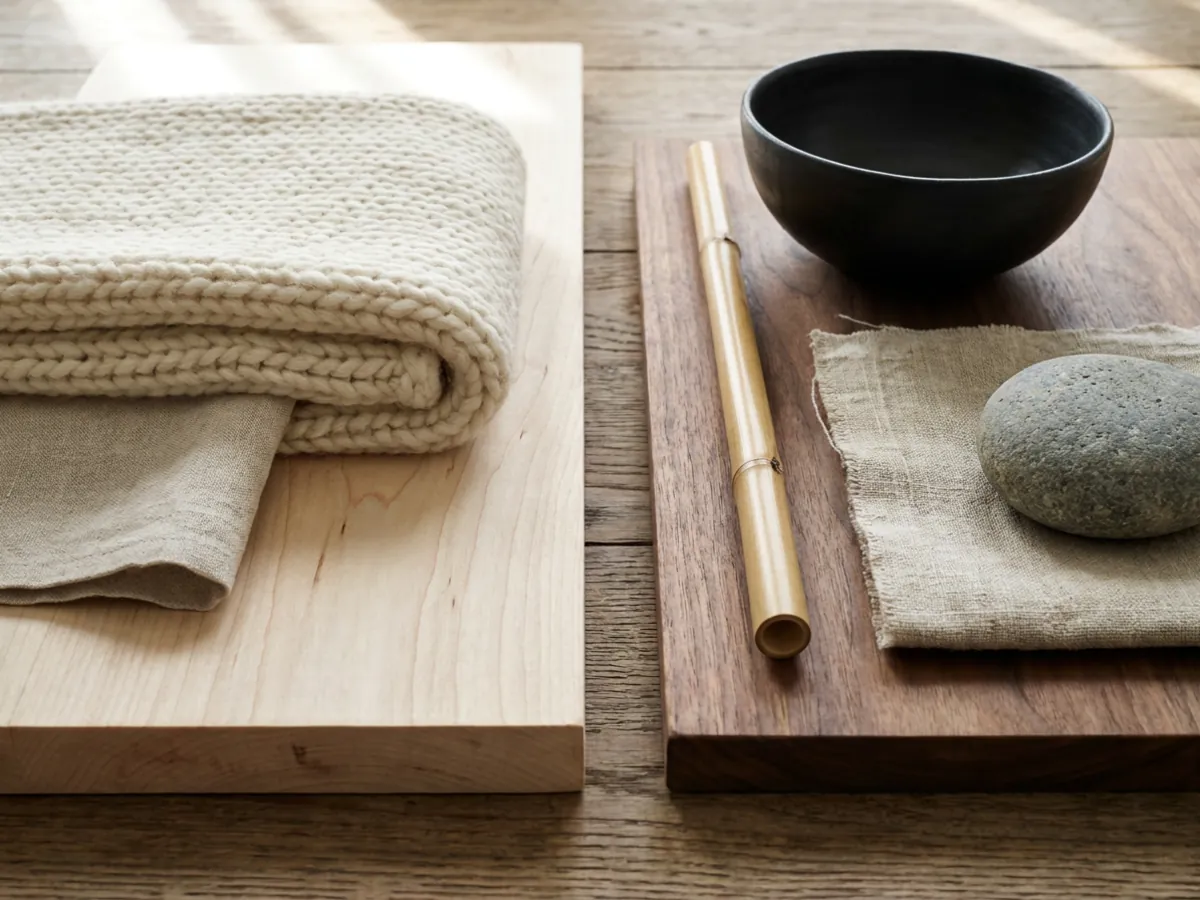
Both styles are built on natural materials, but they choose different ones. Scandinavian favors pale, light-reflecting woods, birch, ash, and light oak, alongside wool, cotton, and plenty of soft textiles. Japandi reaches for warmer and darker woods like walnut and deeper oak, and adds more tactile, earthy materials, rattan, stone, ceramic, paper, and matte black metal for fine contrast.
The result is a difference you can feel as much as see. A Scandinavian room is soft and bright, with wood that keeps things light. A Japandi room is a little deeper and more textural, with wood and stone that add weight and calm. Both keep to natural, honest materials, but Japandi leans into contrast and craft where Scandinavian leans into lightness and softness.
Furniture shapes and silhouettes
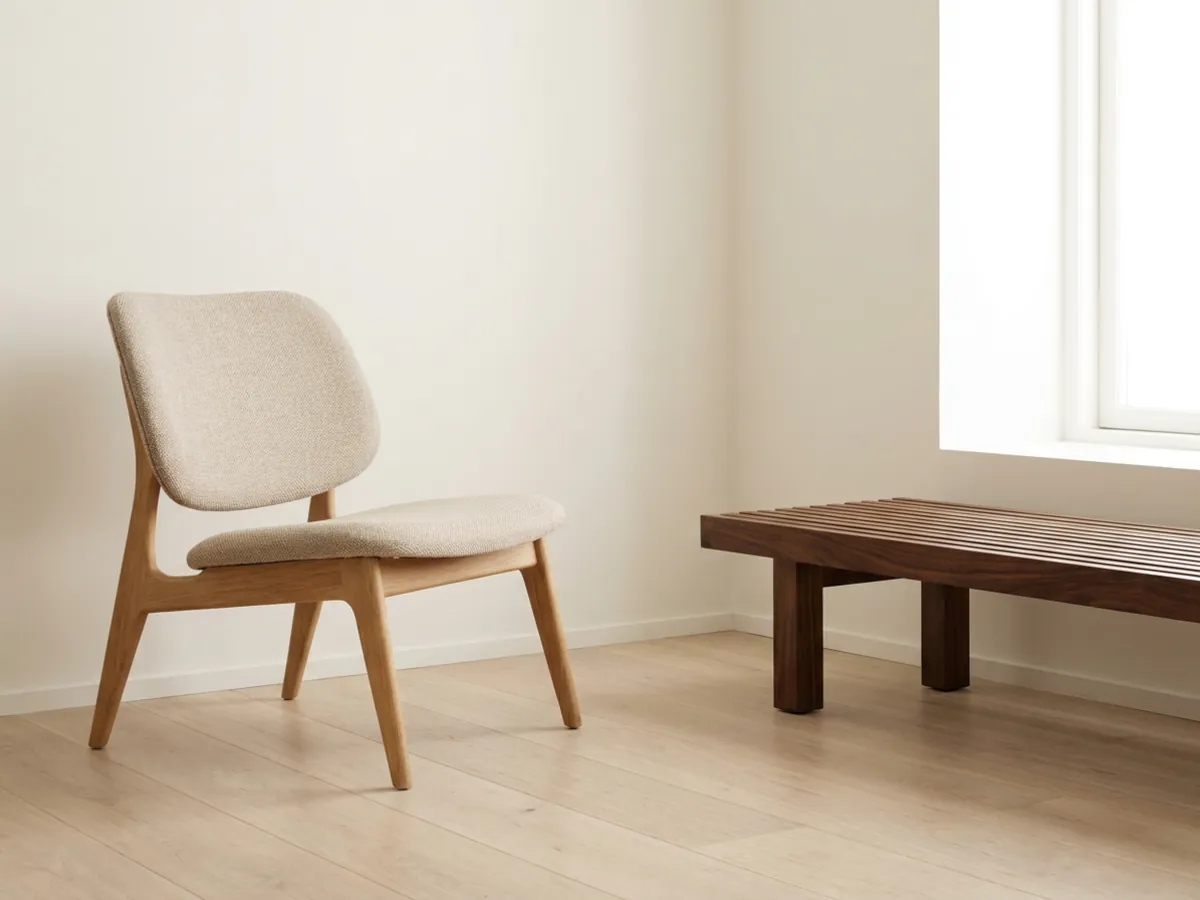
Furniture is where the Japanese influence shows most clearly. Scandinavian furniture is clean-lined and functional, often on slim tapered legs that lift it off the floor and keep the room feeling light and airy. Japandi furniture sits lower and more grounded, with simple, sometimes heavier forms that stay close to the floor, echoing Japanese design.
That height difference has a real effect on a room. Scandinavian pieces make a space feel taller and more open; Japandi pieces make it feel calmer and more anchored. Both prize simplicity and quality over quantity, but Scandinavian floats and Japandi settles. If you are torn, this is often the deciding feeling: do you want the room to lift, or to ground you.
Light and atmosphere
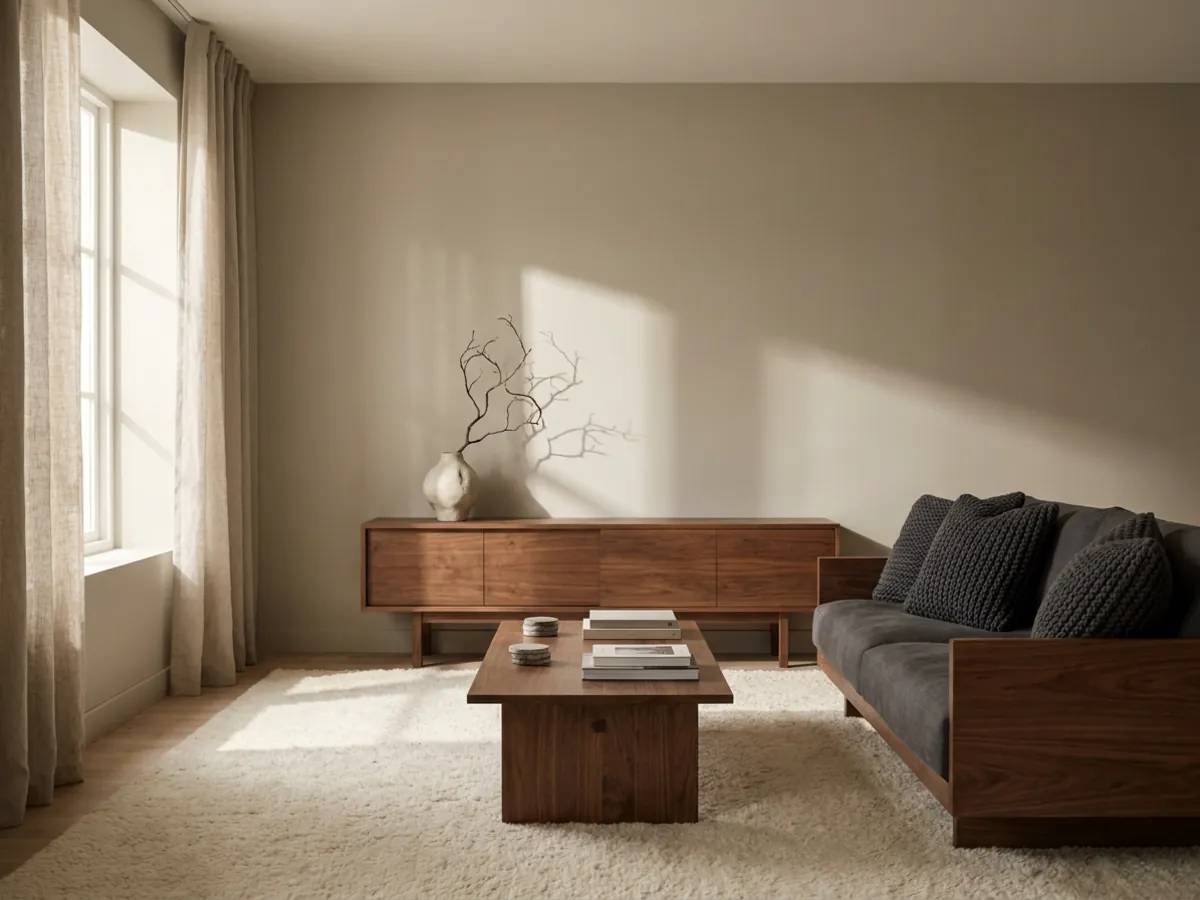
The two styles handle light and mood differently. Scandinavian is all about brightness: it maximizes daylight, keeps rooms open and reflective, and aims for a cheerful, airy feeling. Warmth comes from soft textiles and cozy hygge styling rather than from the colors themselves. Japandi is calmer and a touch more shadowed, embracing softer, warmer light and a little more contrast, so the mood is serene and meditative rather than bright and lively.
Neither is darker than the other in any absolute sense; they simply balance light and warmth in different ways. Scandinavian gets its warmth from styling on top of a cool, bright base. Japandi builds warmth into the palette and light itself. If you want a room that feels uplifting, lean Scandinavian; if you want one that feels like a retreat, lean Japandi.
Decor, textiles, and styling
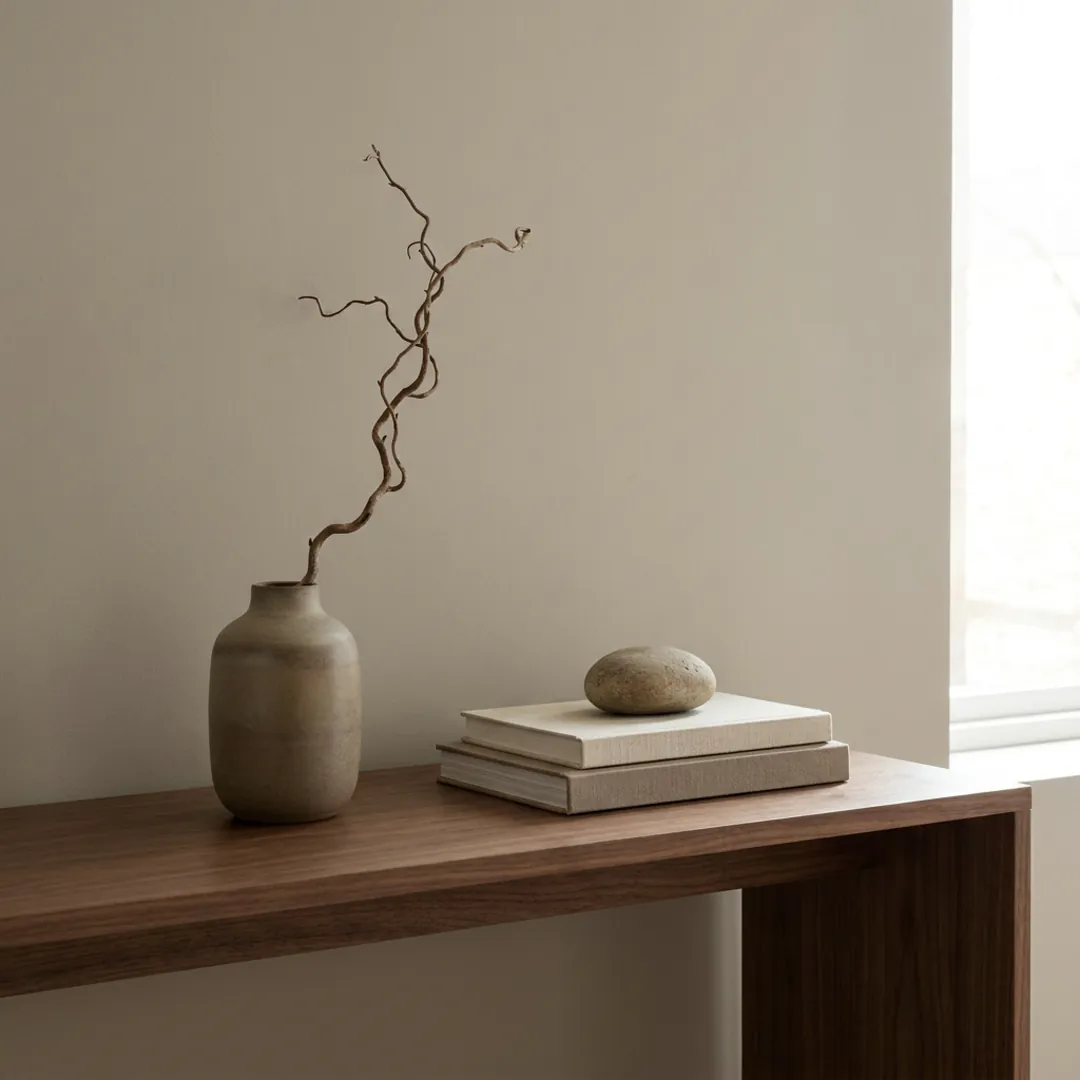
Styling is the final tell. Scandinavian leans cozy: layered textiles, sheepskins, cushions, candles, and a few cheerful touches, all in service of hygge comfort. It is minimal, but it is a soft, warm minimalism that invites you to pile on a throw. Japandi is more curated and pared back: fewer objects, each chosen with intention, more negative space, and a preference for handmade, imperfect pieces over soft layers.
This is also the easiest place to accidentally cross the line. Adding lots of soft layers to a Japandi room pulls it back toward Scandinavian, while stripping a Scandinavian room down to a few curated objects pushes it toward Japandi. If you know which direction you want, you can dial the styling accordingly, more layers for cozy, fewer for calm.
The same room in both styles
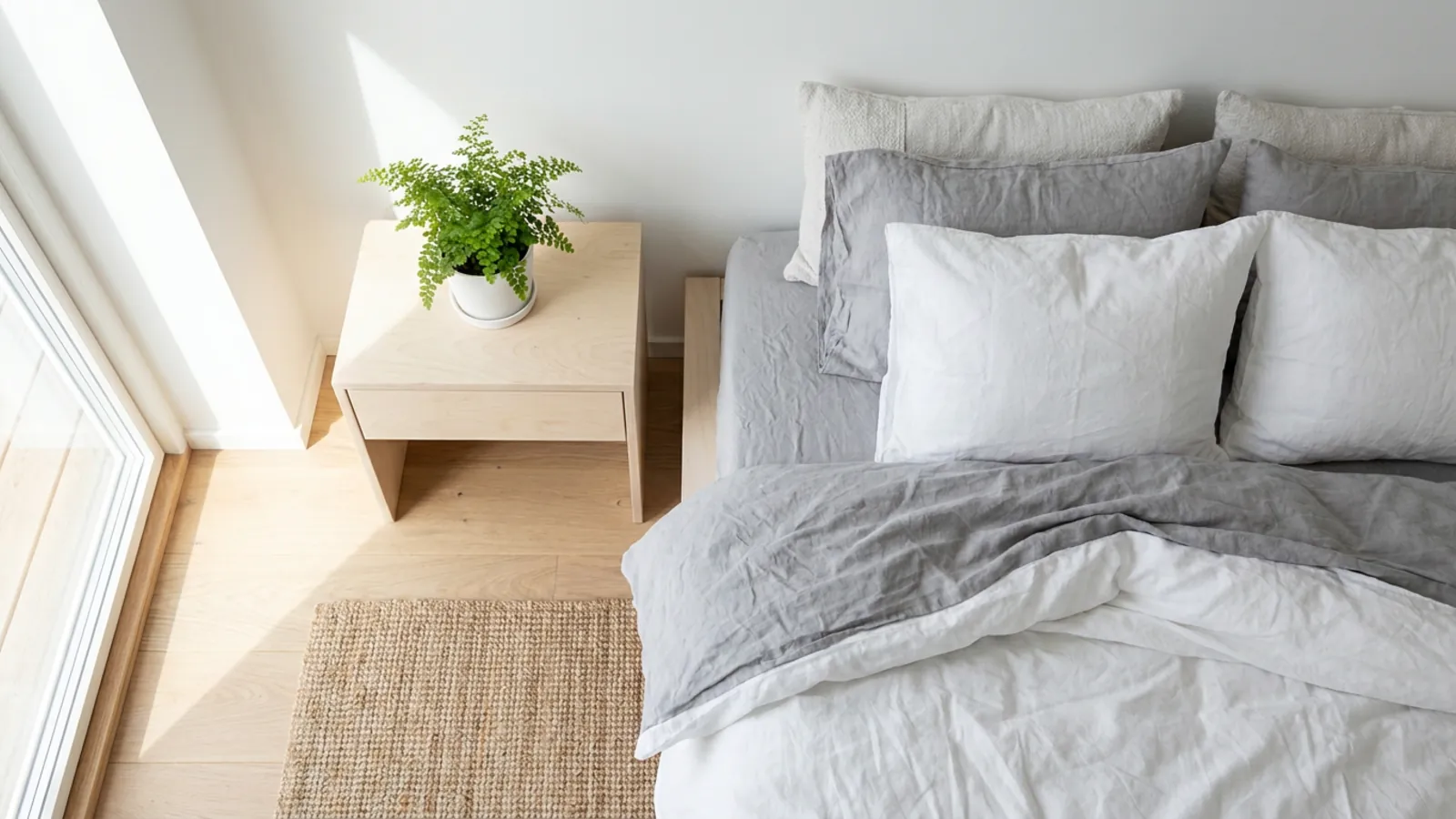 Scandinavian
Japandi
Scandinavian
Japandi
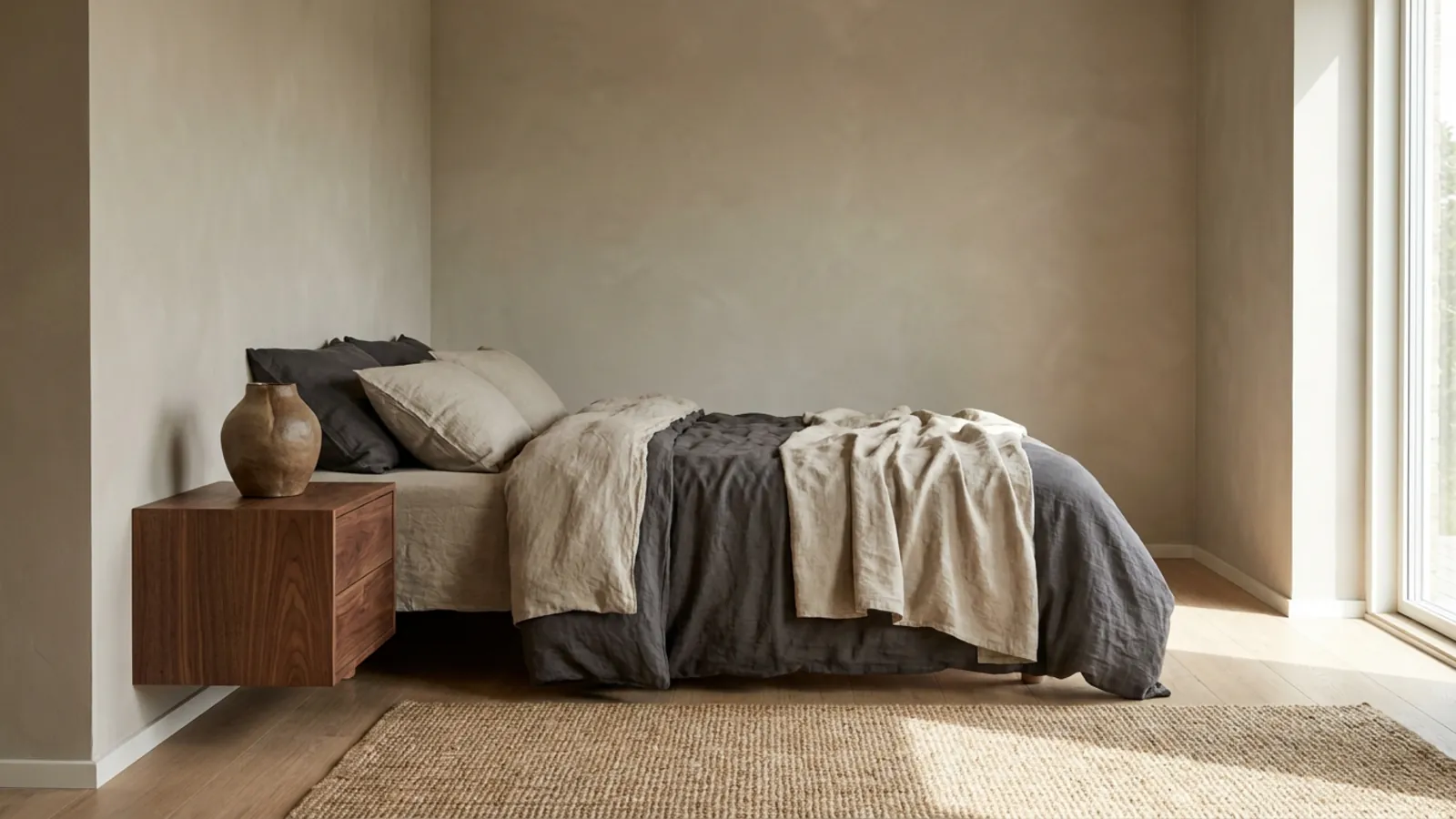
Seeing one room in both styles makes the difference click. The Scandinavian version is bright and airy: white walls, a pale birch nightstand, soft grey and white layered bedding, a small plant. The Japandi version is calmer and earthier: warm greige walls, a walnut nightstand, charcoal and sand bedding, a single ceramic vase. Same room, same layout, two different moods.
Slide between them and you can feel the shift from cool-bright to warm-grounded, from soft-layered to curated-calm. It is the same handful of differences, palette, wood, and styling, working together. This is exactly the comparison to run on your own space before deciding, which the final section covers.
How to choose, or blend both
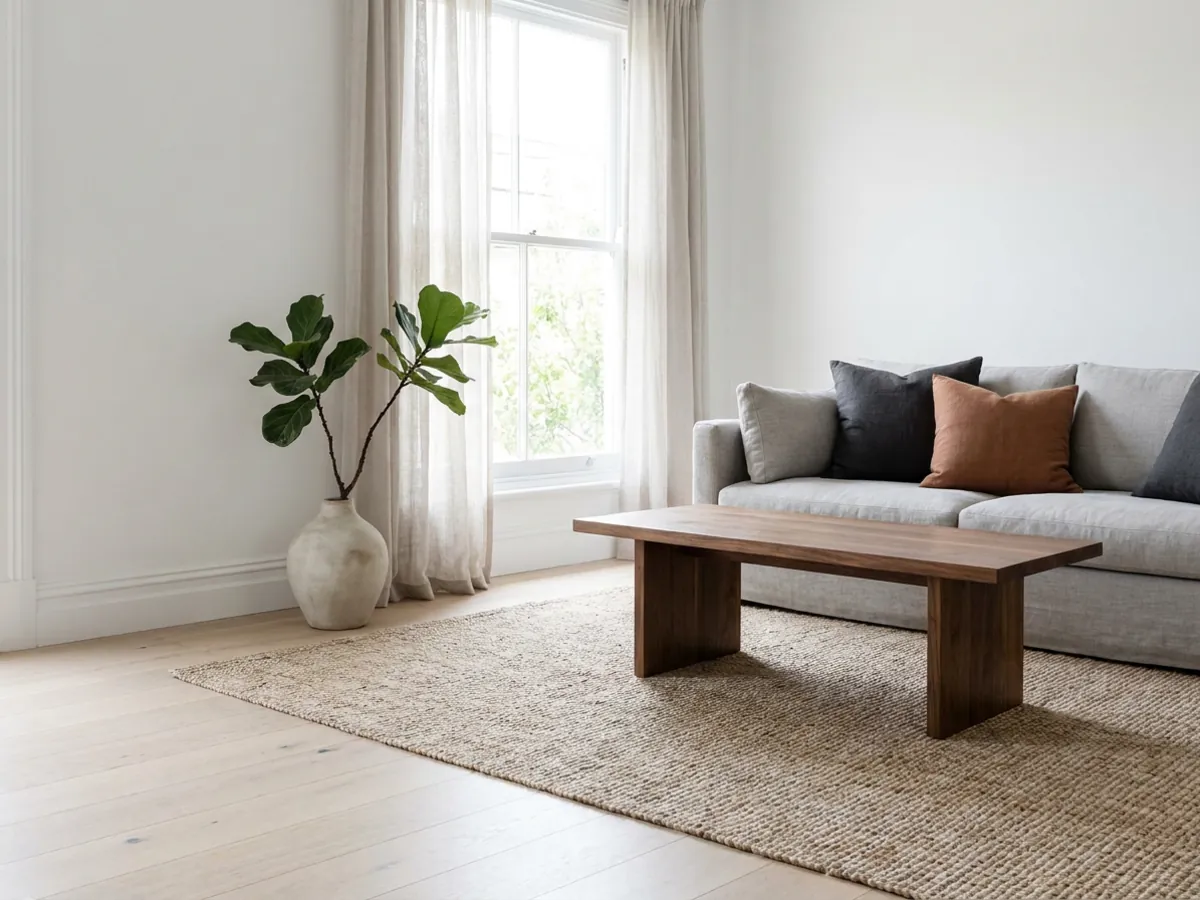
Choosing comes down to the feeling you want. Pick Scandinavian for a light, bright, cozy home that lifts the mood, especially if your space is short on daylight. Pick Japandi for a calm, grounded, retreat-like home with more warmth and contrast. Neither is more correct; they simply aim at different feelings.
You can also blend them, and they mix easily because Japandi already contains Scandinavian influence. A common approach is to keep a light Scandinavian base, then add warmer woods like walnut, a few earth-tone accents, and lower, cleaner-lined furniture. The one thing to watch is decoration: piling on soft layers pulls the blend back toward pure Scandinavian, so keep the styling restrained. A blend gives you Scandinavian brightness with Japandi calm, which for many homes is the best of both.
See your own room in Scandinavian or Japandi
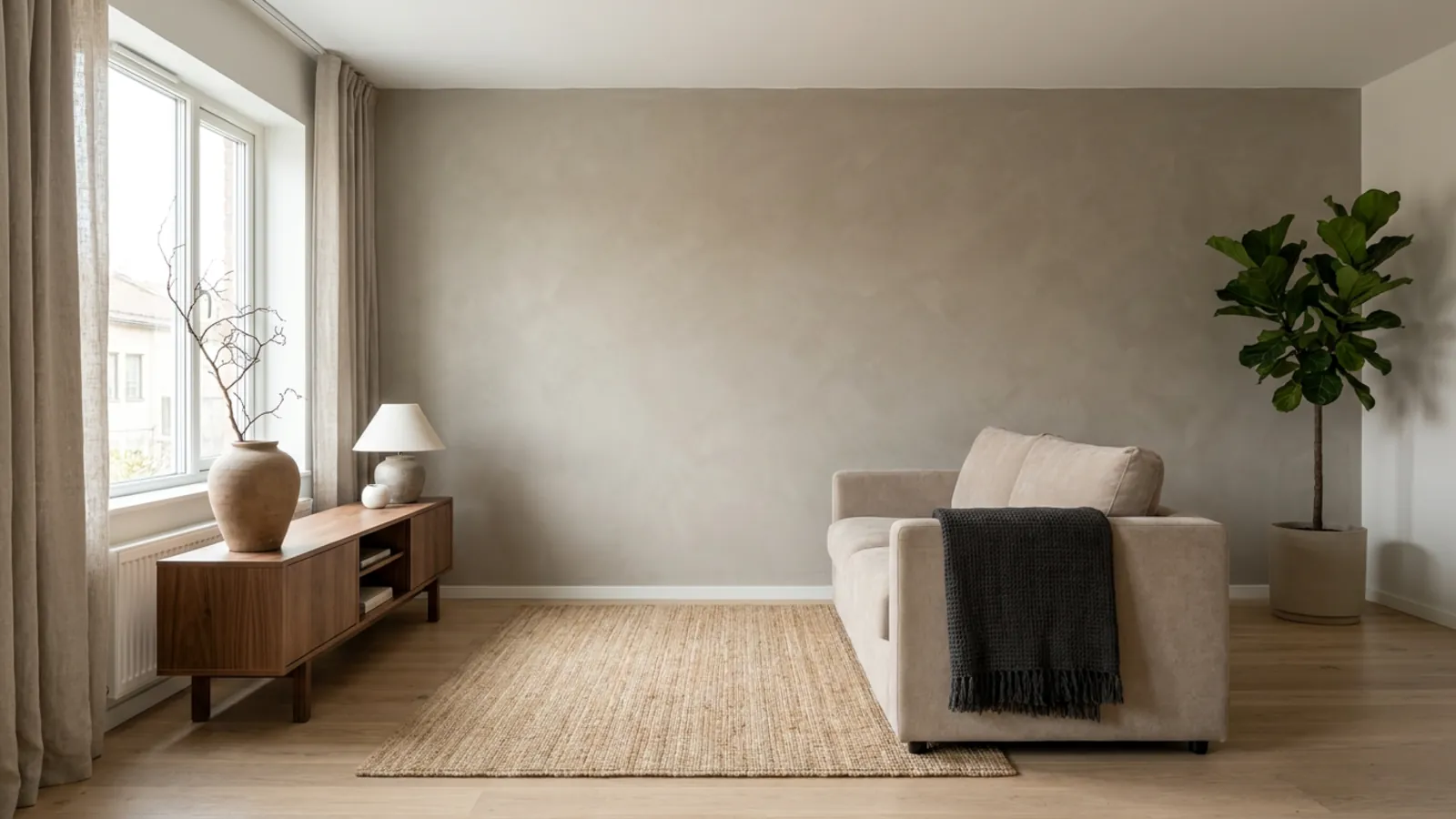
The surest way to decide is to see both on your actual room. Upload a photo and restyle it in Scandinavian, then in Japandi, keeping your layout and windows, and compare the two moods on your own space rather than in the abstract. Seeing your real room bright and airy next to warm and grounded usually makes the choice obvious.
The first render is free with no signup, so you can test both directions before buying anything. Explore a Scandinavian living room or a Japandi bedroom for reference, compare the tools in our interior design software, and then restyle your own room in each. You can also redesign a room from a photo, design a bedroom, or a kitchen, in whichever direction wins.
Frequently asked questions
What is the difference between Scandinavian and Japandi? +
Both are minimalist styles built on clean lines and natural materials, so they look similar at first glance. Scandinavian is lighter and airier, built on white and pale neutrals with light woods like birch and ash. Japandi keeps that minimal base but warms it with earthy tones, darker woods like walnut, and a bit more contrast, drawing on Japanese wabi-sabi alongside Scandinavian function.
Is Japandi just a type of Scandinavian design? +
Not quite. Japandi is a hybrid that blends Scandinavian design with Japanese minimalism, so Scandinavian is one of its two parents rather than its whole identity. The Japanese influence is what adds the warmer palette, lower furniture, and more curated, pared-back styling that set Japandi apart.
What colors define Scandinavian versus Japandi? +
Scandinavian centers on white, light grey, and pale pastels chosen to keep rooms bright and reflect natural light. Japandi starts from warm neutrals like beige, sand, and greige, then grounds them with earthy accents such as charcoal, terracotta, deep green, and indigo. In short, Scandinavian reads cool and bright while Japandi reads warm and grounded.
Can you mix Scandinavian and Japandi styles? +
Yes, and they mix easily because Japandi already contains Scandinavian influence. A common approach is to keep a light Scandinavian base, then add warmer woods like walnut, a few earth-tone accents, and lower, cleaner-lined furniture. The main thing to watch is decoration, since piling on soft layers pulls the room back toward pure Scandinavian.
Which style feels warmer, Scandinavian or Japandi? +
Japandi generally feels warmer and more grounded because of its earthy tones, darker woods, and gentle contrast. Scandinavian feels brighter and airier, with warmth coming from soft textiles and cozy hygge styling rather than the color palette itself. Neither is inherently darker, they simply balance light and warmth in different ways.
Which works better for a small space? +
Both can suit a small room, so it depends on the effect you want. Scandinavian light neutrals bounce daylight and make a compact room feel more open and bright. Japandi keeps a small room calm and uncluttered through pared-back styling, though its darker accents work best where there is decent natural light.
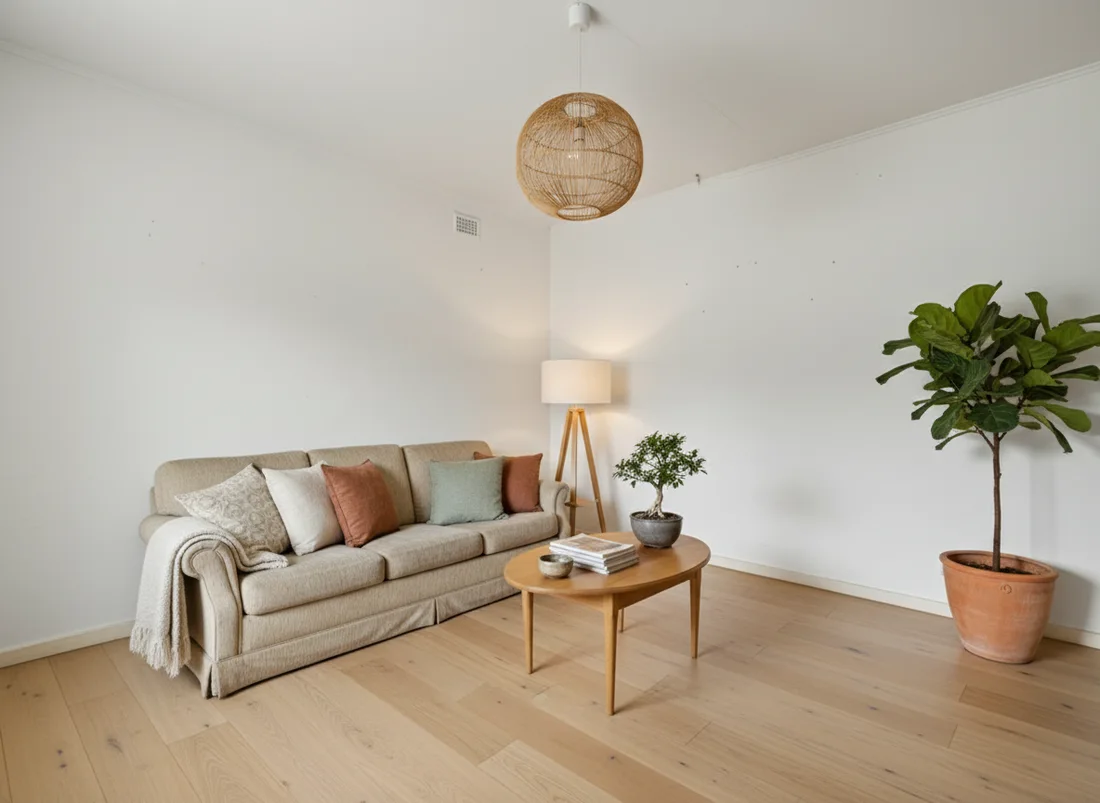 After
After
 Before
See it on your own room
Your room, redesigned
Upload one photo and watch your room restyled in a wide range of designer looks. Your walls, windows and layout stay exactly as they are.
Try it free, no signupOne photo. In seconds. No signup.