restylai blog
Virtual Staging Cost in 2026: Per Photo and Per Project
Updated July 19, 2026 · by the restylai team
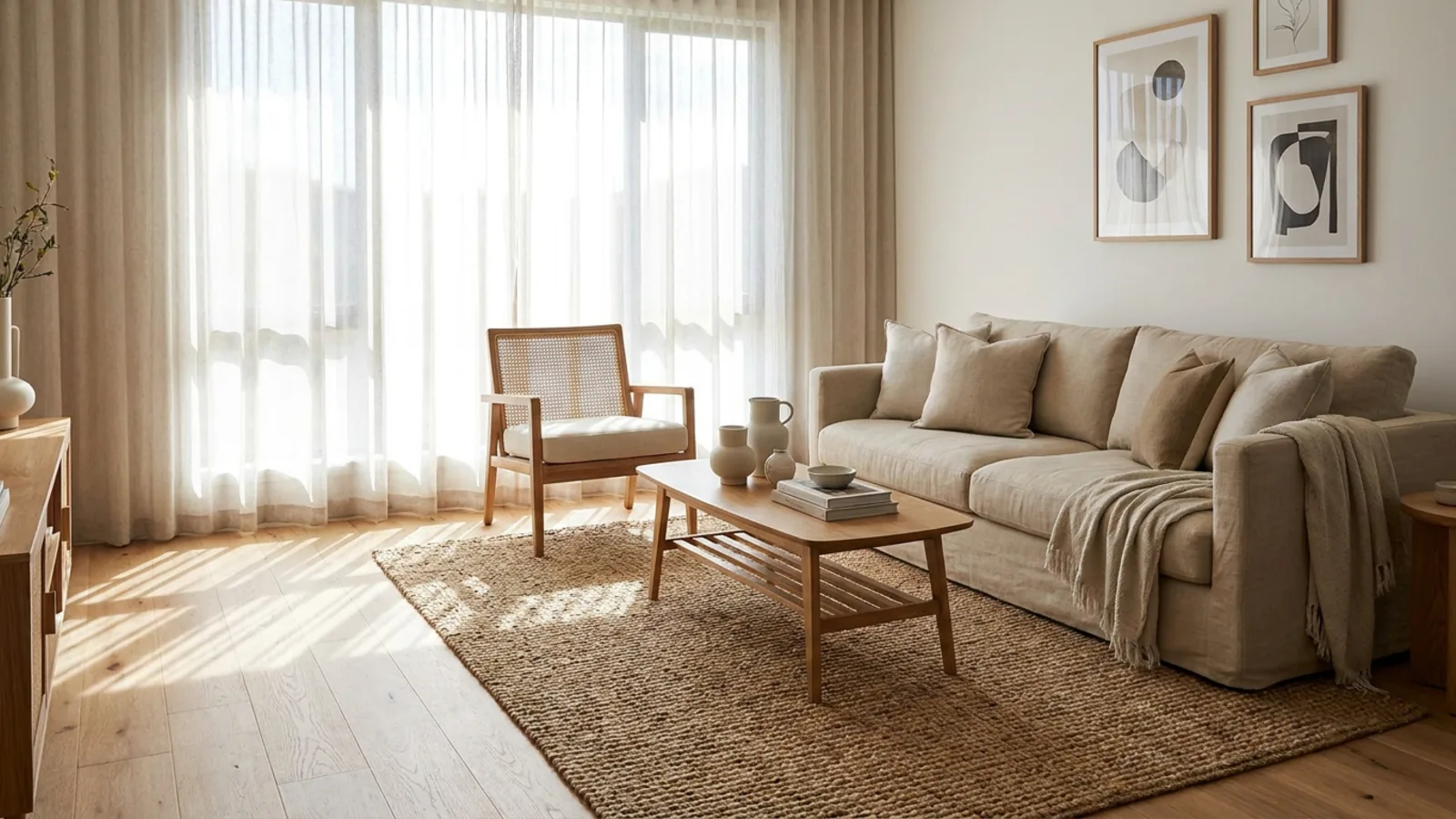
What virtual staging costs in 2026, at a glance
Virtual staging in 2026 spans a wide range depending on who does the work. AI and do-it-yourself tools are the cheapest, running on a subscription with the first render free. Human-edited services, where a designer places furniture by hand, cost roughly $25 to $75 per photo. Full-service or agency work for complex or luxury listings runs about $75 to $200 per photo, and per-listing flat rates commonly land around $50 to $150 for a set of a listing's photos.
Those are the headline numbers. The rest of this guide covers per-photo pricing in detail, per-project and per-listing pricing, an honest three-way comparison of physical versus virtual versus AI staging, whether it pays back, and the disclosure rules that keep staged photos legitimate, plus a low-cost DIY route you can try for free.
Virtual staging cost per photo
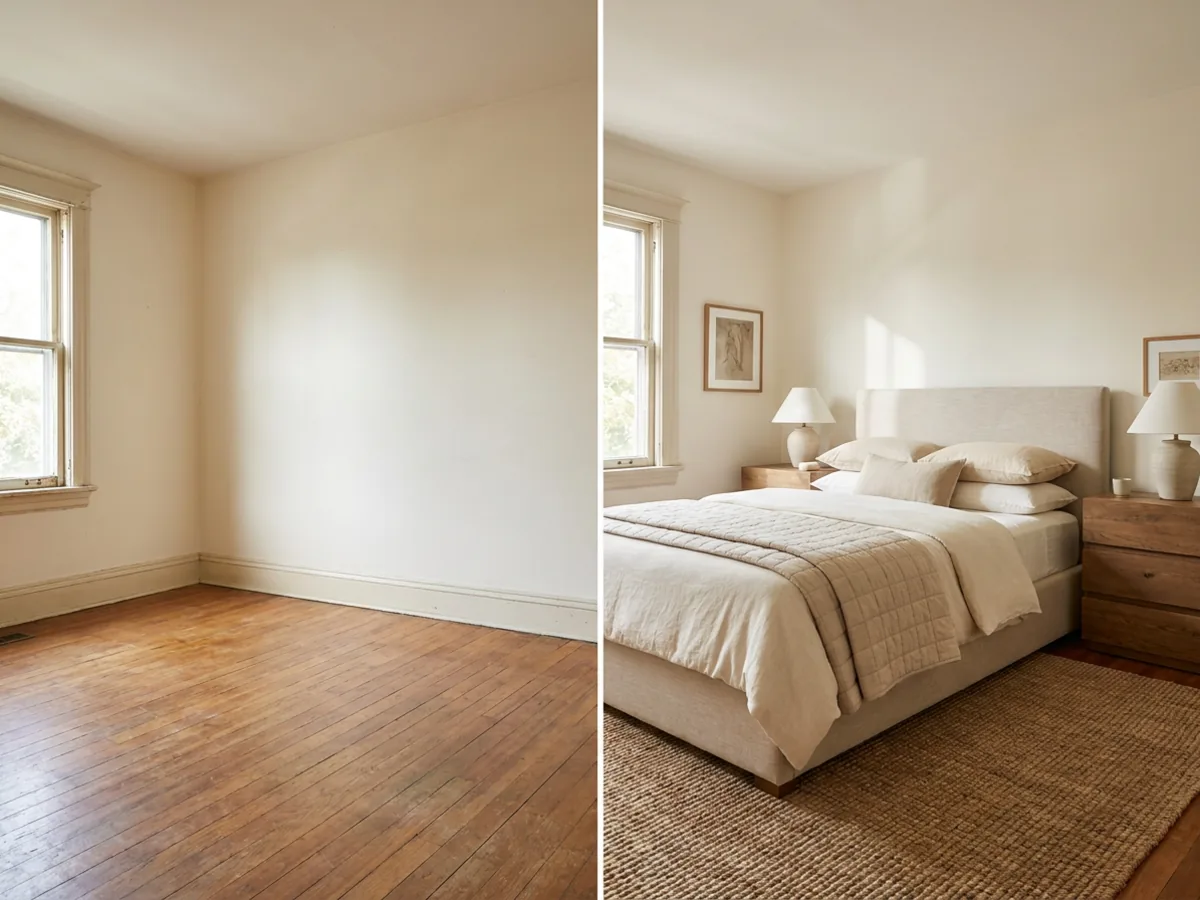
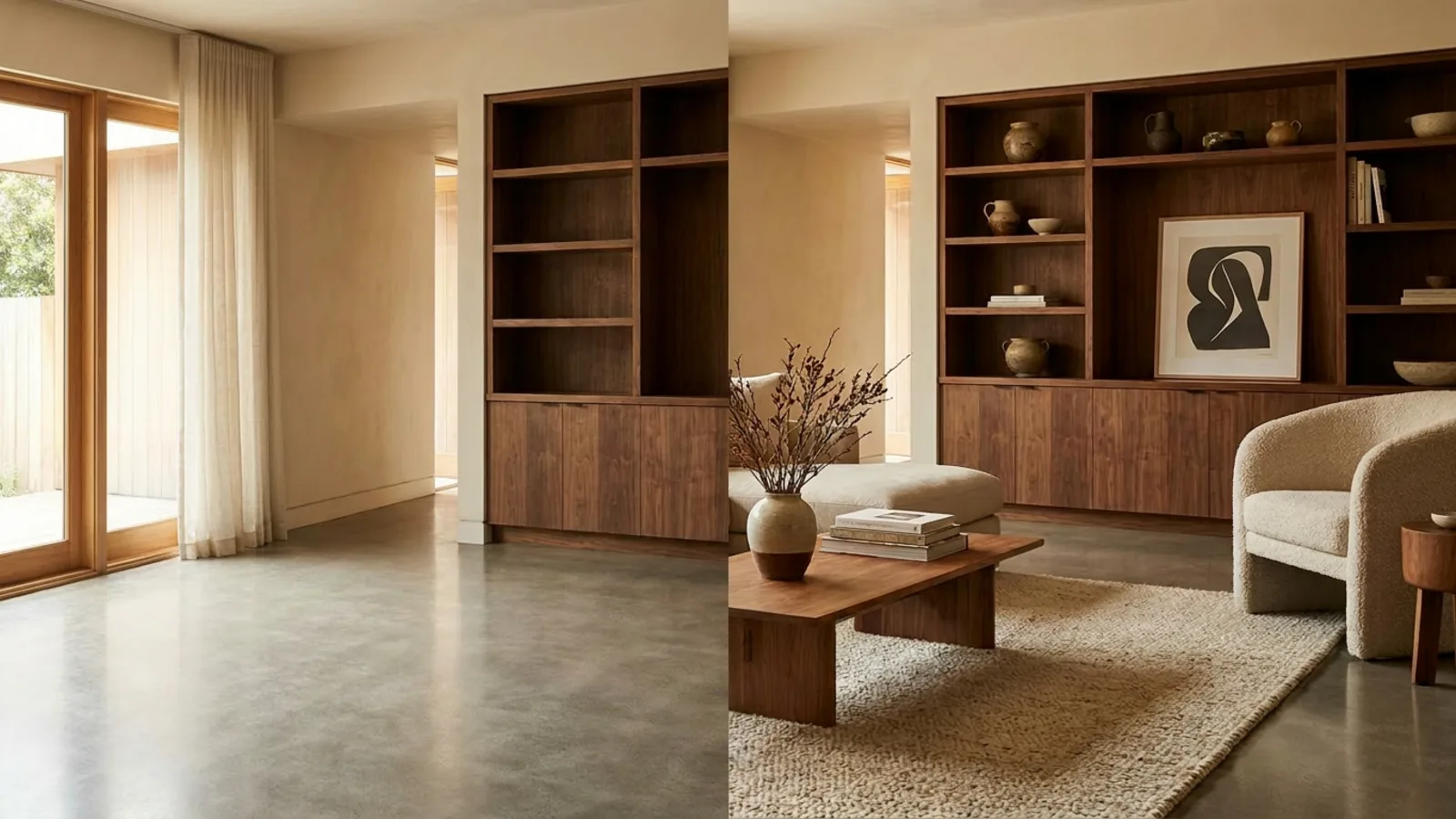
 Before
Staged
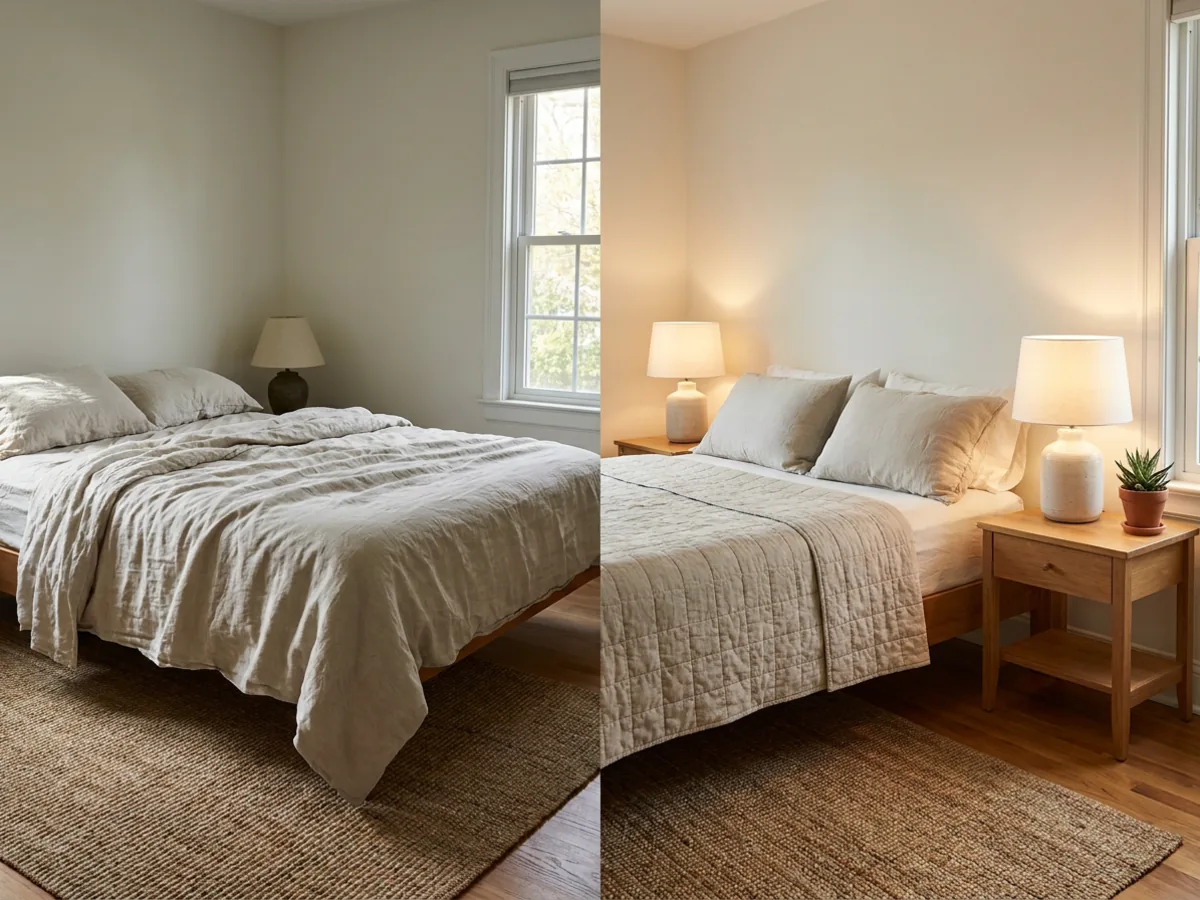
Before
Staged
Per-photo pricing, the most searched version of this question, breaks into three tiers, and the gap between them is essentially automation versus human hours.
- AI and DIY tools (lowest). You upload the photo and the tool furnishes the room. These run on a subscription with a free first render, so the effective per-photo cost is very low, especially across many rooms.
- Human-edited services, about $25 to $75 per photo. A designer places furniture by hand for each image, which adds realism on tricky rooms and adds time and cost.
- Full-service or agency work, about $75 to $200 per photo. For complex or luxury listings where the marketing budget justifies bespoke, hand-finished results.
| Tier | Typical cost per photo | What you get |
|---|---|---|
| AI / DIY tools | Subscription, first render free | Instant, self-serve staging from a photo |
| Human-edited | $25 to $75 | A designer places furniture by hand |
| Full-service / agency | $75 to $200+ | Bespoke work for complex or luxury listings |
One thing worth knowing when you compare: a subscription usually lowers the effective per-photo cost against buying single images, because a plan spreads across many rooms rather than charging for each one. If you stage more than a handful of photos, a flat plan is almost always cheaper per image than pay-as-you-go.
Virtual staging cost per project or per listing
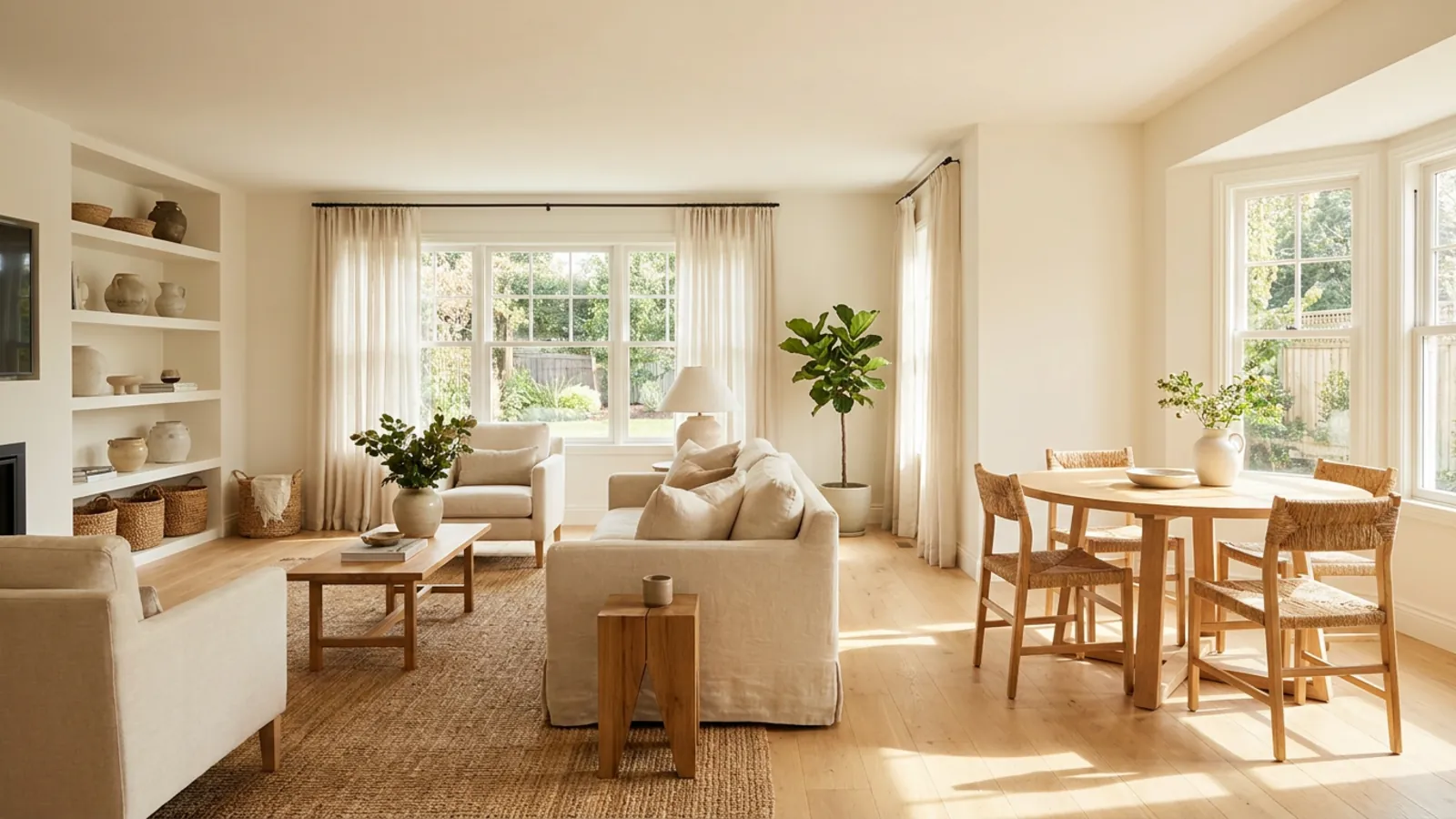
Most people do not buy one photo, they stage a whole listing, and there are two billing models. Per photo means you pay for each image. Per listing or per project means one flat price covers every room, commonly around $50 to $150 for a listing's set of photos with human-edited virtual staging.
A worked example makes the difference clear. A small home with three or four staged rooms is cheap either way, so per-photo is fine. A larger home with six to eight rooms adds up quickly on a per-photo model, so a per-listing flat rate, or a subscription, usually wins. And if you stage several properties, a subscription is often the cheapest route of all, because the plan cost is fixed while the number of rooms is not.
Physical staging vs virtual staging vs AI DIY: the 2026 comparison
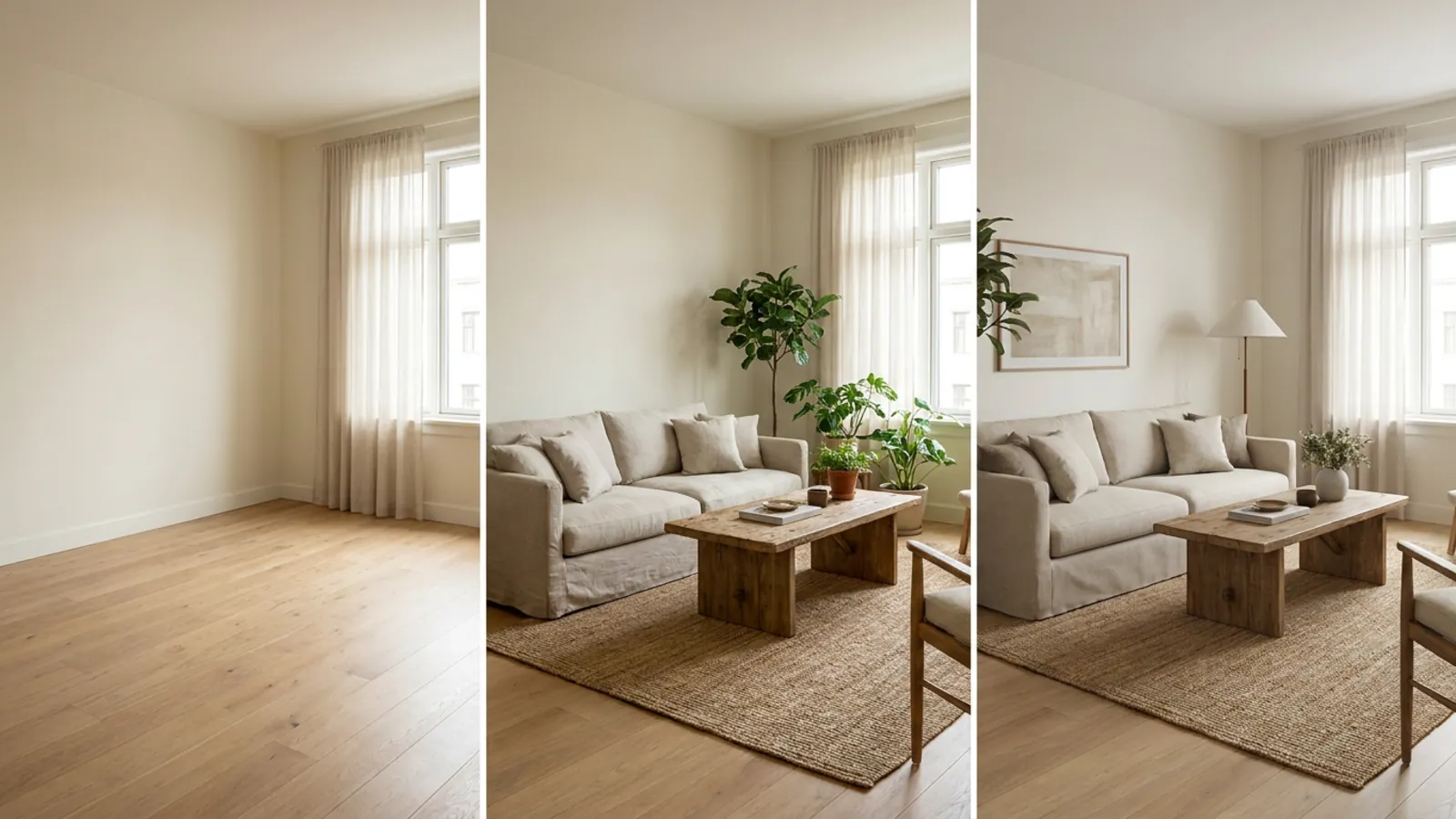
Here is the comparison the vendor pricing pages never give you, a true three-way look rather than one company against another.
| Physical staging | Human-edited virtual | AI / DIY | |
|---|---|---|---|
| Typical cost | Low thousands per home, often hundreds per room per month | $25 to $75 per photo | Subscription, first render free |
| Turnaround | Days to weeks | 24 to 48 hours typically | Seconds to minutes |
| Effort | High, real furniture and movers | Low, you send photos | Low, self-serve |
| Realism | Real, buyers touch it | High | High from a clear photo |
| Best for | In-person showings | Tricky rooms, hands-off | Online marketing, volume, budget |
| Main limitation | Cost and time | Per-photo cost adds up | You keep it honest |
Physical staging costs the most and takes the longest because it involves real furniture and movers, but a buyer walking the home actually sees and touches it, which is why it still earns its place for open houses. Human-edited virtual staging is the middle path, designer time applied to your photos. AI DIY is the fastest and lowest cost, done straight from a photo, with the honest tradeoff that whoever makes it is responsible for keeping it truthful. Many sellers use both, physical for in-person showings and virtual for the online photos that get the clicks.
What actually changes the price
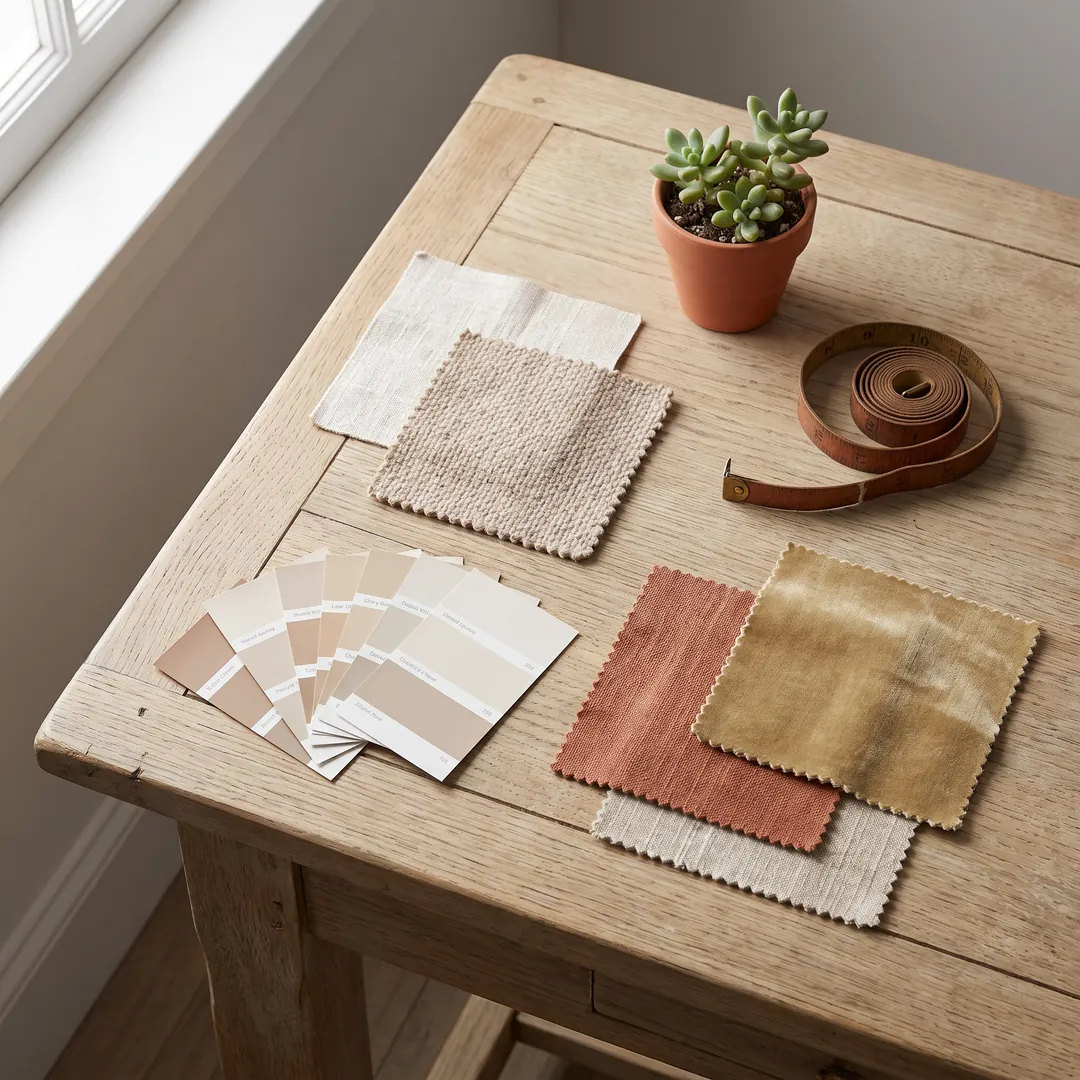
Knowing the cost drivers lets you predict your own bill and avoid overpaying:
- Number of photos or rooms. The single biggest factor on a per-photo model.
- Room type and complexity. An empty room is simpler than one with existing furniture to remove first.
- Design quality and realism. Bespoke, hand-finished work costs more than a standard fill.
- Revisions. Each round of changes on a human-edited service adds time and often cost.
- Turnaround speed. Rush work is priced at a premium.
- Licensing. Commercial-use rights are sometimes an add-on rather than included.
The DIY route collapses several of these at once. Revisions and turnaround are effectively instant and self-serve, so the variables that inflate a human-edited quote, extra rounds, rush fees, per-image charges, simply do not apply.
Is virtual staging worth the cost? ROI in plain terms
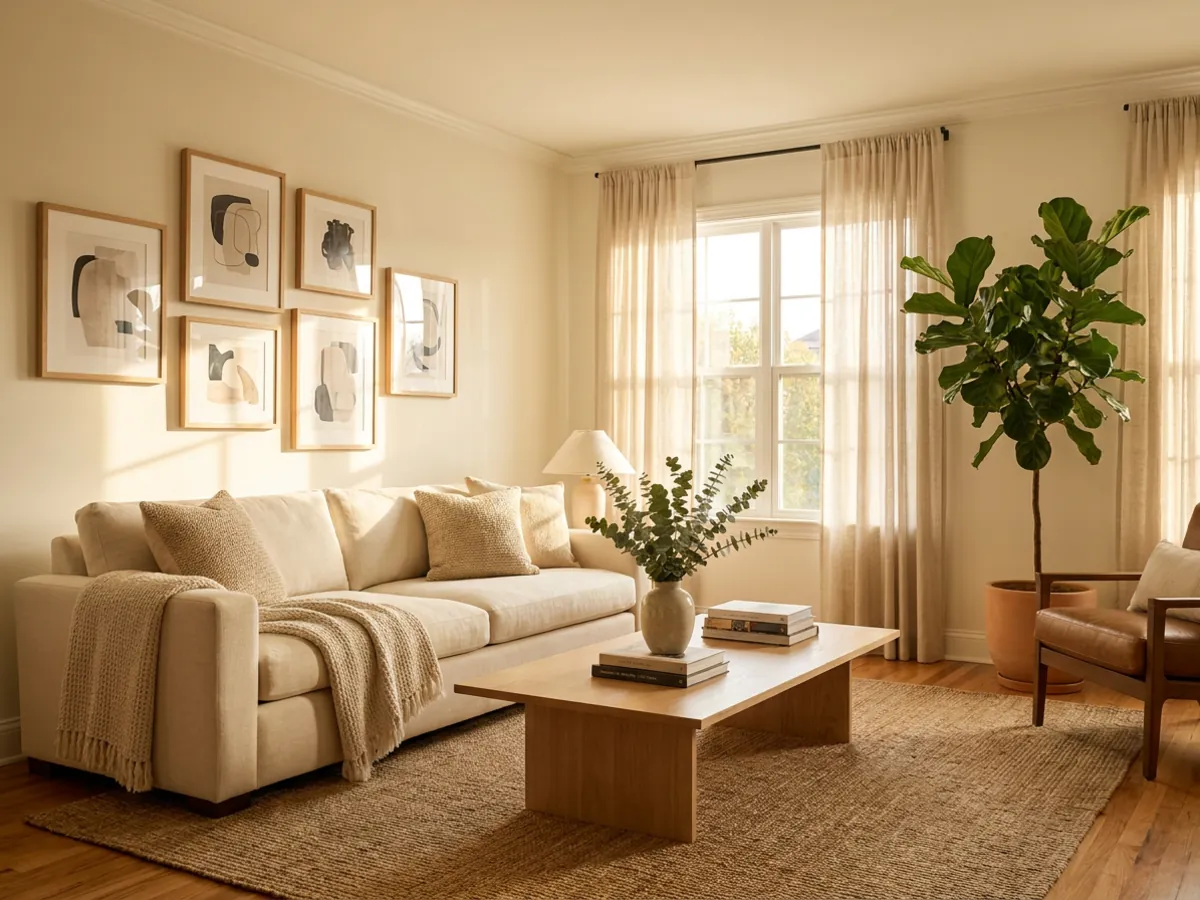
The logic of the return is simple, and you do not need a precise percentage to see it. Staging costs a known, usually small amount, and the hoped-for return is a faster sale and stronger buyer interest driven by better listing photos, since the cover photo is the single biggest factor in whether a listing gets clicked at all.
Because virtual and AI staging cost far less than physical staging, the bar to break even is low. When the whole spend is a subscription or a modest per-photo fee, it does not take much of an uplift in interest to justify it. That shifts the real question away from "is it worth the money" and toward "is it good quality and is it honest," which is what the next section is about.
Disclosure rules and honest virtual staging in 2026
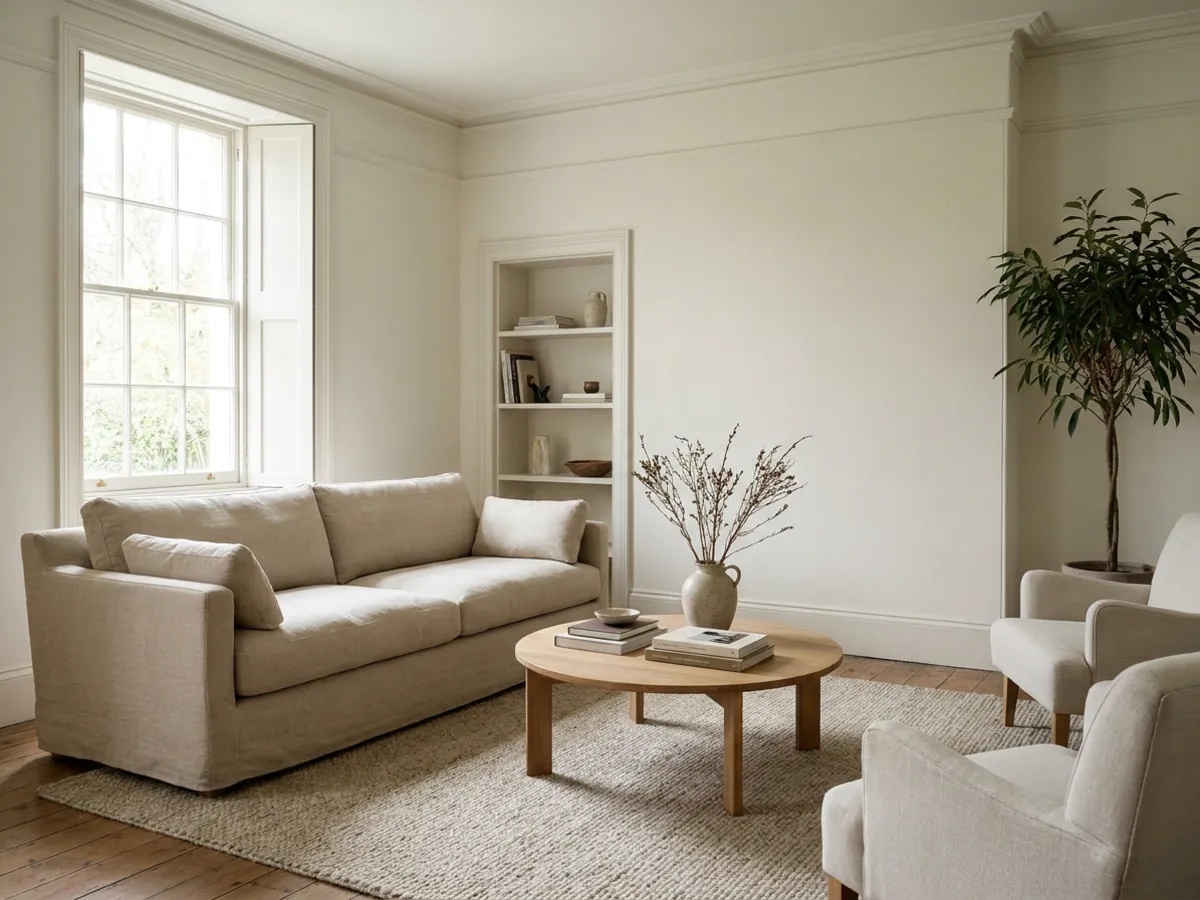
This is the part thin pricing pages skip and the part that matters most for trust. Virtual staging is allowed, but it should be disclosed. In practice that means labeling staged photos or noting them in the listing description, and some boards also want the original unedited photo available alongside the staged one.
The hard line is this: staging may show a room's potential, but it must never hide defects, change the dimensions, or alter permanent features. Adding a sofa and a rug to an empty room is fine. Removing a damp patch, erasing a support column, or making a room look bigger than it is crosses from marketing into misrepresentation. Always check your local rules, since they vary and some tightened in 2026. Honest staging is also simply better business, a buyer who feels misled at the viewing is a buyer you have lost, so keeping the room truthful protects the sale as much as it protects you.
The low-cost DIY route: staging a photo yourself with AI
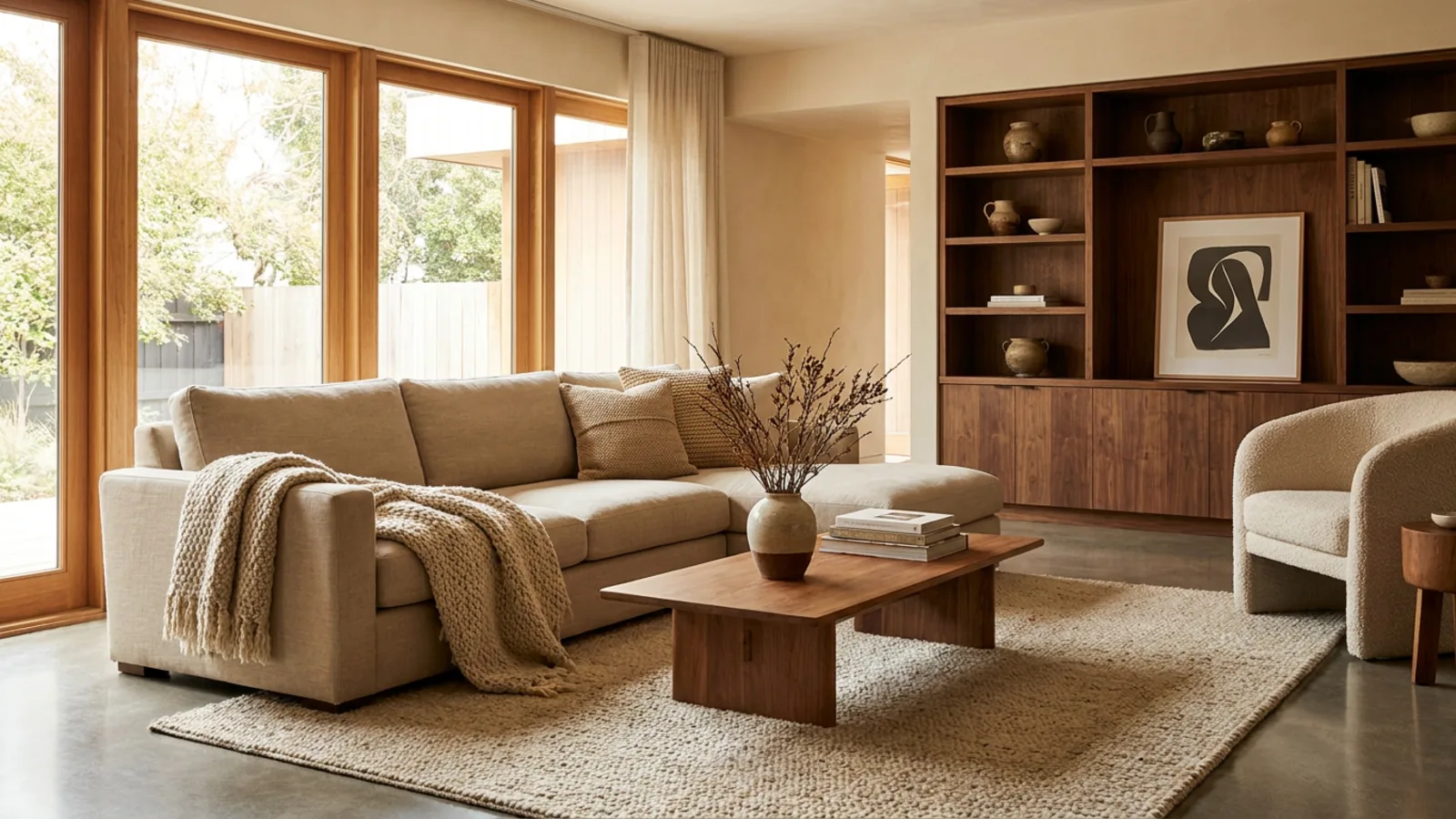 Before
AI staged
Before
AI staged
The DIY path is the budget option, and it is genuinely simple. You upload a photo of the room, pick a look, and the AI restyles or furnishes it, and it can also produce a short video walkthrough of the result. This is where an AI virtual staging tool fits as the low-cost route: the first render is free, and it runs on a subscription for ongoing use rather than a trial or a one-time purchase.
You can restyle a room from a photo, redesign it in any style, or stage a bedroom digitally the same way, and the whole thing is self-serve. Tie it back to the section above: label AI-staged photos as virtually staged and keep the room's real features intact, and the DIY route is both the cheapest and a perfectly legitimate one. For the underlying tooling, see the AI interior design software behind it.
How to choose a service without overpaying
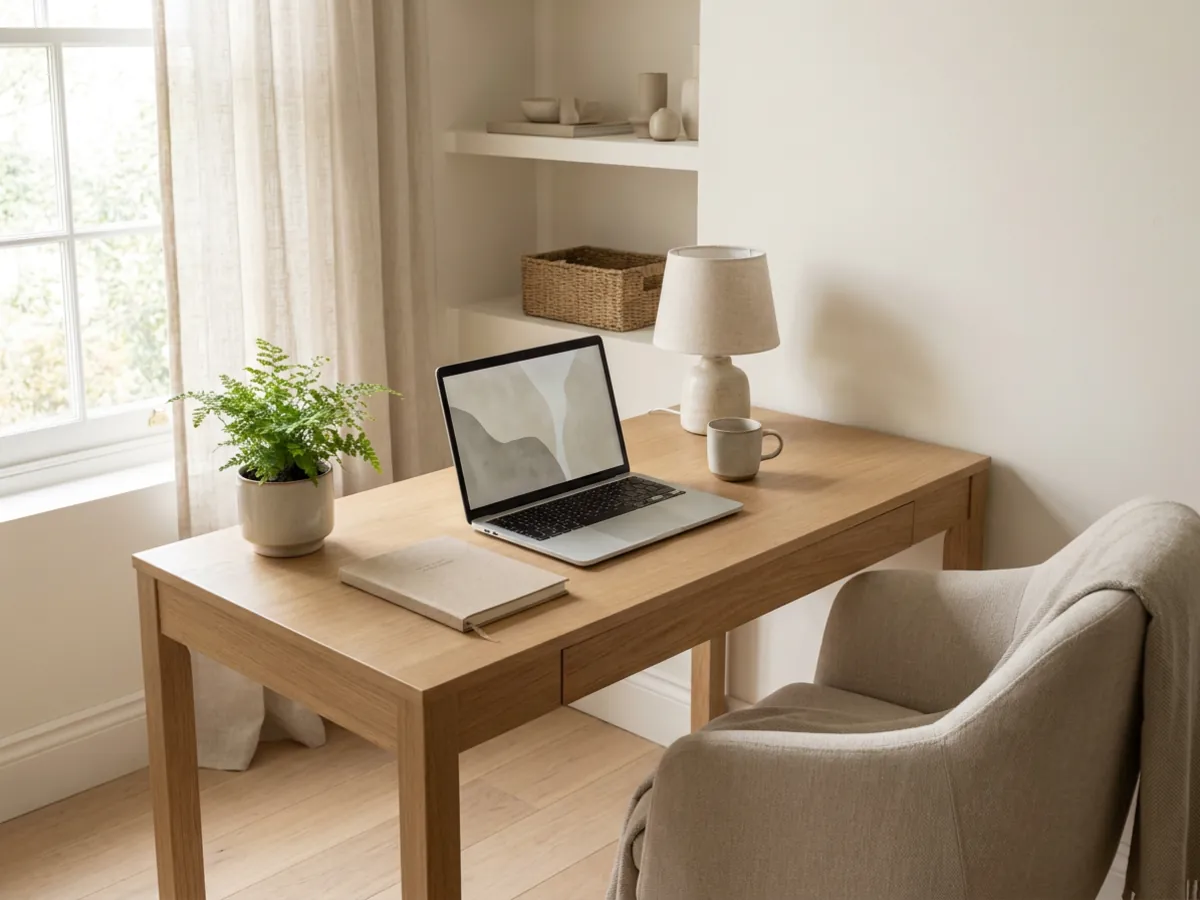
Match the method to the job, a single quick refresh is a different decision from a whole luxury listing, and ask any provider the same plain questions:
- What is the true per-photo or per-listing price, all in?
- How many revisions are included before extra charges start?
- What is the turnaround, and does rush cost more?
- Do you get commercial-use rights?
- Is the result realistic enough to disclose comfortably?
The common ways people overpay are buying single photos when a plan is cheaper, paying for rush they do not need, and over-editing a photo into something deceptive that has to be redone. If your job is online marketing photos and your budget is tight, the DIY route usually wins on every count. You can stage your first photo free and judge the quality on your own listing before spending anything. For inspiration on the looks that photograph best, browse modern living room ideas or a coastal bedroom.
Frequently asked questions
How much does property staging cost? +
Physical property staging is usually the most expensive option because it involves renting real furniture and paying for delivery and setup, so it is typically quoted per room or per month, often several hundred dollars per room per month and into the low thousands for a whole home. Virtual staging costs far less because the work is done digitally from photos, and AI or do-it-yourself staging sits at the low end, often on a subscription where the first render is free. The right choice depends on whether buyers will see the furniture in person or only in the listing photos.
Do buyers like virtual staging? +
Buyers generally respond well to virtual staging because furnished photos make it easier to picture how a room could be used, and clearly labeled staged images tend to perform on par with unlabeled ones. The key is honesty: staging should show a room's potential, not hide its true condition. Disclosing that a photo is virtually staged keeps trust intact while still giving the listing its appeal.
Is virtual staging realistic? +
Modern virtual staging, including AI tools, can look convincing when it starts from a clear photo and uses believable furniture and lighting. Realism depends on the quality of the source image and the care taken to match scale and perspective. Good staging keeps the room's real proportions and features and only adds furnishings, which is also what disclosure rules require. Poor staging that warps the room or hides defects is both unrealistic and against the rules.
How much is virtual staging per photo? +
Per-photo pricing spans a wide range in 2026. AI and do-it-yourself tools are the cheapest per image, often on a subscription with the first render free. Human-edited services run about $25 to $75 per photo because a designer places furniture by hand, and full-service agencies charge about $75 to $200 or more for complex or luxury work. A subscription usually lowers the effective per-photo cost because the plan spreads across many rooms rather than charging for each image.
Is virtual staging cheaper than physical staging? +
In almost all cases, yes. Physical staging carries the cost of real furniture, delivery, and setup, while virtual staging is done digitally from a photo, and AI do-it-yourself staging is cheaper still. Physical staging can still be worth it when buyers will experience the furnished space in person, such as at an open house, which is why many sellers use physical staging for showings and virtual staging for online marketing.
Can you stage a photo yourself? +
Yes. AI interior tools let you upload a photo of a room and restyle it into a furnished look on your own, and some can also generate a short video walkthrough. This is the lowest-cost route and is well suited to marketing photos, on a subscription with the first render free. As with any staged image, label it as virtually staged and keep the room's real features intact so it stays honest.
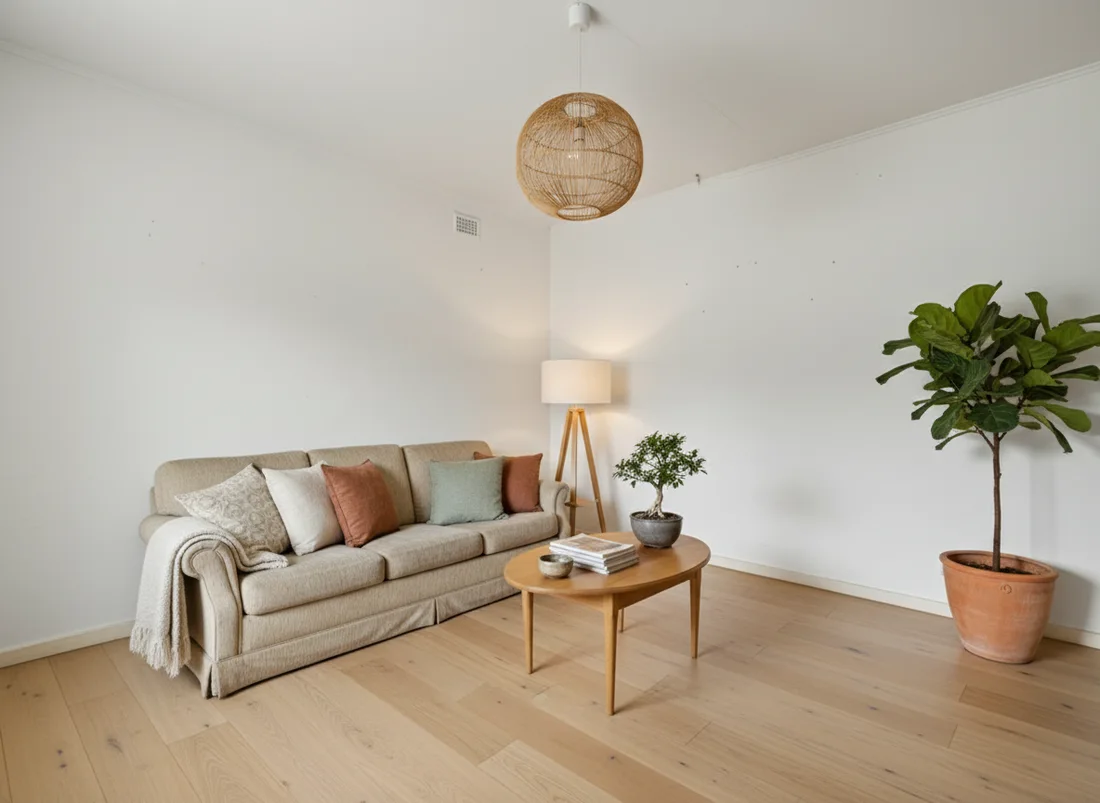 After
After
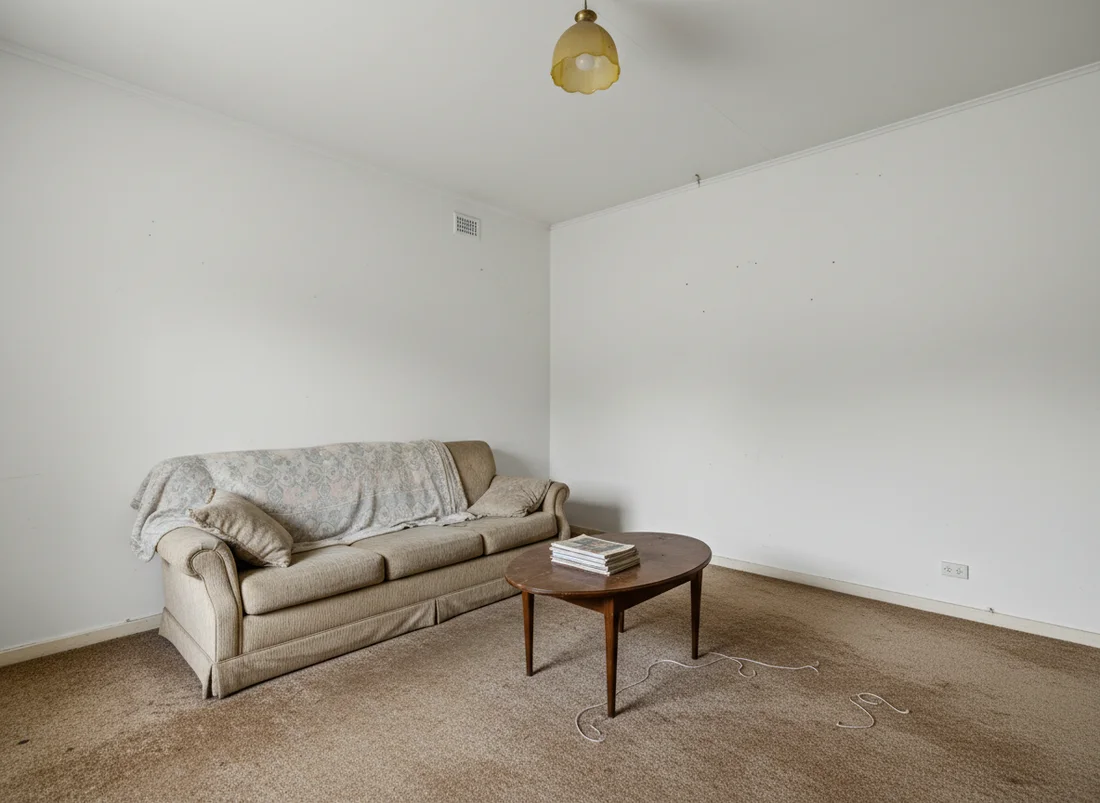 Before
See it on your own room
Your room, redesigned
Upload one photo and watch your room restyled in a wide range of designer looks. Your walls, windows and layout stay exactly as they are.
Try virtual stagingOne photo. In seconds. No signup.