restylai blog
Airbnb Interior Design: Ideas, Styles and Costs (2026)
Updated July 19, 2026 · by the restylai team
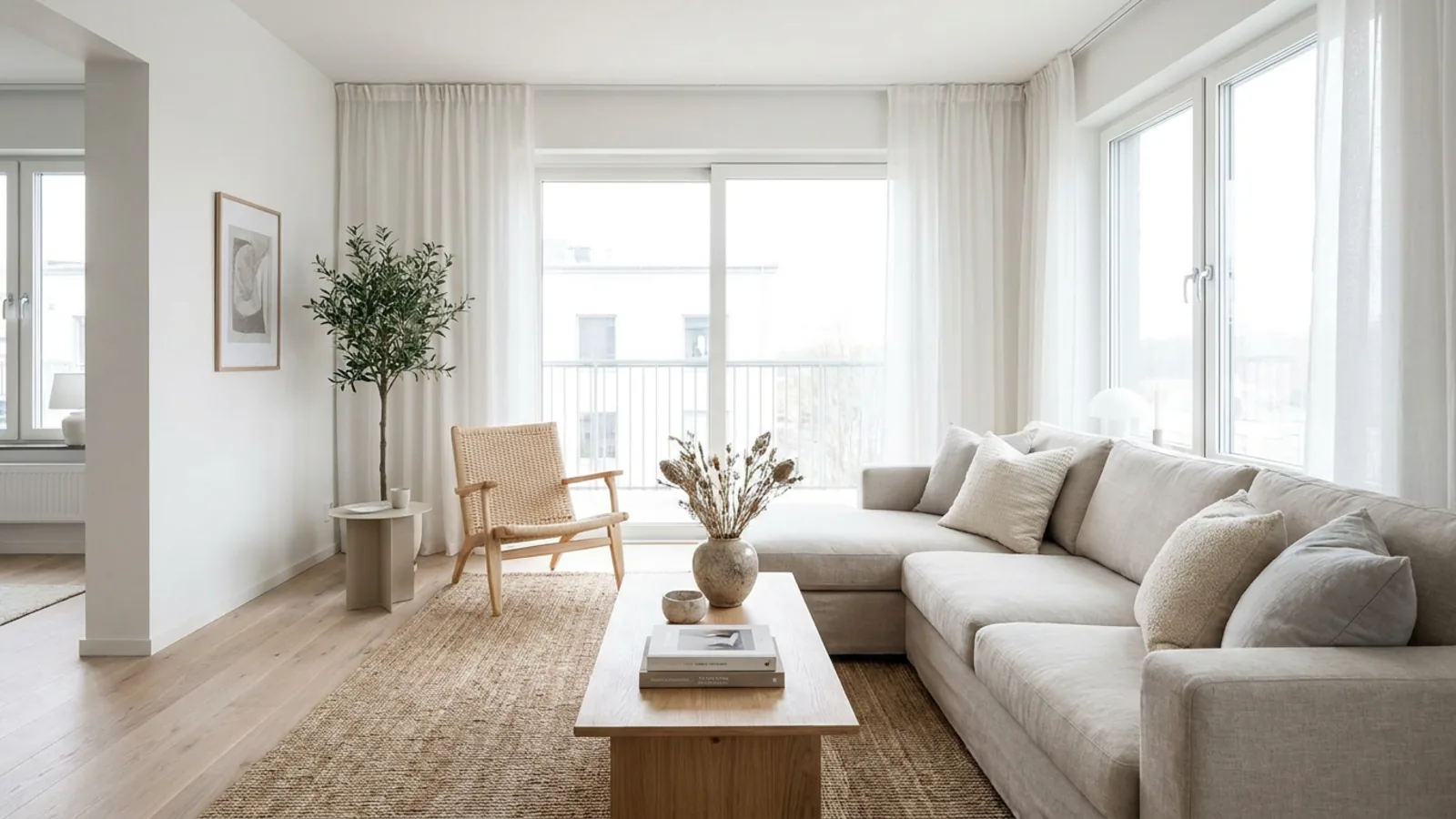
A short-term rental lives or dies by one photo. Before anyone reads the description, checks the price, or scans the reviews, they see a single cover image the size of a playing card, and they decide in about a second whether to click. That makes interior design the highest-leverage thing about a listing, not decoration you add at the end.
The good news is that the same choices that make a room photograph well also make it a nicer place to stay: light, calm, one clear style, and a memorable detail or two. This guide covers how to style a rental that reads clearly in a thumbnail and books more nights, from picking a style and working room by room to what it costs, the mistakes to avoid, and how to preview the whole look on a photo before you spend anything.
Why interior design decides Airbnb bookings
Most advice treats decorating a rental as the finishing touch. In practice it is the marketing. The cover photo is the ad, the thumbnail is the first impression, and the styling is what the guest is actually shopping for when they compare ten similar listings in the same area. A tired, dim, cluttered room loses the click before its price or location ever gets a chance.
Design is a booking lever for three reasons. It sets the perceived value, so a clean, considered space can justify a higher nightly rate than a generic one. It builds trust, because a listing that looks cared for signals a stay that will be cared for too. And it creates the recognizable look that turns a scroll into a saved listing. None of this requires a big budget, it requires intent: a clear direction carried consistently through the space, shot in good light. The rest of this guide is how to get there, and how to see it before you commit to it.
Design for the thumbnail, not just the room
 Before
Restyled
Before
Restyled
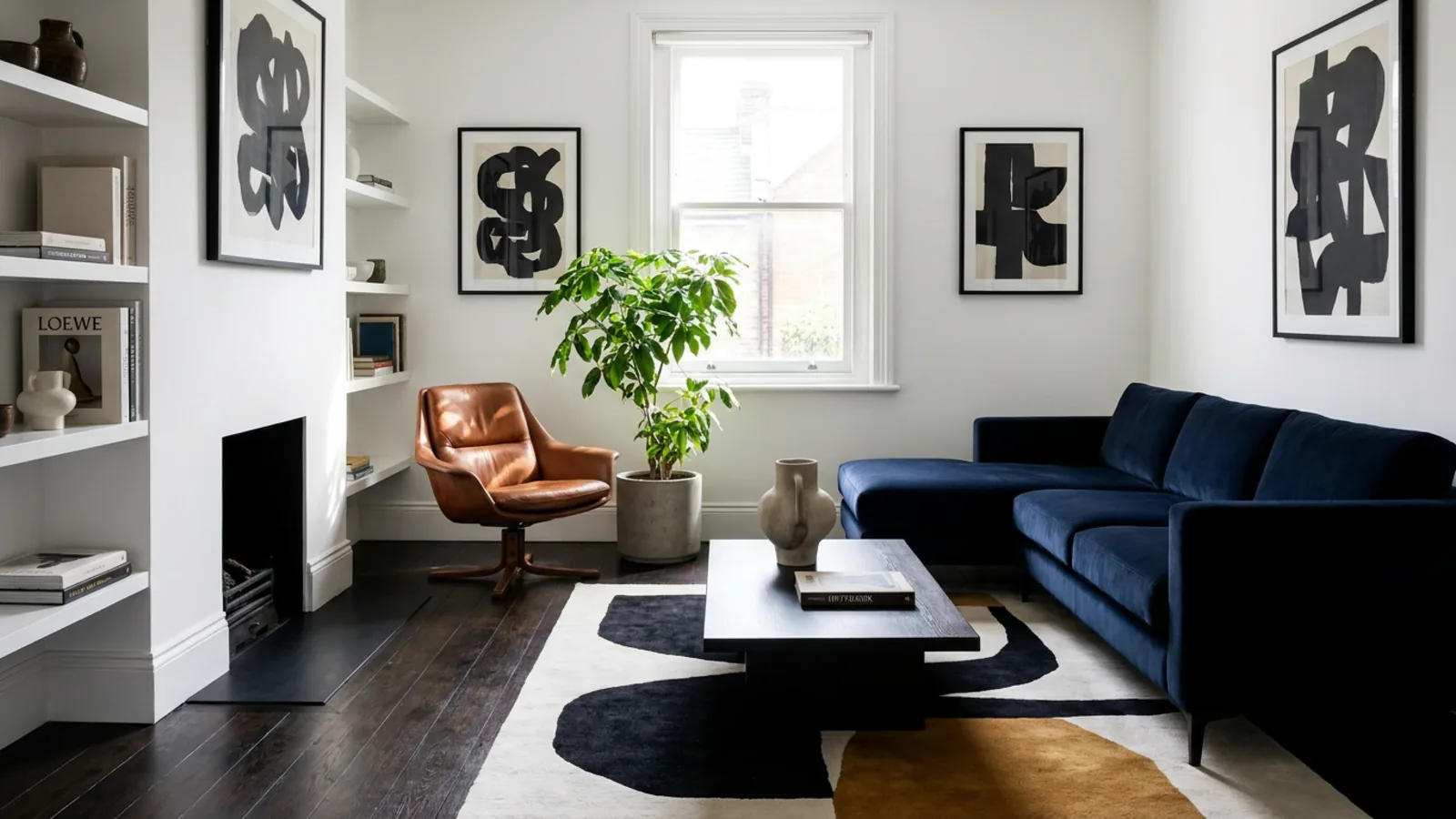
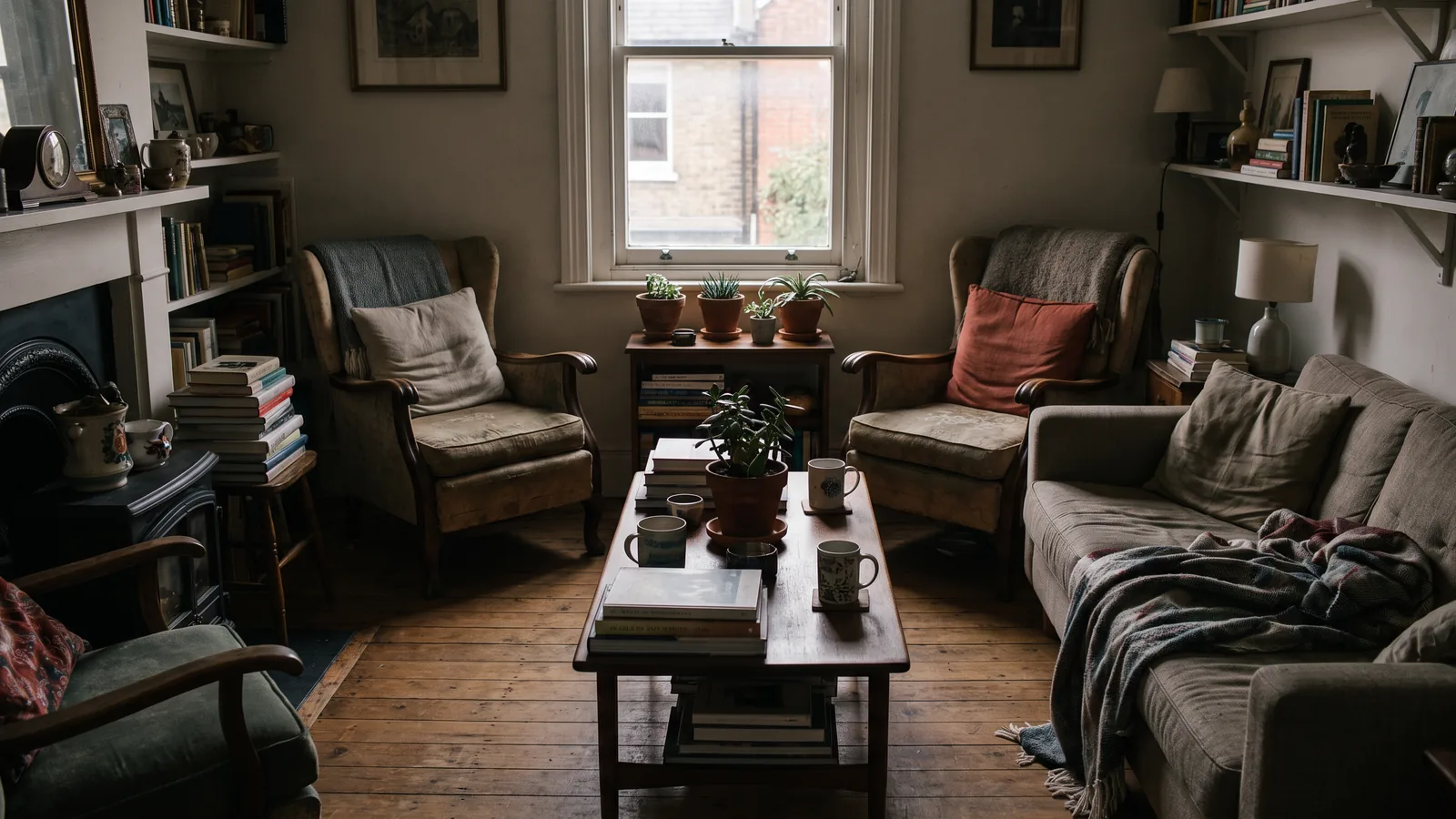
This is the point almost every styling guide misses. Your room will most often be seen at the size of a postage stamp, in a grid of competitors, on a phone. Fine detail disappears at that scale. What survives the shrink is big simple shapes, strong contrast, clear negative space, and a single confident focal point. A room that is beautiful in person but busy and low-contrast can read as noise in the grid.
So design for the shrink. Aim for a clean composition with one hero element, a bold sofa, a striking bed, a bright window, and let the space around it breathe. High contrast reads at any size: a dark piece against a light wall, a warm rug on a pale floor. Clear the surfaces that turn into visual clutter when shrunk. A simple test settles it: shrink your best photo to thumbnail size on your phone and look at it in a grid of other listings. If it holds up small, it will hold up everywhere, and that is the version worth styling toward.
Pick one style and match it to the property and location
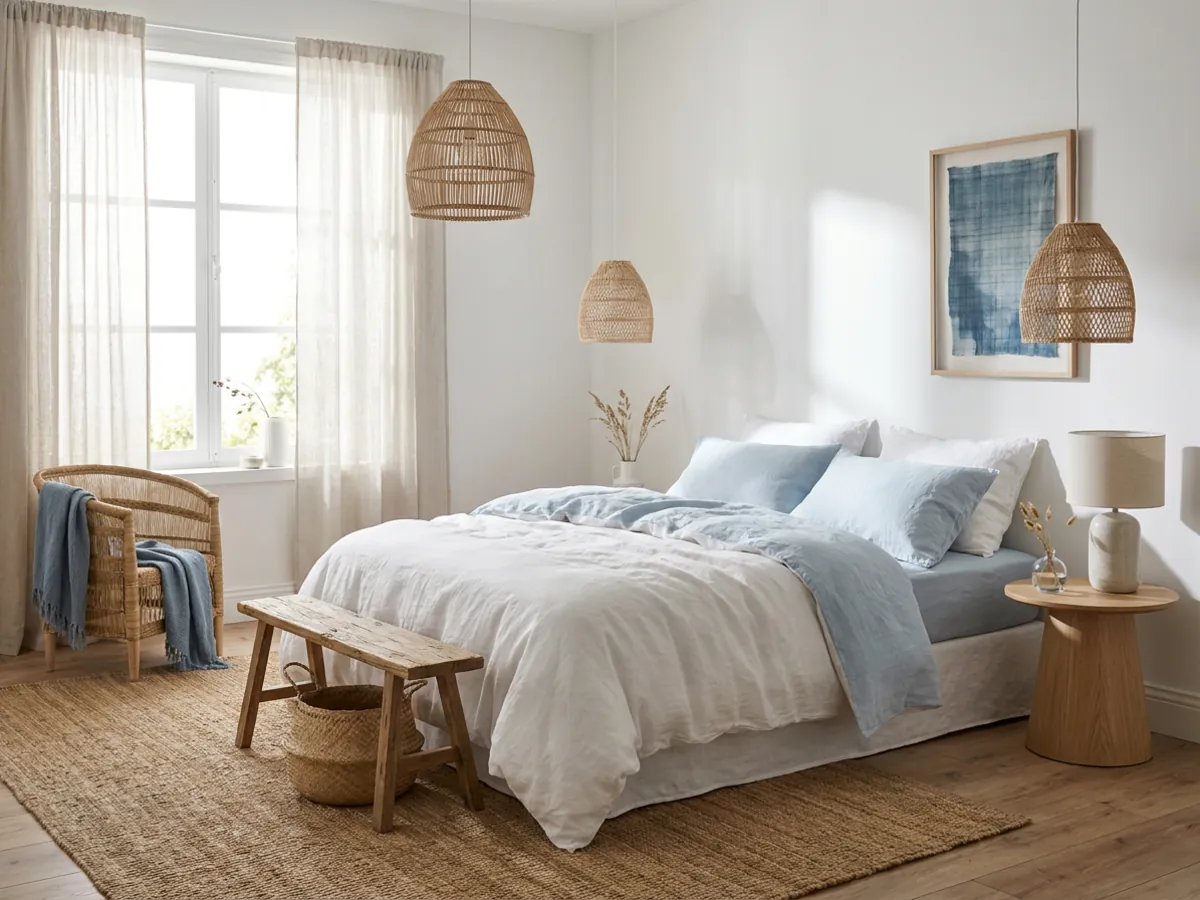
The most common mistake in rental styling is mixing three styles at once, which reads as no style at all. Pick one confident direction and carry it through every room. A listing that looks like one coherent place is more memorable, more trustworthy, and far easier to photograph than a patchwork.
Choose the style to fit the property and its location, so the space feels like it belongs where it is. A city apartment tends to suit modern or Scandinavian: clean lines, pale wood, uncluttered surfaces. A coastal home wants light and airy: white walls, natural woven textures, and soft blue or sand accents. A cabin or country place suits warm rustic or Japandi, with natural materials and a calm, grounded palette. Matching the style to the setting is what makes a guest feel they have arrived somewhere specific rather than a generic rental.
A few more common cases follow the same logic. A period or heritage property is usually strongest when the styling respects its original features rather than fighting them, letting modern comfort sit inside the character that made the place worth booking. A small studio wants light, multi-functional, and visually calm, so it photographs as bigger than it is. And a family-sized home benefits from being styled as practical and durable rather than precious, since that is what its guests are actually looking for. In every case the rule holds: let the property and its location choose the style, then commit to it fully rather than hedging across three looks at once.
For direction, it helps to see a finished room in the style you are considering before you commit. Explore a coastal living room or a Japandi bedroom for a clear reference, and if a room is empty you can stage it from a single photo to test the look before furnishing.
Style it room by room
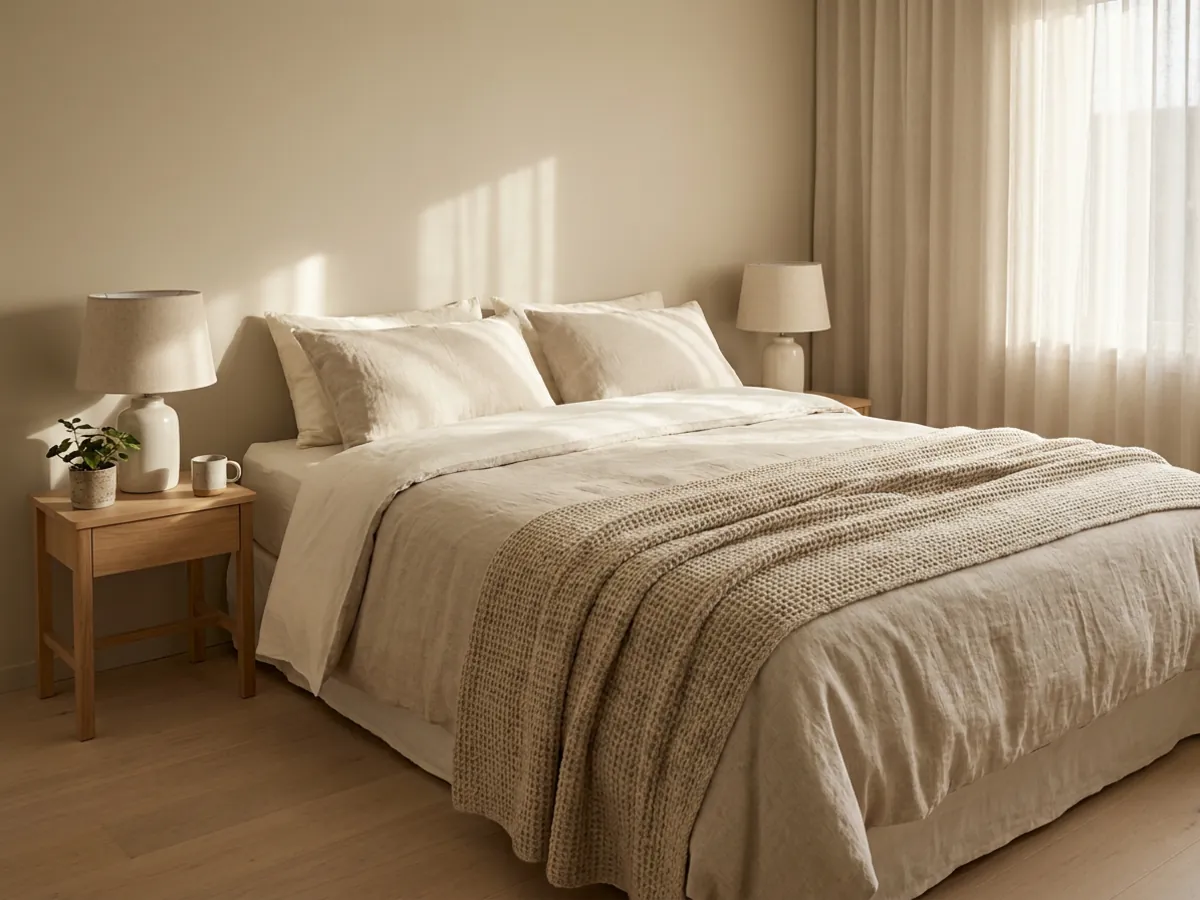
A confident style still has to be executed room by room, and each room has a different job to do in the listing.
Living area: make it the star
This is usually the cover photo, so it earns the most attention. Anchor it with one comfortable, good-looking sofa, keep the coffee table clear, add a rug to ground the seating, and let a window do the lighting. It should read as an inviting place to actually spend an evening.
Bedroom: build it around a genuinely comfortable bed
Guests remember the bed above everything. Style it around real comfort: quality bedding, a proper headboard, two symmetrical bedside lamps, and uncluttered surfaces for a hotel-clean feel. You can design the bedroom around the bed before you buy a single piece.
Kitchen: clean, functional, and clear
A rental kitchen sells on cleanliness and function, not on trend. Clear the counters, add a few warm touches, and make sure it photographs as bright and usable. If it feels dated, you can restyle the kitchen to preview a refresh before committing to one.
Bathroom, workspace, and outdoors
A bathroom should read hotel-clean: crisp towels, clear surfaces, good light. A small dedicated workspace, even a corner desk, wins the growing share of guests who work while they travel. And any outdoor space, a balcony or a patio, deserves the same styling as a room, because it is often the detail that closes the booking.
What it costs to style and furnish a short-term rental
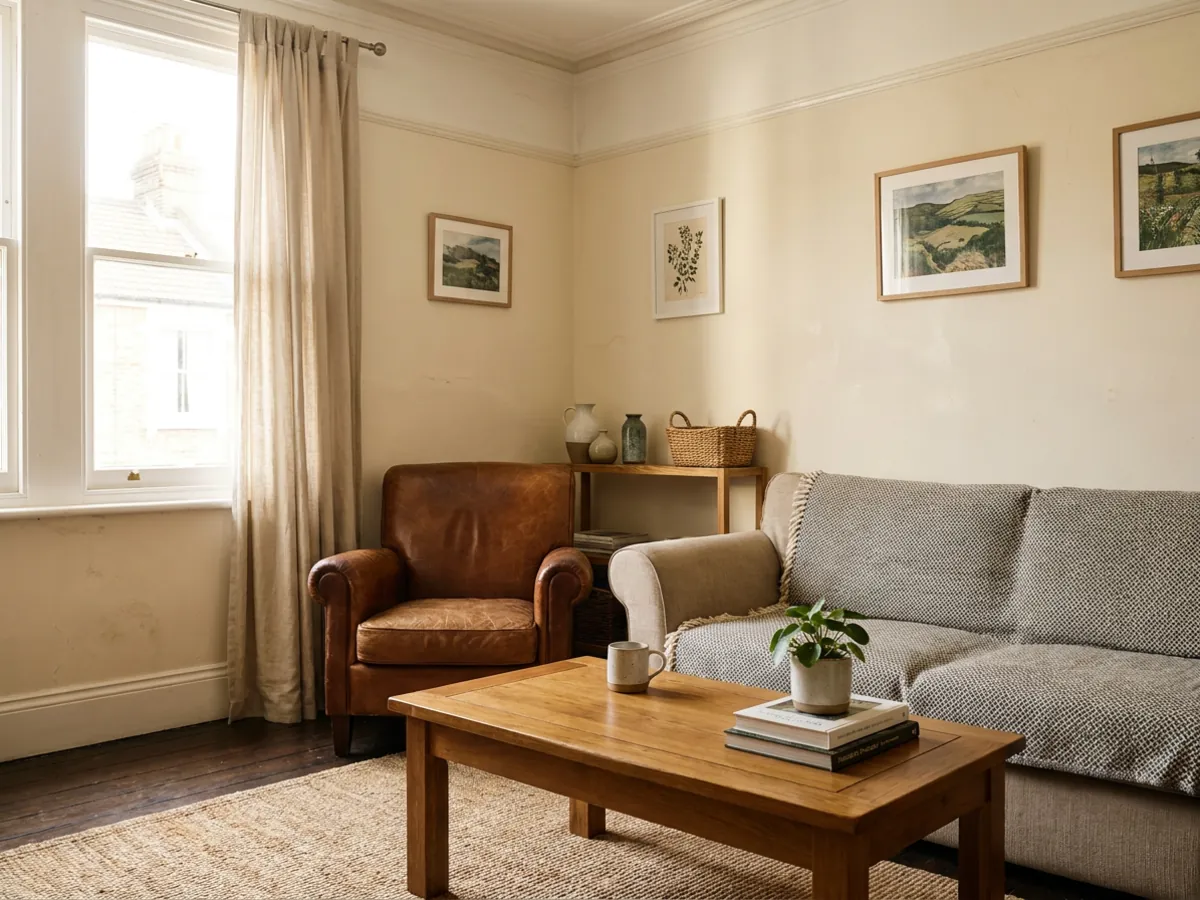
Cost is the question most styling guides skip, so here is the honest shape of it. There are three broad routes. Styling a space you have already furnished, swapping accessories, textiles, and lighting to lift what is there, is the cheapest and can transform how a room photographs. Furnishing an empty rental from scratch is the big number, and commonly cited ranges run from a few thousand for a modest one-bedroom up into the tens of thousands for a large, premium property. Hiring an interior designer sits on top of that, typically quoted by the hour or as a project fee, in exchange for their time and trade sourcing.
Where the money goes matters as much as the total. The pieces guests actually touch and remember, the bed and the sofa above all, are worth the largest share of the budget, because comfort shows up directly in reviews. Lighting, textiles, rugs, and art do a disproportionate amount of the styling work for a small fraction of the cost, and they are the cheapest way to lift a room that photographs flat. The furniture that only fills space can be the most economical of all. Budget also scales with property size, so a studio and a four-bedroom sit at very different points on that range.
Whichever route you take, the expensive mistake is the same: buying furniture that looks wrong once it is in the room. A sofa that dominates the space, a color that fights the floor, a bed that swamps a small bedroom. That is exactly the risk a preview removes, because seeing the pieces in the actual room first is far cheaper than returning them. It is worth comparing the interior design software that lets you test looks before buying, and for the staging-specific numbers, see what virtual staging costs. Spend the budget on the pieces you have already seen working in the space.
Warm, bright, and built to last beats trendy and dark
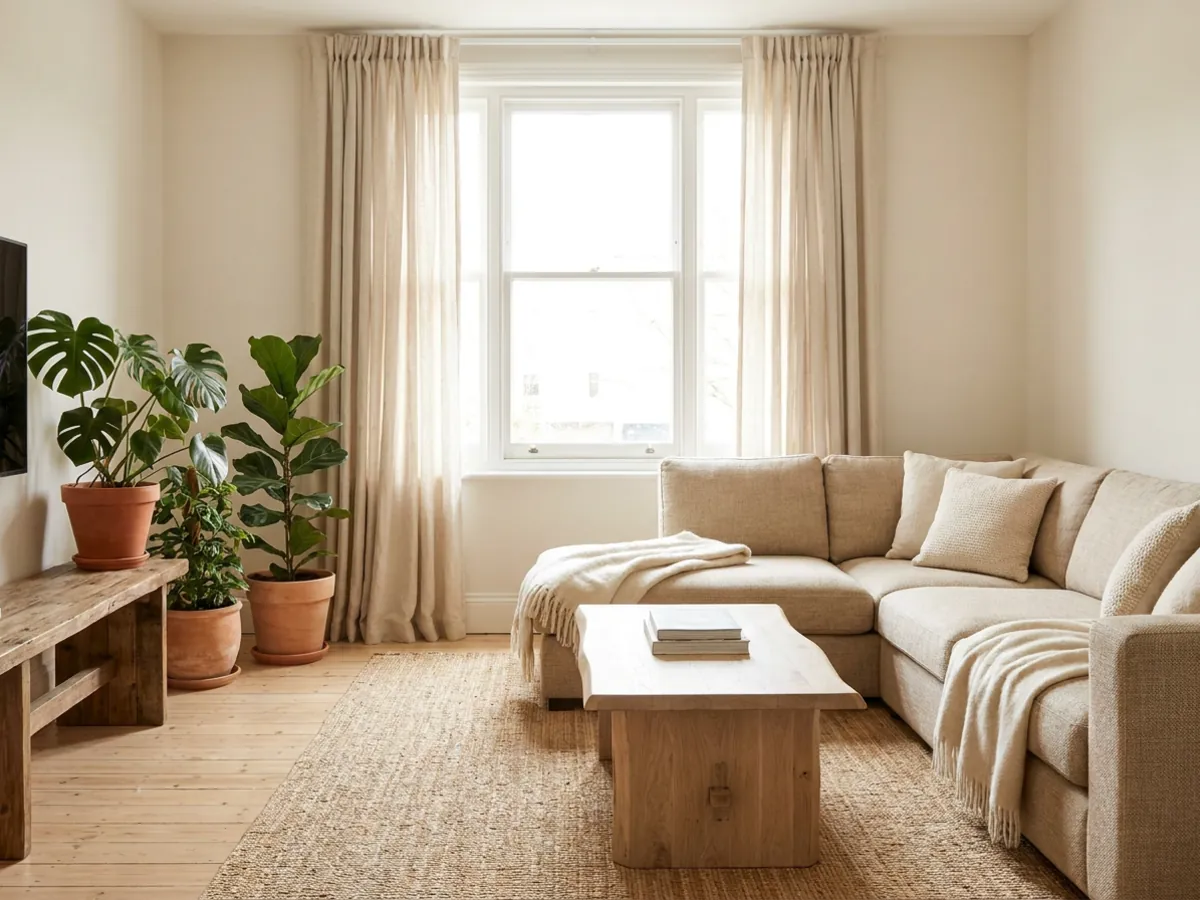
Two forces should shape the palette and the materials: how the room photographs, and how it survives guests. Happily they point the same way. Warm neutrals and pale woods with plenty of light photograph as clean, calm, and inviting, which is what most travelers are shopping for. Dark, moody schemes can look striking in person and then read as dim and small in a thumbnail, which is the opposite of what a listing needs.
Durability matters just as much, because a rental turns over constantly. Forgiving, hard-wearing materials, performance upholstery, rugs that hide wear, surfaces that wipe clean, keep the space looking good through heavy use, so the styling you invested in still photographs well a year later. Trendy-but-fragile is a false economy in a rental: it looks dated and worn fast. Warm, bright, and built to last is the combination that keeps both the guests and the camera happy over time.
Add one memorable moment guests screenshot
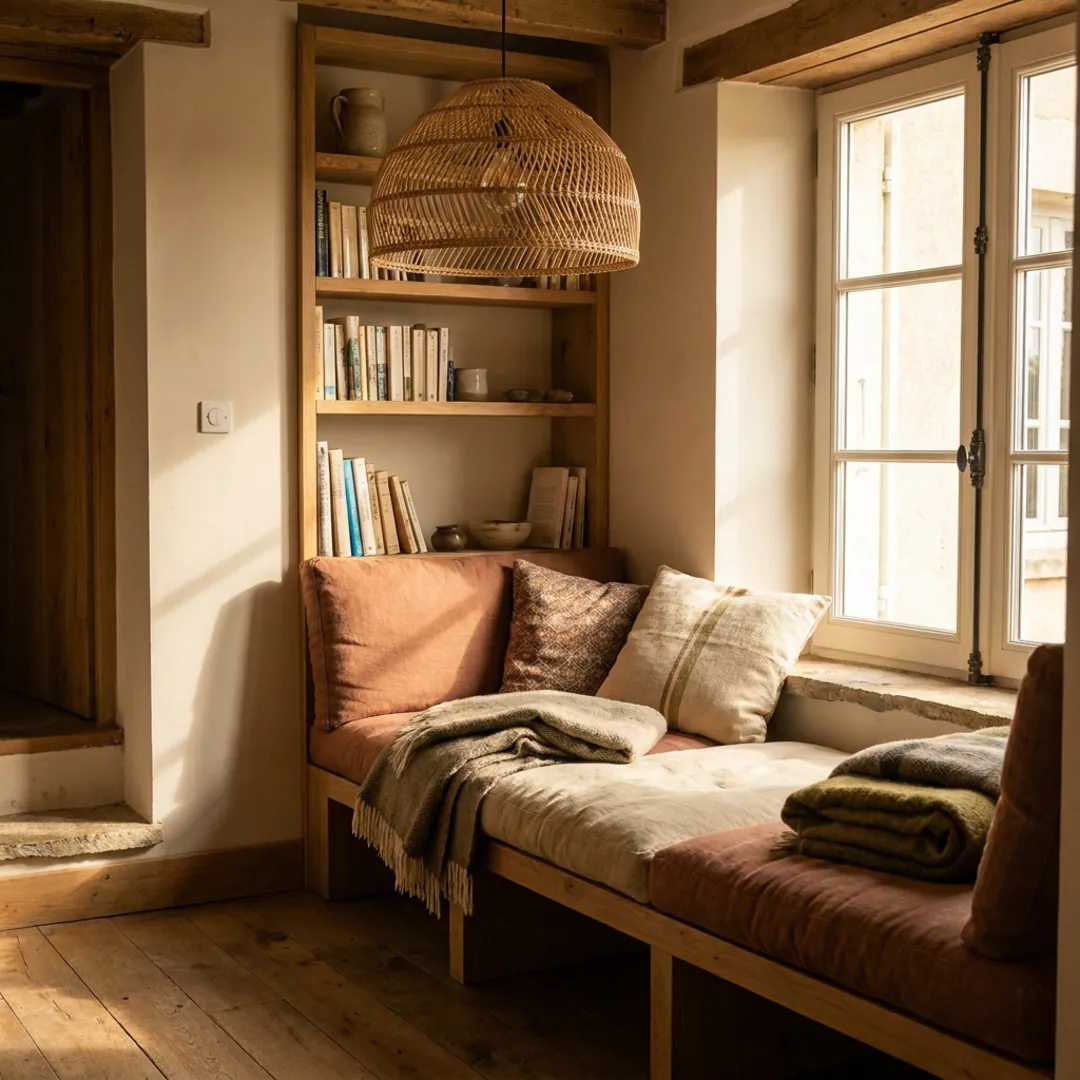
Clean and consistent gets the click; one memorable moment gets the listing saved and shared. A single signature detail gives the space a recognizable identity and something for a guest to photograph and post, which is free marketing. It does not have to be expensive, just intentional.
Think of one moment per listing: a window reading nook with a built-in bench and a striking pendant, a bold headboard that anchors the bedroom, a wall of framed local art or photography, or a single dramatic light fixture over the table. Give that moment room to stand out and let the rest of the space stay calm around it. That is the difference between a listing a guest scrolls past and one they remember well enough to book.
Preview the whole look before you spend anything
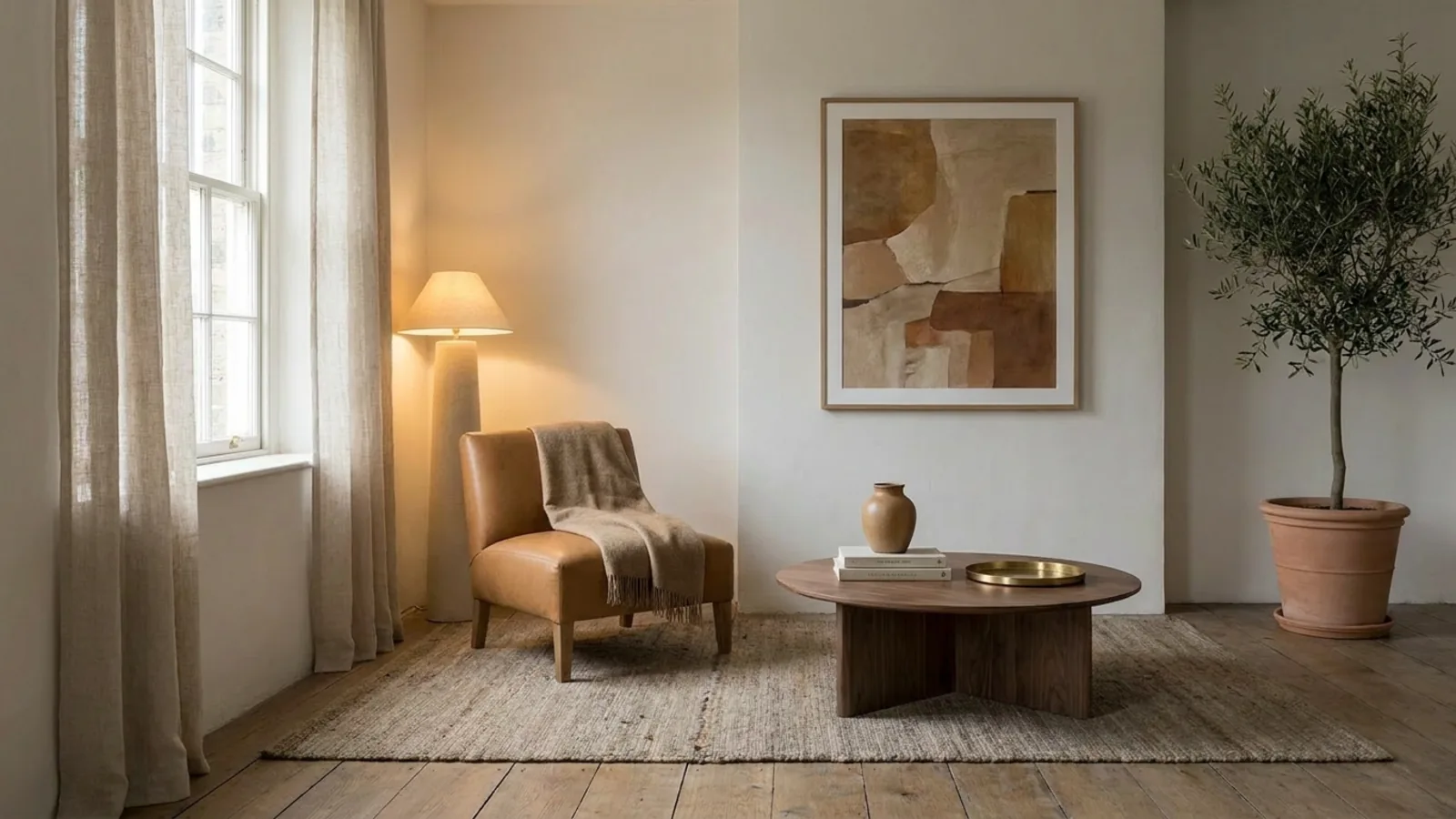
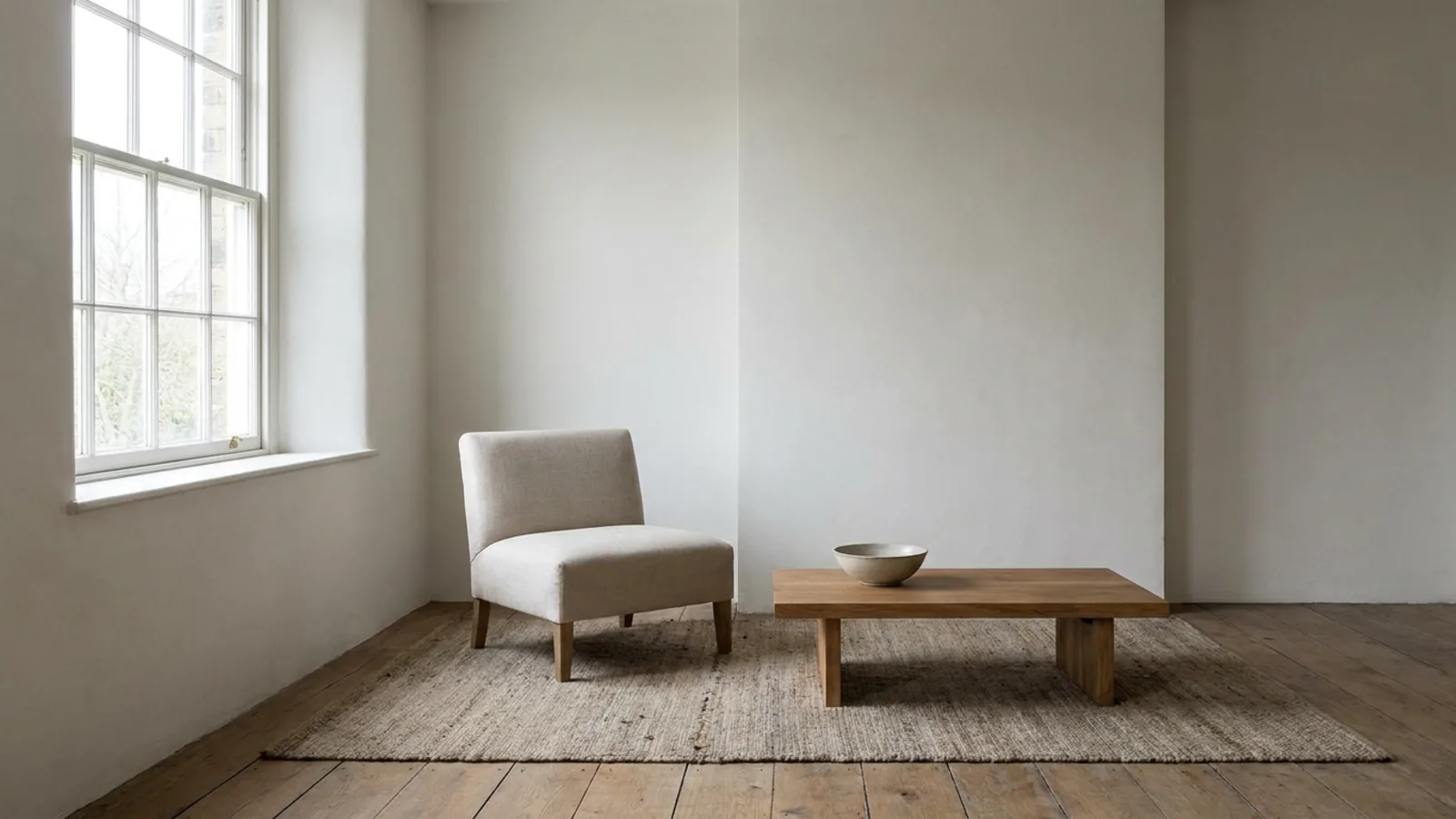 Before
Restyled
Before
Restyled
Everything above is a set of decisions, and every one of them is cheaper to make on a photo than in a furniture store. The workflow is simple. Photograph the room in good daylight, wide and level so the whole space shows. Test several styles on that photo and compare them side by side. Then either buy toward the winning direction, or use the render itself to plan the layout and the pieces. Seeing the finished look first is what turns styling from a gamble into a plan.
This is the step that ties the whole guide together: pick a style and see it on your actual room, style a bedroom around a bed before buying the bed, test a warm palette against a dark one at thumbnail size. You can see how AI room design works from a photo, redesign the room into a new look, or plan the layout before anything is delivered. One honest note on using renders: use them to plan and to show a style, keep the published listing photos true to the actual space, and disclose any staged images so guests are never misled. For sharpening the real photos you do publish, see fixing listing photos with AI.
Common Airbnb design mistakes to avoid
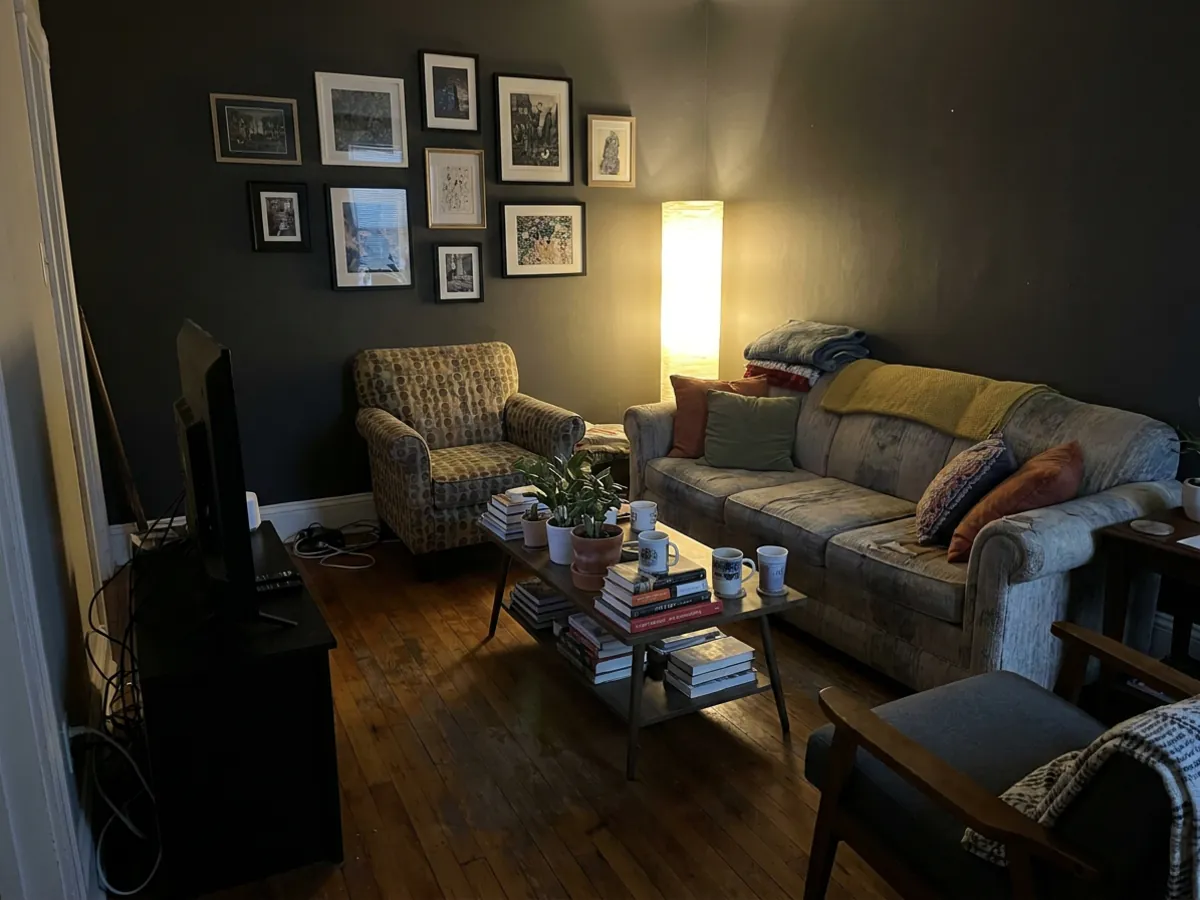
Most rental-styling misses come down to the same handful of avoidable errors:
- Over-personal or over-cluttered rooms. A rental should feel welcoming and neutral enough for anyone to picture their stay, not full of one person's specific taste and knick-knacks.
- Dark, moody schemes that photograph poorly. They shrink to dim and small in a thumbnail. Bright and warm wins the click.
- Style that ignores the property and location. A trend-chasing look that has nothing to do with where the place is feels generic and forgettable.
- Trendy but uncomfortable furniture. Guests remember an uncomfortable bed or sofa in their review. Comfort first, always.
- Photos that do not match reality. Overselling with misleading images leads to disappointed guests and worse reviews. Style the real space, then photograph it honestly.
Avoid these five and you are ahead of most of the grid. The common thread is simple: style for the guest and the camera, keep it honest, and see it before you spend.
See your rental restyled before you buy anything
The fastest way to make every decision in this guide is to look at it first. Upload any room photo and see it restyled into the style you are considering, then style toward the version that photographs best. The first render is free with no signup, and unlimited renders with clean HD downloads come with a subscription. Upload a room photo and see it restyled.
Frequently asked questions
What is the best interior design style for an Airbnb? +
One clear, warm, photographable style that fits the property and location. Scandinavian, coastal, and Japandi read well in thumbnails, but the best choice is the one you commit to across the whole space, because a listing that looks like one coherent place is more memorable and easier to photograph than a patchwork.
How much does it cost to furnish an Airbnb? +
Commonly cited ranges run from a few thousand for a modest one-bedroom up into the tens of thousands for a large, premium property, with hiring a designer adding a per-hour or per-project fee on top. Styling a space you have already furnished is far cheaper, and testing looks on a photo first reduces the risk of buying furniture that does not work in the room.
Do better photos actually get more Airbnb bookings? +
The cover photo is what a guest sees before they click, in a grid of competing listings, so a clean, bright, well-styled first image is one of the highest-leverage things you can improve. Design for how the room reads at thumbnail size, not just in person.
Should I hire an interior designer for my Airbnb? +
You can, and designer rates are commonly quoted per hour or per project. Many people style it themselves instead by picking one style, keeping each room simple, and previewing the look on a photo before buying, which removes most of the risk that a designer is paid to manage.
Can I preview a new look before buying furniture? +
Yes. Upload a room photo and restyle it into different looks to compare directions before you spend anything. The first render is free, so you can settle on a style and see it on your actual room first.
What colors work best for Airbnb interiors? +
Warm neutrals and pale woods with plenty of light photograph as clean and calm, which is what most travelers want to book. Dark, moody schemes can look striking in person but often read as dim and small in a thumbnail.
Is it okay to use AI-staged photos on my listing? +
Use them to plan and to show a finished style, keep the published listing photos true to the actual space, and disclose staged images so guests are not misled. Renders are a planning and styling tool, not a replacement for honest listing photography.
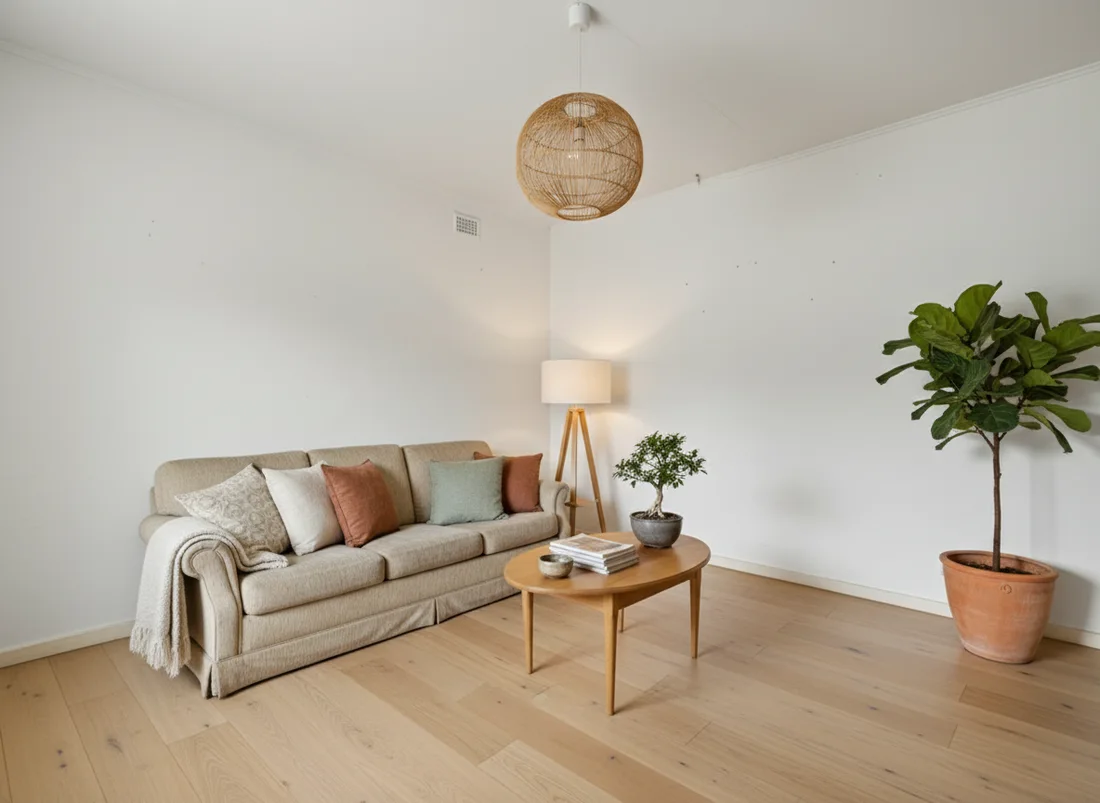 After
After
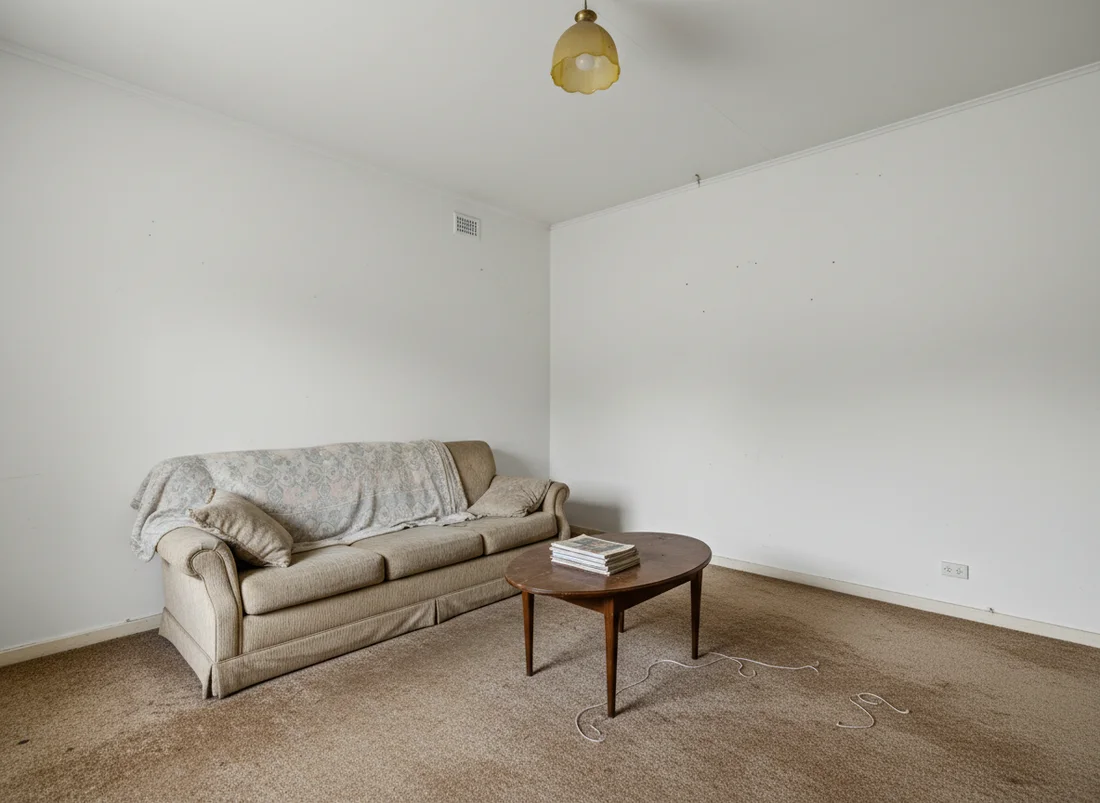 Before
See it on your own room
Your room, redesigned
Upload one photo and watch your room restyled in a wide range of designer looks. Your walls, windows and layout stay exactly as they are.
Try it free, no signupOne photo. In seconds. No signup.